Overview of 1009 - Sideshow Bob Ritchie feat. Alex Nichols (2/9/26)
This episode of Chapo Trap House (hosts: Felix and Alex Nichols) is a freewheeling, comedic-but-polemic rundown of the prior weekend's culture wars: the Super Bowl halftime split between Bad Bunny and a TPUSA-organized “All‑American Halftime” headlined by Kid Rock; Robert Kraft’s “Blue Square” Super Bowl ad and the backlash to it; and the continuing fallout from the Jeffrey Epstein files and what they reveal about elites, media narratives, and accountability. The tone is satirical, sarcastic and conversational—mixing live commentary, persona riffs (Sideshow Bob / “Bob Ritchie”), and cultural critique.
Episode structure & guests
- Hosts: Felix (primary storyteller) and Alex Nichols (guest/co-host for this episode).
- Format: topical conversation interspersed with long-form riffs, satire, and media critique.
- Running themes: conservative culture-production vs. mainstream/popular culture, elite immunity, media framing.
Main topics discussed
- TPUSA “All‑American Halftime” (Kid Rock + country openers)
- Felix was at the event and provides a blow-by-blow: weak openers (Brantley Gilbert, Lee Brice, Gabby Barrett), lip‑syncing/mic issues, and the general flaccid quality of the production.
- Kid Rock’s identity shift (stage persona vs. “Bob Ritchie”) and the broader embarrassment of an attempted right‑wing parallel culture scene.
- Super Bowl mainstream halftime (Bad Bunny) as contrast
- The hosts frame the two halves as emblematic of a broader culture clash (authentic, popular Latinx performance vs. phony conservative spectacle).
- TPUSA’s contradictions and the conservative culture strategy
- Discussion of conservative attempts to manufacture pop culture alternatives, their inability to attract mainstream artists, and the performative nature of many right‑leaning cultural initiatives.
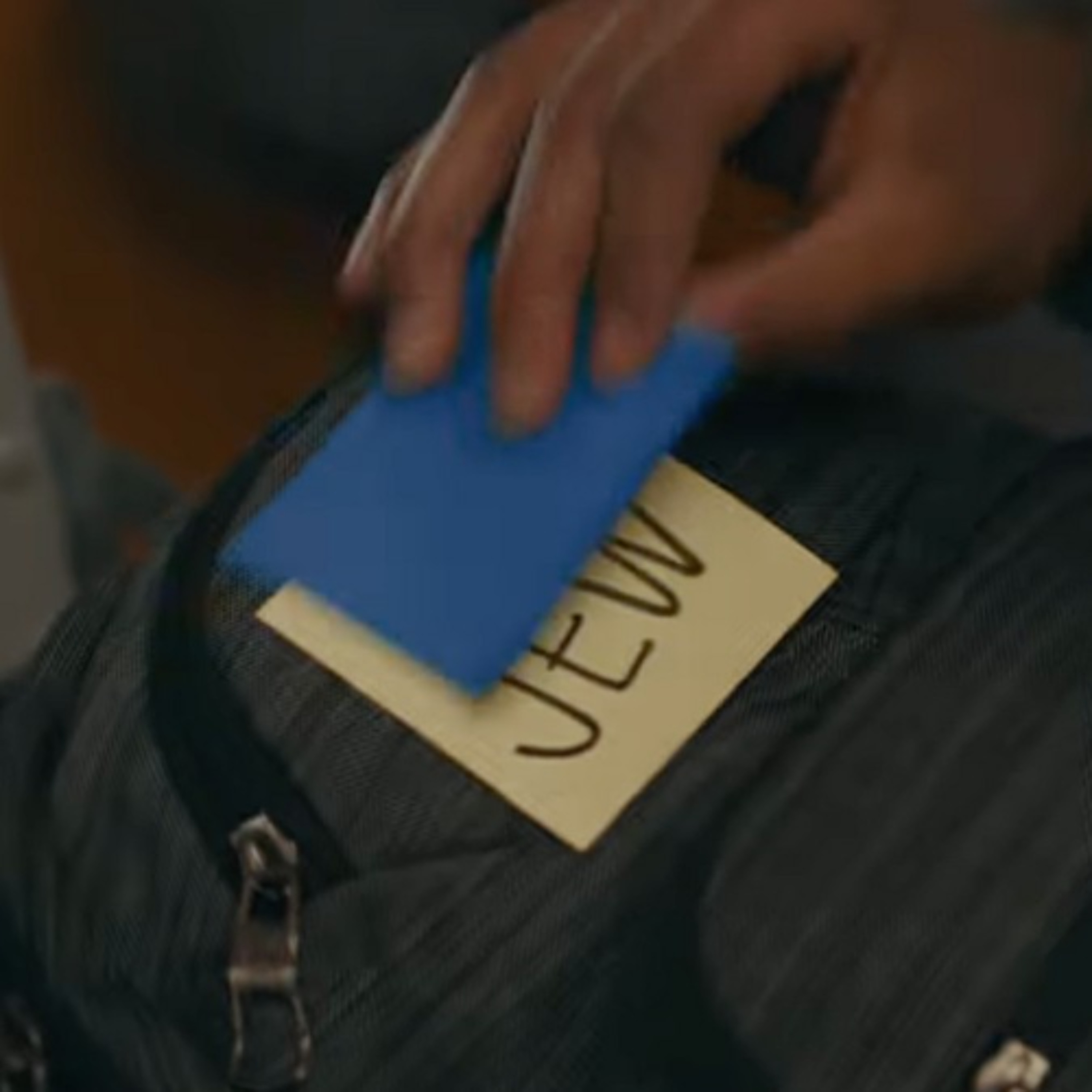
- Robert Kraft’s “Blue Square” anti‑antisemitism Super Bowl ad
- Description of the ad’s narrative (post‑it over “dirty Jew” on a backpack) and criticism from Tablet/Leo Leibovitz for being out of step with current Zionist messaging and tone.
- Debate over whether the ad is sincere, outmoded, or counterproductive in the current political moment.
- Epstein files and media framing
- How Europe (resignations, possible governmental consequences) is responding vs. the U.S. response.
- Review and critique of media takes (Megan McArdle, The Atlantic): skeptical/mitigating readings vs. calls for accountability.
- Broader questions about elites, proximity to power, and reputational consequences for people named in the files.
- Recurring comedic riffs and cultural asides
- Slytherin, Krav Maga, Woody Allen/Garrison Keillor fantasies for TPUSA, “We are Charlie Kirk” parody, and other satirical images.
Key takeaways
- TPUSA’s halftime show was underwhelming and highlighted the limits of the right’s attempt to build an appealing alternative pop culture: familiar faces (Kid Rock) plus low-level country openers didn’t land.
- The Bad Bunny halftime vs. TPUSA spectacle crystallizes the cultural-war contradiction: conservatives want the cultural cachet of popular music but reject the aesthetics/attitudes that produce mainstream artists.
- Robert Kraft’s Blue Square ad is seen as tone‑deaf and anachronistic by some on the pro‑Israel/Zionist right; the hosts argue it feels like a pre‑October‑7th liberalism and thus misses contemporary political emotions.
- The Epstein files continue to complicate how elites are treated: in Europe, handling seems likelier to produce resignations; in the U.S., media commentary often frames named associations as ambiguous rather than damning—hosts reject that equivocation and insist proximity to Epstein deserved greater moral scrutiny.
- A broader cultural critique: elites and media outlets often deploy moral double standards—defensive toward powerful people while policing everyday speech and behavior among less powerful groups.
Notable quotes & riffs
- Felix (on TPUSA halftime): “Immediately after it was done, I started hitting my frontal lobe with a hammer to forget any Spanish I may have ever known.”
- On Kid Rock/Bob Ritchie: critique of a performer who’s moved from rap‑rock party persona to a watered‑down generic country act—“Why do you want to hear this guy do a shittier version of Zach Bryan when Zach Bryan exists?”
- On Robert Kraft’s ad (paraphrasing critics): the ad reads like an “outmoded” anti‑bigotry PSA—politically tone‑deaf for current dynamics.
- On Epstein files/media responses: “If you’re that wealthy, people should be suspicious of you”—hosts stress moral responsibility and reputational consequences for elites.
- Recurring comedic refrain/closing parody: “We are Charlie Kirk” (satirical chant mixing English and Spanish).
Episode highlights & moments to watch/listen for
- Felix’s on‑the‑ground breakdown of the TPUSA halftime (earlier in the episode) — vivid, detailed, and sardonic.
- The long critique of Tablet/Leo Leibovitz’s takedown of Robert Kraft’s ad — useful for understanding intra‑community disputes about messaging.
- The extended Epstein-files segment — a sustained argument against shrugging off elite association and the media’s ethic of mitigation.
Suggested follow‑ups / links to check
- Watch clips of the TPUSA “All‑American Halftime” (Kid Rock and the openers) and Bad Bunny’s Super Bowl set to compare.
- Robert Kraft / Blue Square ad and Tablet (Leo Leibovitz) critique for full context.
- Recent reporting on resignations/official fallout connected to the Epstein file revelations in Europe (UK, Norway examples mentioned).
- Atlantic and Megan McArdle pieces referenced (to read the skeptical/mitigating takes that the episode rebuts).
Closing notes
- Tone of the episode: comedic and scathing—Chapo’s standard mix of cultural lampooning and political critique.
- Final practical: hosts plug the Chapo 10th anniversary/LA show (April 3rd) and remind listeners to check episode description for ticket links.