Overview of 1003 - Bored of Peace (Chapo Trap House) — feat. Derek Davison (1/19/2026)
This episode brings back Derek Davison (Foreign Exchanges / American Prestige) to run a rapid, wide-ranging world roundup. Hosts (Felix and co-host) and Derek discuss recent hot items in geopolitics: Trump’s Greenland messaging and the odd “Board of Peace” project; shifting transatlantic dynamics; Canada-China economic moves; the buying of a suspected “Havana syndrome” device by the Pentagon; the evolving Iran protests and sanctions context; the collapse of Kurdish autonomy (Rojava / SDF) in Syria; and the broader critique of U.S. foreign-policy institutions and empire. The conversation mixes policy analysis, on-the-ground updates, skepticism of U.S. intervention, and sharp political commentary.
Key topics discussed
-
Trump and Greenland
- A leaked Trump letter to a Scandinavian leader demanding consideration of U.S. "control" of Greenland. Hosts debate seriousness, motives (bullying, symbolism, resource talk dismissed), and the political-psychology behind it.
- Greenland is formally part of the Danish realm; many Greenlanders prefer independence but not U.S. annexation. Recent protests in Nuuk against U.S. takeover proposals.
-
Board of Peace
- Originally pitched as part of a Gaza ceasefire package; has morphed into a broader, vague international body.
- Membership model reportedly includes three-year seats and an option to “buy” permanent membership for $1B. Critics characterize it as a Trump-controlled, ad‑hoc alternative to the UN.
-
Europe, NATO, and great-power posture
- Discussion of European leaders’ relations with Trump’s U.S. (kowtowing vs. provoking his ire).
- Canada’s recent trade/deal posture toward China noted (Carney era), contrasted with European deference.
- Short discussion of the UK’s Trident/SLBM dependency on U.S. components and the sovereignty implications.
-
Iran: protests, sanctions, and stability
- Background: renewed protests sparked by economic collapse aggravated by sanctions, corruption, mismanagement.
- The snapback of nuclear-era UN sanctions (UK/France/Germany move) precipitated a sharp rial collapse and intensified grievances.
- Casualty reporting: Human rights NGOs estimate thousands killed (3–4k+). Khamenei acknowledged “thousands” dead in his address.
- Government response: communications blackout, heavy crackdowns; early attempts at concessions failed (minor cash supplements).
- Big themes: protests cyclical and unfocused; sanctions create structural limits on any government solution; regime durability but long-term unsustainability; uncertain succession after Khamenei.
-
Syria and the fall of Rojava / SDF position
- March agreement to integrate SDF into Syrian state stalled; negotiations broke down.
- Renewed conflict: Syrian government offensive pushed SDF out of parts of Aleppo and then across the Euphrates; many Arab tribes switched allegiance to Damascus.
- Result: effective end of Syrian Kurdish semi‑autonomy in the northeast, fighters to be integrated individually (not as cohesive units).
- Prison risk: reports of IS prisoners escaping amid fighting; fluid ceasefire/more fighting followed as the recording updated.
-
Havana syndrome device purchase
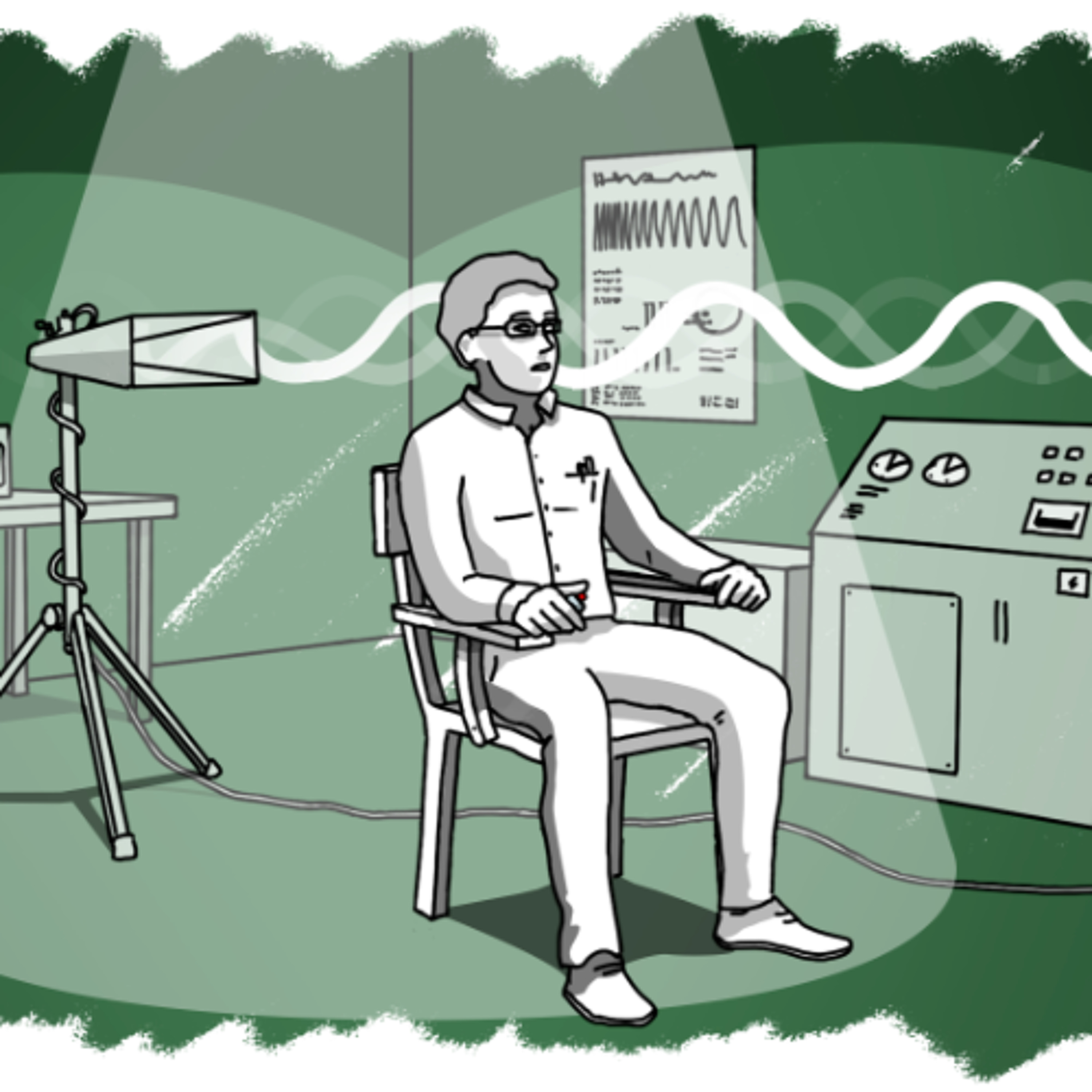
- Pentagon/Homeland Security Investigations reportedly bought a device with Russian components (eight-figure purchase) suspected to be linked to “Havana syndrome.”
- The hosts express skepticism and demand transparency (“show the device”), but acknowledge official attention suggests something is being pursued.
Main takeaways / analysis
- Trump’s Greenland thrust is primarily political/bullying theater rather than a rational security need; yet it functions as a test of boundary‑pushing and a symbol of revanchist/imperial politics.
- Europe’s inconsistent posture (groveling + occasional pushback) is strategically incoherent and encourages erratic U.S. behavior; smaller states like Canada are testing alternative economic relationships (e.g., China).
- Iran’s protests are rooted in deep economic pain (sanctions + internal corruption). Large casualty estimates and Khamenei’s own admission undermine narratives that the government faces only a short-term hiccup — but no clear opposition alternative exists yet.
- The SDF/Rojava collapse underscores the limits of relying on U.S. protection for local proxies; regional and tribal dynamics can rapidly realign and erase fragile autonomous arrangements.
- The reported Pentagon purchase of a device tied to anomalous health incidents signals official investment in investigating Havana syndrome claims — but public evidence remains scant and contested.
- The “Board of Peace” concept illustrates a broader effort among Trump-aligned actors to remake international governance into a pay-to-play, personality-driven mechanism that bypasses multilateral institutions and their (flawed but stabilizing) rules.
Notable quotes & lines of argument
- Quoted Trump line (from leaked text): “the world is not secure unless we have complete and total control of Greenland.”
- Derek Davison: It’s legitimate to “recognize Iranian grievances and still oppose U.S. intervention” — supporting protesters does not imply supporting foreign-led regime change.
- Hosts’ framing of Board of Peace: “Donald Trump Friends Club” — marketed as a replacement/alternative to the UN with discretionary membership control.
- Observational line: U.S. imperial institutions (NATO, UN, IMF, World Bank) were built to extend U.S. dominance; dismantling the diplomatic/administrative pretense makes U.S. hegemony less stable and more rapacious.
Updates and caveats (episode timing / fluid situations)
- Syria: after the main interview, Derek rejoined to report the ceasefire terms and meeting between SDF leader Muhammad Abdi and Damascus had gone poorly; fighting resumed in Hasaka province and around prisons holding IS detainees — situation rapidly evolving.
- Iran casualty figures and repression numbers are contested; the episode cites human-rights NGOs (3–4k) and notes official acknowledgment that “thousands” died, but exact numbers are uncertain.
- The Havana-syndrome device story is based on reporting of a recent Pentagon purchase; public technical details remain undisclosed.
Actionable watchlist (what to follow next)
- Greenland: official Danish/Greenlandic statements and diplomatic traffic; protests in Nuuk and public opinion in Greenland on independence vs. Denmark/US.
- Board of Peace: the charter text, invited members, and any move to operationalize it — watch for which governments accept invitations.
- Iran: sanctions enforcement moves at the UN; rial exchange rates and economy indicators; casualty reporting / human-rights verification; signals about succession planning around Khamenei.
- Syria: SDF negotiations with Damascus, movement of fighters, status of IS detention facilities, and U.S. diplomatic/pressure responses.
- Havana syndrome: DoD/Homeland Security disclosures, Inspector General findings, or public demonstrations of the device (if any).
- UK nuclear sovereignty: reporting on Trident logistics, maintenance agreements, and implications for British operational autonomy.
Recommended framing for listeners (brief perspective)
- You can simultaneously: (a) acknowledge and support legitimate domestic grievances in other countries, (b) be skeptical of U.S.-led military intervention as a solution, and (c) recognize that geopolitics often produces perverse incentives (sanctions can precipitate unrest but also limit options for reform).
- Track both on-the-ground developments (protests, fighting, prisoner escapes) and the strategic politics (sanctions, diplomatic deals, alignment shifts like Canada-China trade moves) — both drive outcomes.
Sources / further reading recommended by guests
- Derek Davison’s work: American Prestige (podcast), Foreign Exchanges (Substack) — hosts said links would be in episode notes.
- Reporting outlets mentioned in the episode: Reuters, Al Jazeera, The Hill, CNN, Financial Times, El Monitor; rights groups citing Iran casualty figures (e.g., Iran Human Rights).
(End of summary — episode mixes hard news updates with on‑air commentary and political satire; many items remain fast-changing.)