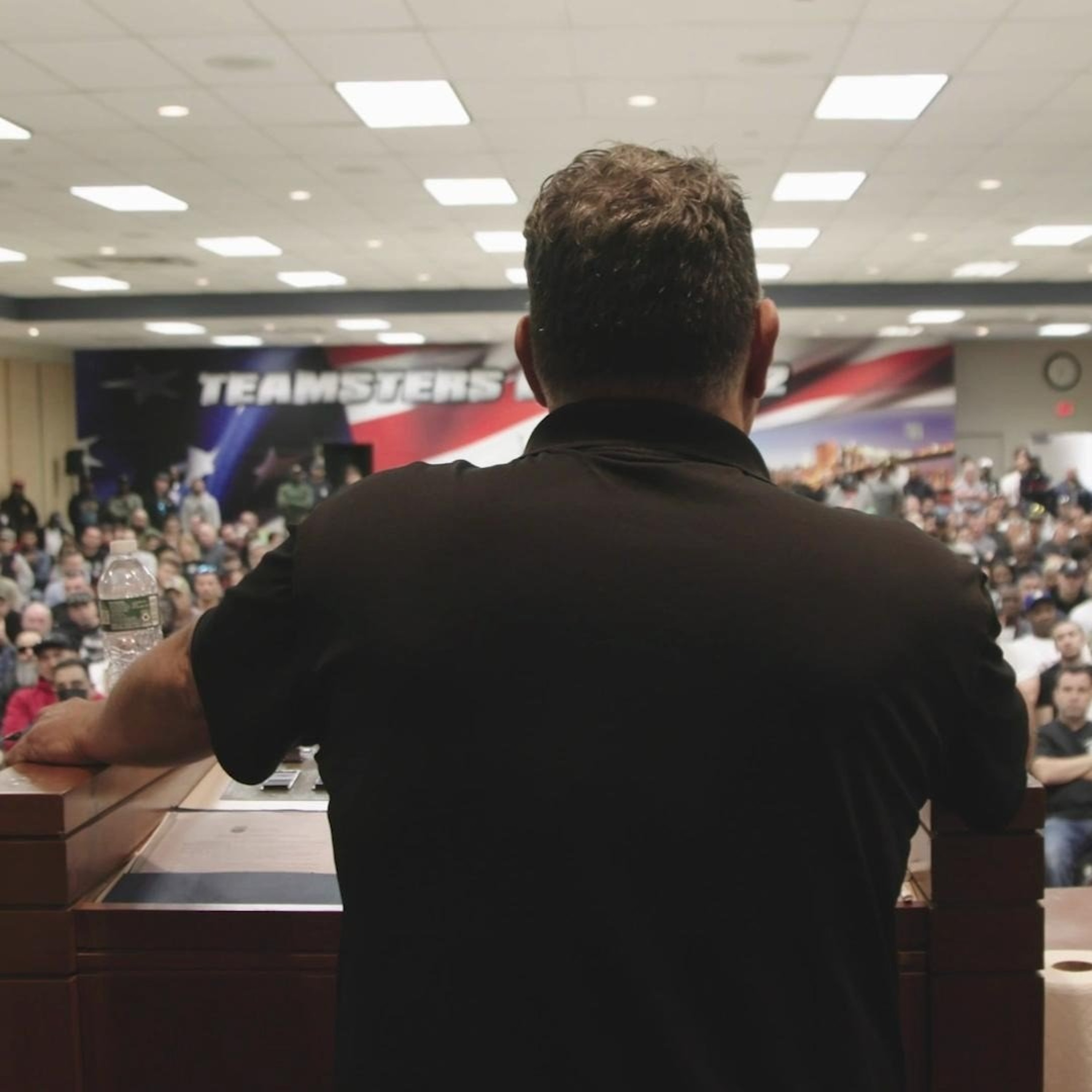
Overview of BONUS: Who Moves America feat. Yael Bridge & Antonio Rosario
This bonus episode of Chapo Trap House is a wide-ranging conversation about the documentary Who Moves America?, which follows the 2023 UPS-Teamsters contract fight. Host Amber interviews filmmaker Yael Bridge and Teamsters organizer Antonio Rosario about the film’s historical framing, the realities of labor organizing, and what the UPS victory means for workers going forward. The discussion covers the 1997 UPS strike, the disappointing 2018 contract, the 2023 gains for part-timers and drivers, and the long-term work needed to enforce and build on contract wins.
Main Topics Covered
The 1997 UPS Strike and Why It Matters
- Antonio Rosario explains the 1997 strike as a defining moment in Teamsters history.
- The strike centered on:
- improving pay for part-time workers
- creating more full-time jobs
- fighting the company’s use of split shifts and underemployment
- Yael Bridge says the film begins there to emphasize:
- labor history and continuity
- intergenerational solidarity
- the idea that current gains exist because earlier workers fought for them
The 2018 Contract and Worker Frustration
- Rosario describes the 2018 contract as a major loss for members.
- Key grievance:
- the controversial “22.4” position, which created a lower-tier driver role with fewer protections
- He argues the contract was effectively imposed despite widespread opposition and a strong “vote no” effort.
- The episode frames 2018 as a major reason workers entered 2023 with so much anger and urgency.
The 2023 Contract Fight and What Was Won
- Rosario says the 2023 contract was a real step forward, even if not a perfect victory.
- Major wins discussed:
- largest part-time wage increase in UPS history
- progression toward a $25/hour part-time rate
- higher driver wages
- Martin Luther King Jr. Day as a holiday
- air conditioning commitments in trucks
- elimination of the 22.4 classification
- He emphasizes that a contract only matters if workers enforce it through grievances and continued organizing.
How Organizing Actually Works
- Both guests stress that organizing depends on:
- trust
- listening
- relationship-building
- worker-to-worker conversations
- Rosario warns against organizers leading with politics instead of listening to what workers actually need.
- Bridge makes a similar point from the filmmaking side: documentarians should show up, listen, and earn trust rather than assuming they already know the story.
Differences Between Warehouse Workers and Drivers
- The conversation explores how UPS warehouse and delivery work differ:
- warehouse work is more physically repetitive and heavily monitored
- driving comes with more autonomy but also greater responsibility and safety pressure
- Rosario says these differences can create tension between groups, but workers should remember they share the same real opponent: the company.
- He also stresses the importance of understanding workers’ backgrounds and communities, not just their job titles.
Where the Film Was Shot and Why Those Cities Were Chosen
- Bridge explains the film’s locations were chosen to show the diversity of the UPS workforce while still focusing on one contract.
- Key locations included:
- New York
- Louisville, Kentucky (UPS Worldport)
- Southern California / San Diego
- The film aimed to show multiple regional labor cultures and perspectives under the same national bargaining unit.
Turnover, Layoffs, and Long-Term Worker Power
- Rosario says UPS is not usually plagued by the kind of turnover seen at Amazon.
- He notes that:
- part-time UPS jobs can still be entry points for students, parents, and workers seeking benefits
- layoffs do happen, especially as business shifts and Amazon affects volume
- He argues seniority and layoff language offer some protection, but future contracts will need to address shifting work patterns and job security.
Key Takeaways
For Workers and Organizers
- Know your labor history.
- Don’t assume workers want the same things you do—ask, listen, and build trust.
- Victory is never permanent; every contract must be fought for and enforced.
- Young and older workers should see each other as allies, not rivals.
For Viewers and Supporters
- The film is meant to be screened widely, including:
- union halls
- DSA chapters
- homes and community spaces
- The filmmakers want audiences to understand that labor organizing is ongoing, strategic, and collective—not just dramatic strike moments.
Notable Advice from the Guests
Tony Rosario’s Advice for Organizers
- Listen more than you speak.
- Build real relationships.
- Don’t lead with assumptions or ego.
- Learn from younger workers as much as they learn from you.
Yael Bridge’s Advice for Filmmakers
- Be present in person.
- Stay humble and curious.
- Earn trust by doing the work, not by swooping in for footage.
- Tell labor stories with care and respect for the people living them.
Resources and Call to Action
- Watch the film / request a screening: whomovesamerica.com
- Support worker organizing: Coworker Solidarity Fund
- Episode takeaway: The fight at UPS is not over; 2028 is already on the horizon, and both guests stress that organizing must continue between contracts.