Overview of 1039 - Novel Gustatory Experiences feat. Bryan Quinby & Chris James (5/25/26)
This episode of Chapo Trap House is largely a freewheeling comedy roundtable with Bryan Quinby and Chris James, covering internet weirdos, failed media personalities, miserable travel and lodging experiences, and a long closing discussion of an Atlantic essay defending Miller Lite as the anti-snob beer. The conversation keeps circling back to a bigger theme: how people build identities around taste, class, and lifestyle choices — whether that’s beer, food, podcasts, or even “Gen X” nostalgia branding.
Main Topics Discussed
Internet characters, podcast weirdos, and “Gen X” branding
- The hosts riffed on a series of online personalities and media types:
- A Twitter account with an overly self-serious bio and a profile picture that is just an eye.
- A “dad bod veteran” style creator who performs a fake, old-timey accent.
- The broader trend of “Gen X” content, including creators packaging nostalgia, thrift, and “forgotten generation” identity into a podcast/YouTube persona.
- They mocked how these people market themselves as gritty, practical, or culturally savvy while sounding absurdly contrived.
- There was extended joking about podcast agents, YouTube optimization, and AI-generated thumbnails/content.
Opie, Anthony, and obsolete radio-era personalities
- A long stretch of the episode focused on aging shock-jock/radio figures like Opie, Anthony Kumia, and the Greaseman.
- The hosts described how these old radio guys seem trapped in a mode where they believe they are always one viral moment away from a comeback.
- Opie was singled out for:
- AI-generated video content,
- strange documentary-style uploads,
- and an inability to accept that he’s no longer “on top.”
- The discussion framed them as fascinating because they are so obviously past their prime but still acting as if a return to glory is imminent.
AI content and the decay of online media
- The episode spent time on AI-generated summaries, voices, songs, and thumbnails.
- One example involved an AI news summary glitching on “WWE” and spiraling into nonsense.
- The hosts also mocked an AI-generated country song telling the story of a swinger couple’s life, noting how bizarre it is when people use AI to flatten their own experiences into low-quality novelty content.
- They returned repeatedly to the idea that AI is mostly being used by people who want to produce “content” without actual thought or skill.
Horrible travel, Airbnb, and hotel stories
- Several stories were shared about awful places they’ve stayed while traveling for live shows:
- Airbnbs that felt unsafe, filthy, or like human trafficking hubs.
- Hotels with bizarre odors, broken systems, or hostile check-in experiences.
- A Miami trip that turned into an extended complaint about the city’s heat, aggression, and general unpleasantness.
- They contrasted youthful tolerance for terrible sleeping arrangements with how intolerable those conditions feel now.
- The tone was nostalgic but also horrified: everyone had once accepted sleeping on floors, couches, and futons, but no one wants to do it anymore.
Trump assassination attempt and the White House ballroom
- The hosts briefly discussed the recent shooting incident near the White House involving a 21-year-old from Dundalk, Maryland.
- They joked about how half-assed and geographically distant many attempted assassinations of Trump seem to be.
- They also joked about Trump’s claimed desire for a White House ballroom, treating it as a ridiculous but revealing obsession.
- The segment blended true-news commentary with absurdity and political fatigue.
The Beer Essay: Miller Lite as Anti-Snob Politics
The Atlantic piece under discussion
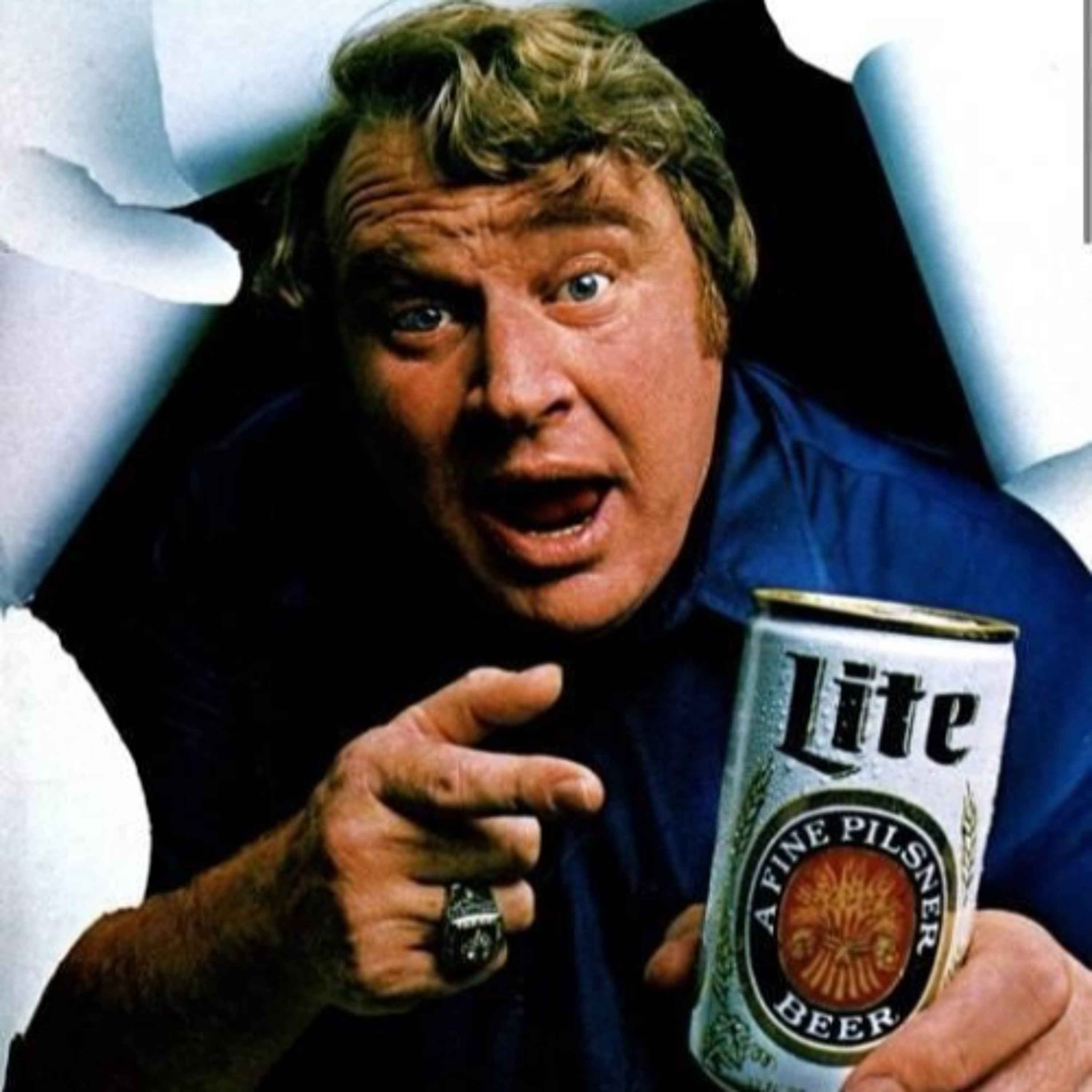
- The last major segment centered on Tyler Austin Harper’s Atlantic essay arguing that Miller Lite is the antidote to the “novel gustatory experiences” of the professional class.
- Brian had read the social post about it but not the full article; the group then read through and mocked the essay line by line.
Core argument of the essay
- Harper argues that:
- craft beer and foodie culture often become status performances,
- Miller Lite is simple, reliable, and culturally unpretentious,
- and adulthood means realizing your father was right about this kind of beer all along.
- The hosts thought the article’s central thesis was basically “it’s okay to drink a boring beer if it keeps you from spiraling.”
Their response
- They found the essay’s prose overwrought and self-important.
- They mocked the contradiction of the author posing as anti-snob while writing in dense, performative, college-educated language.
- Their takeaway:
- drinking preferences are not a personality,
- most people should just drink what they like,
- and this whole debate is a familiar class-performance loop disguised as an essay.
Broader drinking and class observations
- The conversation broadened into:
- craft beer snobbery,
- macro beer,
- real ale/cask ale,
- and the way alcohol consumption gets tied to identity.
- They noted that many “beer guys” eventually arrive at a more sensible take: drink what you want, don’t turn it into a philosophy.
- The hosts also contrasted “good taste” rhetoric with the plain reality that many people are just trying to get a buzz without wrecking the next day.
Notable Takeaways
- Identity branding is everywhere: from Gen X nostalgia content to beer essays to podcast personas, people constantly perform class and taste.
- AI is flattening creativity: the episode repeatedly treats AI content as a lazy substitute for actual voice or craft.
- Aging media figures are stuck in delusion: old radio personalities and content creators alike keep acting like the old ecosystem still exists.
- Miller Lite became a proxy for a bigger argument: not really about beer, but about simplicity vs. pretension, and how much intellectualized taste can become its own kind of snobbery.
- The hosts’ core philosophy remains anti-pretension: whether it’s drinking, travel, or media consumption, they favor honesty over branding.
Closing Notes
- The episode ends by promoting the Guys podcast and their Toronto live show.
- The tone throughout stays loose, comedic, and heavily observational, with the beer essay serving as a perfect final target for mockery and class analysis.