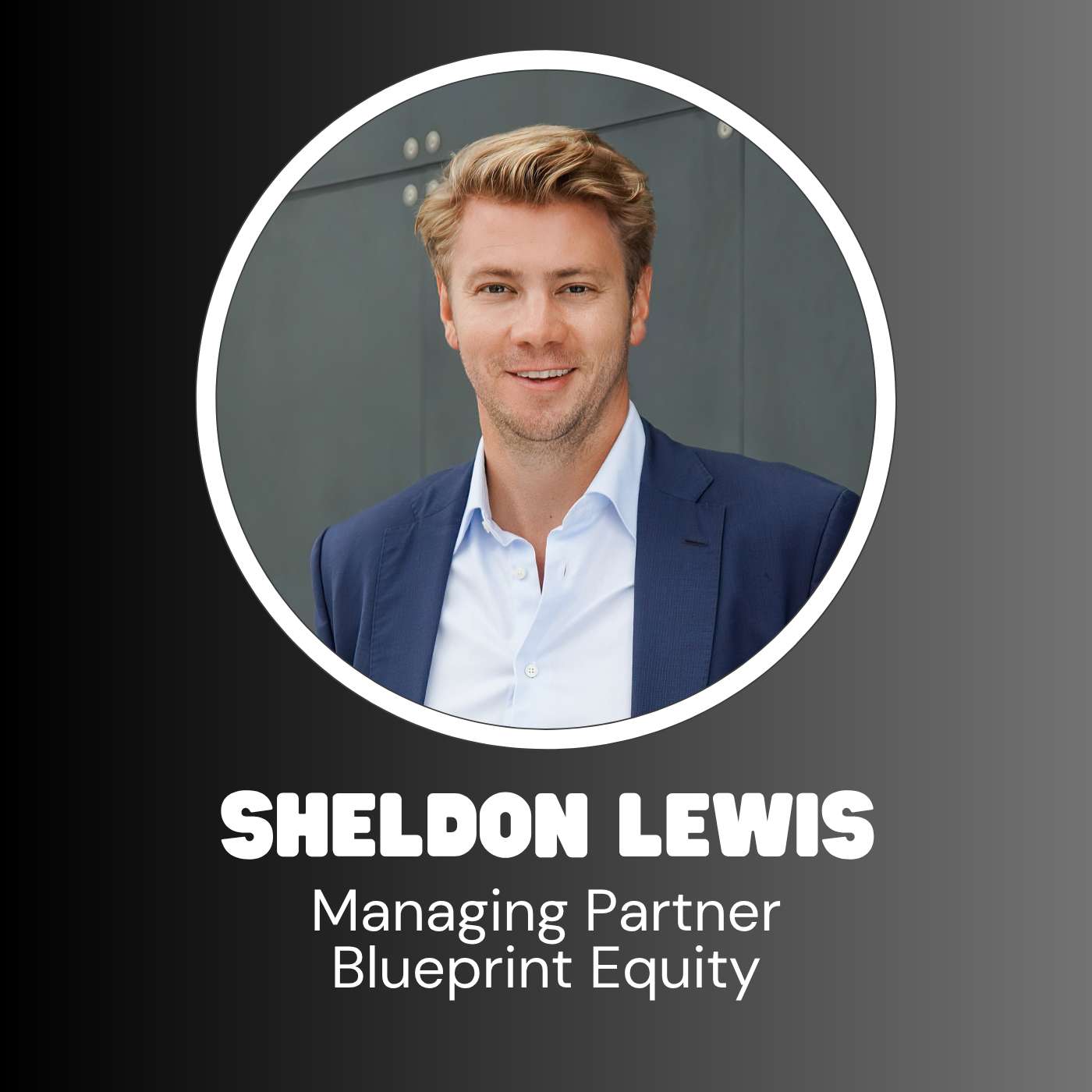
Overview of Blueprint Equity Managing Partner Sheldon Lewis - Is the SaaSpocalypse Real?
In this CEO.com interview, Sheldon Lewis, Managing Partner at Blueprint Equity, explains how his growth equity firm invests in early-stage B2B vertical software companies and why he believes the so-called “SaaSpocalypse” is overstated. He argues that AI is changing software markets quickly, but not destroying them. Instead, he sees a major opportunity for disciplined investors and mission-critical vertical software businesses that sit directly in the workflow and own proprietary data.
Blueprint Equity: Who They Are and How They Invest
What Blueprint Equity Does
- Blueprint Equity is a growth equity fund with about $600 million under management.
- The firm invests in B2B vertical operating systems / vertical SaaS businesses.
- It usually leads the first institutional round, typically Series A.
Typical Investment Profile
- Companies are generally:
- Doing $1M–$7M in ARR
- Growing 75%+ year over year
- Bootstrapped or capital-light
- Check sizes range from $5M to $35M.
- Blueprint sits between venture capital and private equity, with more emphasis on:
- Business fundamentals
- Financial performance
- Operational track record
The State of SaaS and the “SaaSpocalypse”
Lewis’s Take on the Market
- He says SaaS is in the most exciting and scariest period he has seen in 20 years of investing.
- The market is volatile because AI is changing the software landscape so quickly.
- Larger growth and private equity firms appear to be slowing down and waiting for more clarity before deploying capital.
Is SaaS Dead?
- Lewis thinks the “SaaSpocalypse” narrative is overblown.
- His view:
- It is easier to start software now, but not easy enough to replace robust businesses with “vibe-coded” tools.
- Human labor is still needed for:
- Sales
- Customer service
- Implementation
- Ongoing support
- Public SaaS companies may be undervalued right now, in his opinion.
- He believes AI will make good software companies stronger and more profitable, not obsolete.
AI’s Effect on Funding
- Startups are likely asking for less capital than they did a few years ago because AI enables more efficiency.
- Lewis does not think this means most companies will stop raising follow-on rounds any time soon.
- But he does think the funding market is becoming more selective, and companies may need less money to reach profitability.
Venture Capital vs. Growth Equity
How Lewis Differentiates the Models
- He jokingly describes Blueprint as “anti-VC” because the firm does not use a classic high-failure, home-run venture model.
- Traditional VC:
- Makes many speculative bets
- Expects most to fail
- Relies on a few huge winners to drive returns
- Blueprint’s approach:
- Focuses on solid businesses with real fundamentals
- Expects a much higher win rate, more like private equity
What This Means in Practice
- Blueprint is less focused on “hot ideas” and more focused on:
- Revenue quality
- Market strength
- Founder quality
- Operational maturity
What Blueprint Likes to Invest In
Best-Fit Verticals
Blueprint prefers vertical mission-critical software and systems of record that are embedded in a customer’s daily workflow.
Examples mentioned:
- Pediatrician operating systems
- Golf course software
- Pickleball/Paddle software
- Construction tech
- Prop tech
Why These Businesses
Lewis says the best software businesses are:
- In the workflow
- Mission-critical
- Able to collect proprietary data
- Hard for general-purpose AI models like Claude or Anthropic to fully replace
Example: Develo
- Blueprint recently invested in Develo, an AI-native operating system for pediatricians.
- It supports:
- Notes
- Prescriptions
- Insurance workflows
- Lewis sees this as the kind of business that benefits from AI rather than being displaced by it.
What Blueprint Looks for in Founders
Key Founder Traits
Lewis looks for founders who are:
- Intelligent
- Hardworking
- Focused
- Capable of scaling as the company grows
Founder-Market Fit
- Historically, Blueprint has favored founders who lived the problem they are solving.
- That background helps especially in the early phase, from roughly $1M to $5M in growth.
What Matters More at Scale
For larger growth stages, Lewis emphasizes:
- Ability to hire and retain talent
- Ability to build a team that can scale with the business
- Willingness to stay focused on one core problem instead of chasing too many side projects
A Strong Answer from a Founder
He likes it when a founder says:
- “I’m the one-to-five person, but not the five-to-twenty person.”
- In other words, self-awareness and willingness to bring in the right operator matters.
Board Meetings and Investor Communication
The Biggest Board Meeting Mistake
Lewis says the biggest issue that derails board meetings is surprises.
Best Practice for Founders
- Do not let the board hear bad news for the first time in the meeting.
- A better practice is to:
- Pre-brief board members about a week ahead of time
- Give them time to process issues
- Let them come into the meeting prepared with ideas and solutions
Communication Principle
He stresses that good board relationships are like any good relationship: communication is everything.
AI, Jobs, and Public Backlash
Why People Are Upset About AI
Lewis says public frustration is understandable because AI is already disrupting:
- Entry-level jobs
- Repetitive tasks
- Routine knowledge work
His View on the Backlash
- He thinks the backlash is real and emotionally understandable.
- But he also believes the “genie is out of the bottle.”
- AI is not going away, so the best response is to:
- Work with it
- Work around it
- Apply regulation where necessary
Bottom Line
- AI will continue to change the labor market.
- Lewis does not see a way to reverse that trend.
Lewis’s Day-to-Day Work Style
How He Manages His Time
- He uses time blocking and follows the idea from The One Thing:
- Focus on the single most important objective
- Align weekly, monthly, and yearly goals around it
- He says he sleeps better when the next day is structured in advance.
What He Spends Time On
His time is split between:
- Running Blueprint as a 21-person organization
- Supporting existing portfolio companies
- Meeting investors
- Finding new investments
Blueprint’s Operating Support
- Blueprint has an ops team of six
- They help portfolio companies with:
- Hiring
- Go-to-market
- AI initiatives
- This support is provided free of charge
Who Gave Him a Chance
Lewis closes by crediting:
- His parents, for working hard to provide opportunities
- Gavin Turner and Jason Payne at Main Sale Partners, who hired him early in his investing career
- Dave Dutch, a mentor and now a close personal friend, who also officiated his wedding
Key Takeaways
- The “SaaSpocalypse” is, in Lewis’s view, more hype than reality.
- AI is changing software investing, but it is also creating major opportunities.
- Blueprint Equity is betting on:
- Vertical SaaS
- Workflow ownership
- Proprietary data
- Strong founder execution
- In this environment, the firms most likely to win are the ones that stay disciplined and focus on real businesses, not just trends.