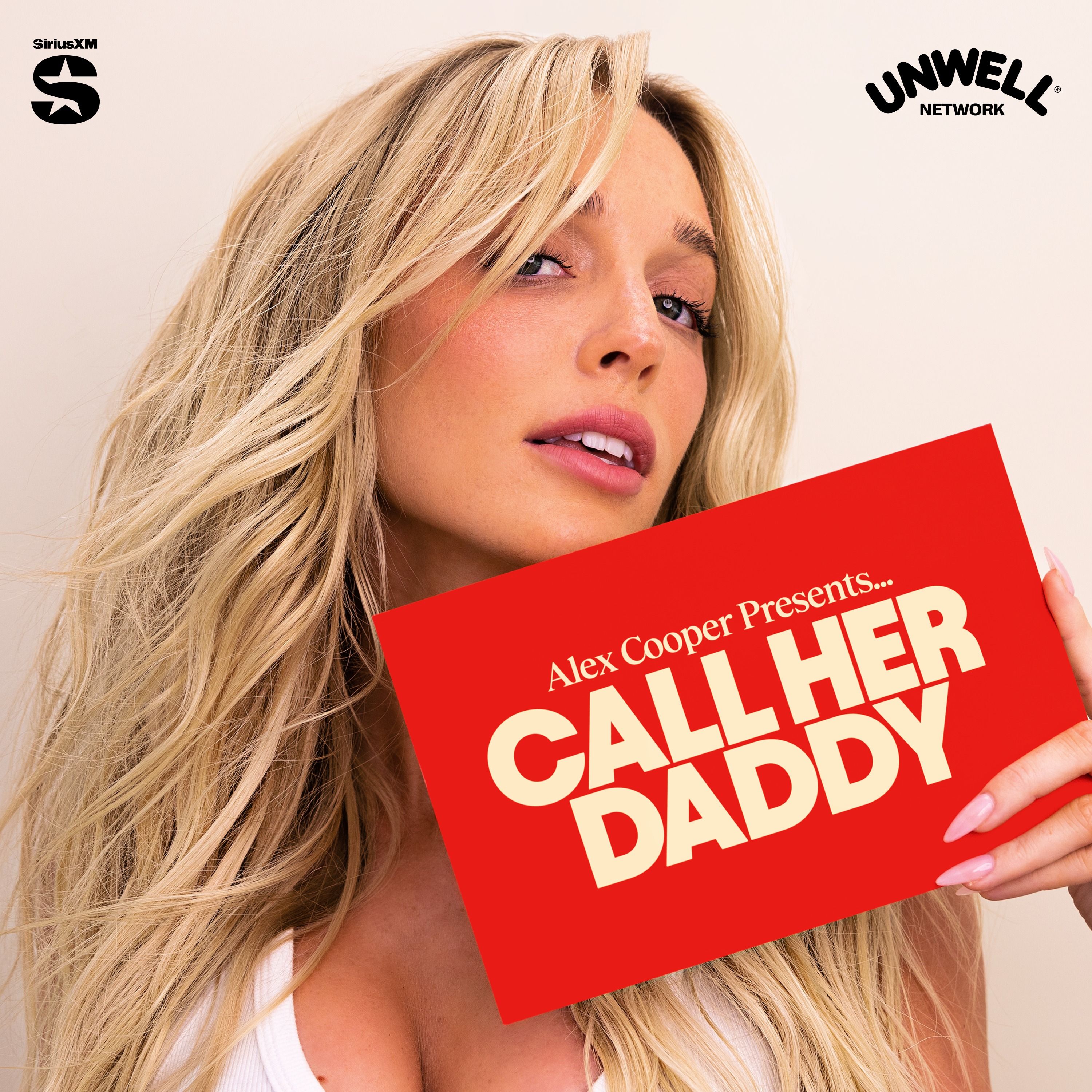
Overview of Call Her Daddy: Holly & Bridget — “Controlling Men 101” (FBF)
Alex Cooper sits down with Holly Madison and Bridget Marquardt for a candid flashback conversation about life inside the Playboy Mansion, the intense beauty standards of the early 2000s, and the ways controlling men can manipulate women through power, attention, and emotional coercion. The episode blends nostalgia with a sharp critique of the Playboy era, while also connecting those experiences to modern-day issues like body image, love bombing, and women feeling pressured to stay silent or comply.
Playboy Mansion Life and the Girls Next Door Era
What the mansion was like
- Holly and Bridget explain that the Playboy Mansion was a major celebrity hotspot in the early 2000s.
- Big names like Leonardo DiCaprio, Jim Carrey, Cameron Diaz, and George Clooney were reportedly among the guests.
- Because there were no smartphones and cameras were banned, celebrities felt safer letting loose there than they would today.
Their roles in the house
- Bridget describes the dynamic as restrictive once they were living there as girlfriends.
- They were expected to remain within Hef’s sight at parties and couldn’t freely wander around.
- Holly says the environment often felt less like a glamorous party and more like a controlled system.
Beauty Standards, Body Image, and Shame
Extreme thinness as the ideal
- Both women reflect on how thinness was treated as the ultimate standard in the Playboy world.
- Holly says she was obsessed with staying very thin and struggled with body dysmorphia.
- Bridget says producers tried to frame her as “the big girl” of the group, and she was repeatedly shamed for eating.
Long-term impact
- Even now, both say they still struggle with those messages.
- Holly says she still has instinctive reactions in the mirror and admires women like Pamela Anderson who reject traditional beauty expectations.
- The discussion broadens into how social media continues to intensify body insecurity, just in a different form than Playboy did.
Control, Manipulation, and Red Flags
How control worked
- Holly and Bridget describe Hef as deeply insecure and afraid of being alone.
- They say he used emotional tactics like love bombing, isolation, and subtle control to keep women compliant.
- One major tactic was discouraging them from seeing family or doing outside activities.
Red flags they now recognize
- Moving too fast
- Saying “I love you” early
- Encouraging dependence
- Framing controlling behavior as “protective” or “romantic”
- Pressuring women to isolate from friends and family
The “recruiter” dynamic
- The women also discuss how abusers often use other women to recruit or pressure new girls, comparing it to patterns seen with other powerful men.
- Holly and Bridget note how this tactic can make coercion feel like a group norm instead of a personal violation.
Sexual Pressure, Consent, and Trauma
The first night upstairs
- Bridget says she felt disgusted and ashamed after her first sexual experience at the mansion.
- Holly says she knew what was expected but still believed she might be able to avoid it the first time.
- Both describe the experience as emotionally damaging and dehumanizing.
The bedroom environment
- They reveal that the situation in the bedroom was especially violating because others could be invited in without mutual agreement.
- Holly says she views that as one of the worst aspects of the whole experience.
- Bridget says it felt like a “mean girls” environment mixed with a total lack of voice or control.
Rewatching the Show and Reclaiming the Narrative
Watching Girls Next Door now
- Bridget says the rewatch podcast has been emotionally difficult and opened up memories she had buried.
- Holly says some episodes are hard to defend because the editing created false or misleading narratives.
- Bridget gives an example of an episode where she was edited to look jealous and manipulative, which she says never happened.
Why speaking out matters
- Both women push back against the idea that because they “benefited” from the situation, they can’t also say it was abusive.
- Holly emphasizes that she’s trying to “make lemonade out of lemons” by using her platform now in a way that doesn’t glorify what happened.
- Bridget says she is still in the process of deprogramming and repairing how she sees herself.
Relationships After Playboy
Holly’s post-mansion pattern
- Holly says she quickly entered another relationship that mirrored some of the same controlling dynamics, which helped her recognize the pattern.
- She eventually married and had children, and says she has continued learning what healthy relationships should look like.
Bridget’s experience
- Bridget says she met her long-term partner soon after leaving and has been with him for 15 years.
- She still feels like she’s working on fully rebuilding her self-image independent of the mansion.
Main Takeaways
- Control often looks like care: manipulative men frequently frame isolation and restriction as love or protection.
- Women are often punished for speaking up: especially when the man has status, money, or public admiration.
- Beauty standards can create lasting damage: even after leaving toxic environments, the mental effects linger.
- Rewatching and reflection can be healing, but painful: revisiting the past can reveal how much was normalized at the time.
- Financial and social dependence make leaving harder: the episode strongly rejects the simplistic “why didn’t you just leave?” narrative.
Notable Insights
- “It’s such a privilege to get older.”
- “Love bombing” and early emotional intensity can be warning signs, not romance.
- Being told you “look tired,” “look old,” or should “smile” are small examples of the same controlling energy.
- Holly and Bridget both stress that many women experience versions of these dynamics, even outside extreme environments like Playboy.
Bottom Line
This episode is part reunion, part reckoning. Holly and Bridget reflect on the Playboy Mansion as a place of glamour on the surface but coercion, shame, and control underneath. The conversation is ultimately about more than Playboy: it’s about how women are manipulated by power, how body image gets weaponized, and why recognizing red flags early matters.