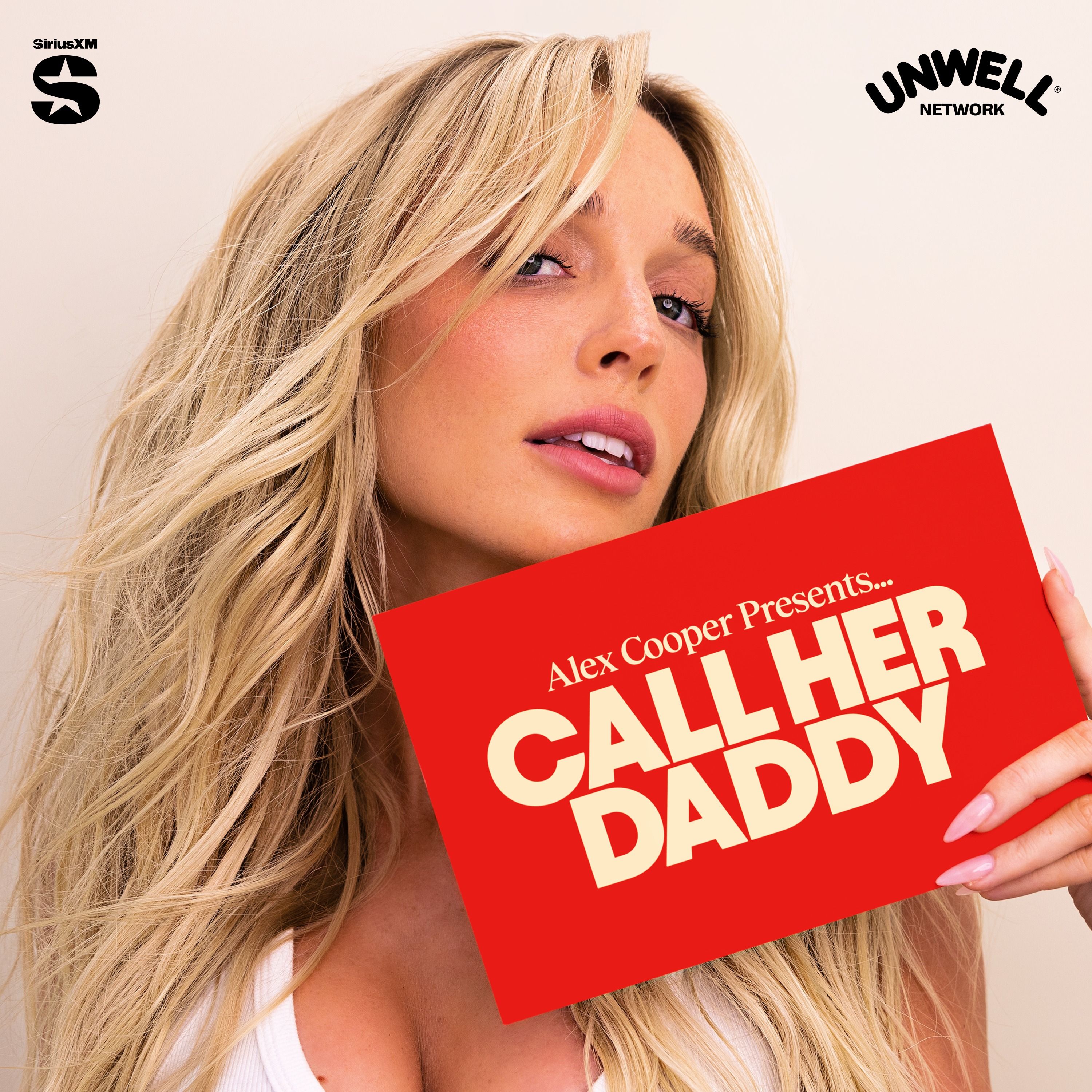
Overview of The Wellness Industry Is a Scam (Call Her Daddy — Alex Cooper)
Alex Cooper opens a Sunday Session riffing on January pressure, wellness culture, and the toxic rush to “optimize” ourselves. Candid, blunt and often comedic, she argues that the modern wellness industry profits off insecurity, pushes unattainable standards, and turns self-improvement into self-rejection. She weaves in two short article readings (a Medium piece by Layla and a Cosmopolitan piece by Lois Shearing), listener Q&A on relationships, money, career and family dynamics, and a series of practical takeaways about setting boundaries, dating while “unhealed,” and reclaiming simple, low-cost wellness habits.
Key themes & main takeaways
-
The “new year, new me” pressure can be harmful
- Constant self-optimization creates a perpetual sense of not-enoughness.
- There is no final, perfectly healed version of yourself to reach — happiness can and should exist in the “in-between.”
-
The wellness industry is often exploitative
- Beauty/wellness fads (cold plunges, red-light masks, sea-moss, peptide cocktails, coffee enemas, etc.) are marketed as necessary fixes and are often expensive and unsustainable.
- Real wellness can be simple, free, and practical (five quiet minutes with coffee, a few pages of a book, basic stretching).
-
Dating and “healing”
- You do not have to be perfectly healed to date. Dating can surface unresolved issues and be a path to growth.
- Declaring “I’m working on myself” can be an honest boundary — or an avoidance tactic. Context matters.
-
Boundaries and honest conversation are essential
- Money dynamics, parental projections, and repeated hurtful comments (e.g., about weight) require direct conversations and enforceable boundaries.
- If boundaries aren’t respected, limit contact or change how/when you engage.
Notable quotes / ideas worth remembering
- “If happiness required having your life together none of us would smile again.”
- “Happiness doesn’t mean you’re ignoring the hard parts. It means you’re giving yourself permission to experience joy in spite of them.”
- “There is no final benchmark that actually exists in life.”
- From Cosmopolitan (Lois Shearing): “You can’t get better without other people… you will never be healed unless you get out there and work on your shit with other people.”
Practical advice & action items
-
Reclaim wellness:
- Try low-cost/no-cost practices: 5 minutes of quiet, a short stretch routine, reading before bed, lighting a candle and listening to music.
- Stop buying things “for aesthetic” or “street cred.” Ask: will this actually make me feel better, or just look good on social media?
-
On relationships & dating:
- Don’t delay dating indefinitely as a precondition to self-worth. Be honest about where you’re at and let interaction reveal growth areas.
- Avoid weaponizing “I need to work on myself” as an easy exit — check motives.
-
On money imbalance with a partner:
- Clarify what you want (recognition vs. 50/50 contribution).
- Start with a soft, honest conversation: name the imbalance, state a boundary or proposed split, and ask for his perspective.
- Get facts rather than assumptions — better to hear uncomfortable truths than to keep spending without clarity.
-
On parental projection and hurtful comments:
- Set a clear boundary: tell them the specific behavior you won’t accept.
- If they won’t respect it, limit contact or change the terms of engagement (e.g., don’t invite them when the issue is likely to come up).
- Recognize transgenerational patterns, but don’t let that justify ongoing harm.
-
On career burnout and identity:
- Audit what you love vs. what you hate about your job (list specifics).
- Schedule and protect non-work rituals (date nights, friends, massages).
- Decide whether you need better balance or a job change — both are valid.
-
Reduce social media comparison:
- Practice discernment: many influencer recaps and goal posts are performative.
- Limit exposure to content that triggers self-criticism, especially during January.
Topics discussed (at-a-glance)
- January/New-year pressure and goal fatigue
- Critique of wellness industry trends and consumerism
- Reading: Medium — “You’re Allowed to Be Happy Even Before You’ve Fixed Everything” (Layla)
- Reading: Cosmopolitan — “Do We Really Have to Be Healed to Date People” (Lois Shearing)
- Dating while “unhealed”; why interaction is part of healing
- Listener Q&A:
- Financial imbalance in relationships (how to bring it up)
- Managing family/parental negativity about marriage
- Career success leading to anxiety and loss of empathy
- Dealing with a mother’s repeated weight comments
- Frequent sponsor spots (various ads read through episode)
Tone & context notes
- Explicit language, irreverent humor, and raw personal anecdotes — the episode is conversational and direct.
- Alex uses real-life examples from her relationships and listeners’ questions to ground advice; she acknowledges her own contradictions (e.g., buying a journal she won’t use).
- The episode is less academic critique and more a cultural PSA mixed with practical guidance and blunt encouragement.
Bottom line (one-paragraph)
You don’t need to be a fully optimized, perfectly “healed” product to deserve joy, love, or progress. The modern wellness industry profits on perpetual insecurity; real wellness is often simple and inexpensive. Be honest with yourself and others, set boundaries (with partners and parents), stop living for influencer aesthetics, and let human relationships — including dating — help you grow instead of postponing life until you’re “fixed.”