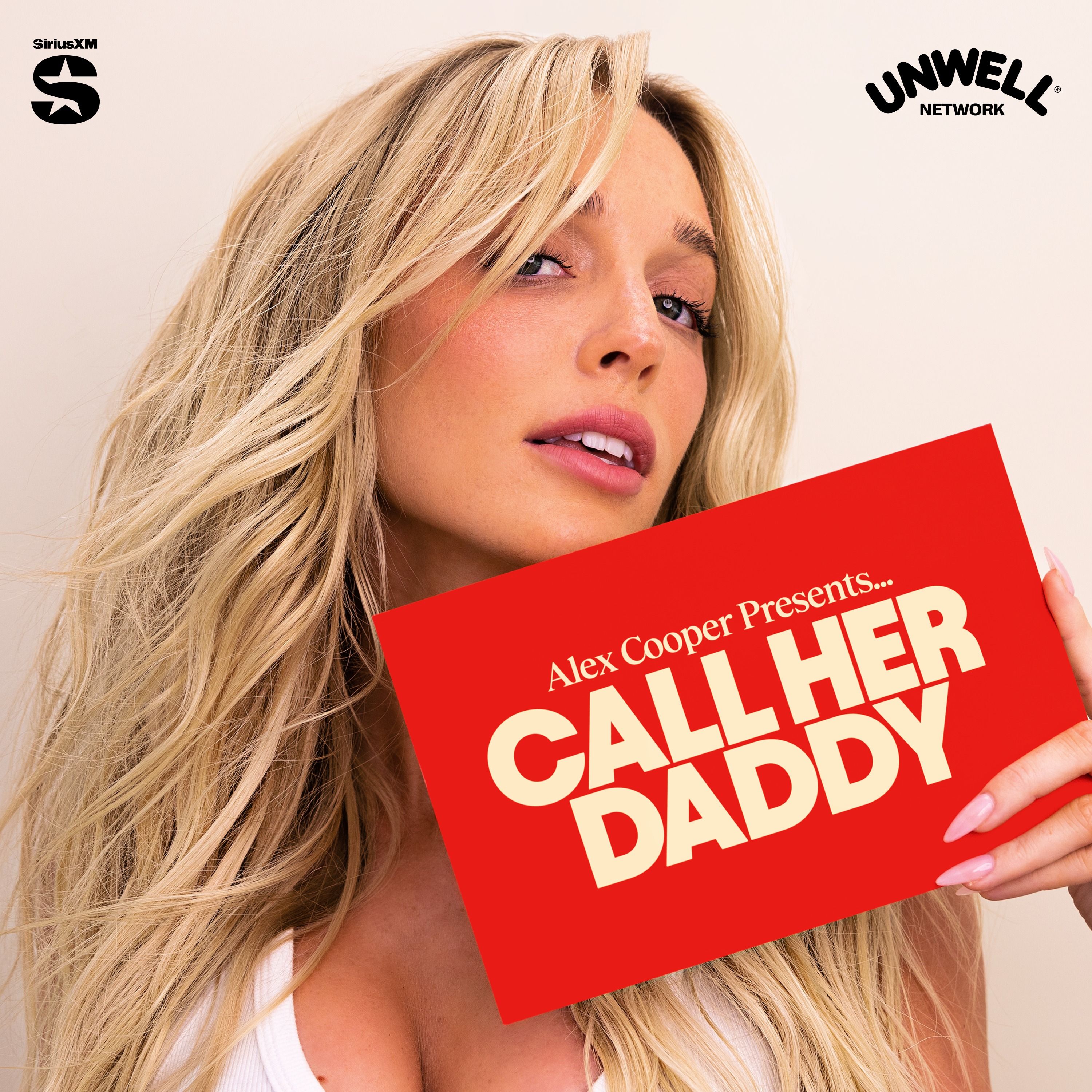
Overview of Call Her Daddy — Elizabeth Banks: How Do I Know If He’s My Soulmate? (FBF)
Host Alex Cooper interviews Elizabeth Banks about her life, career, marriage, motherhood, and activism. The conversation moves from personal origin stories (growing up in Pittsfield, MA; attending UPenn; early acting career) to intimate relationship details (meeting her husband freshman year, proposal story, staying together), candid reproductive health experiences (unexplained infertility, IVF attempts, choosing surrogacy), and Banks’s advocacy around women’s reproductive rights and her new film Jane (about the Chicago “Jane” network that provided abortion care pre-Roe). Interspersed are career and life advice—on dreaming bigger, employability, speaking up in male-dominated spaces—and reflections on feminism, shame around infertility, and staying connected in long relationships.
Episode details
- Guest: Elizabeth Banks — actress, director, producer, writer, and wine brand founder (Archer-Rousse)
- Host: Alex Cooper
- Notable plug-ins: Banks’s canned wine Archer-Rousse; her film Jane (about abortion care/Janеs)
- Tone: candid, personal, conversational, political at times
Key topics covered
- Elizabeth’s upbringing and path to acting (Penn, early work ethic, first big breaks)
- Building a career without a linear plan; “dream bigger” message
- Meeting and marrying her husband (college meet-cute, proposal story in Kentucky)
- Long-term relationship dynamics: communication, separation vs. closeness, recommitment
- Fertility journey: unexplained infertility, multiple failed procedures, grief, decision to pursue surrogacy
- The emotional complexity and stigma of infertility; reframing “pregnancy” vs. “being a mom”
- The movie Jane — its plot, themes, and relevance to current reproductive rights debates
- Feminism, workplace power dynamics, #MeToo context, and advice for young women navigating male-dominated spaces
- Reproductive rights and political activism (post-Dobbs landscape, impact on women’s health)
Main takeaways
- Career and life paths don’t need to be fixed early — curiosity, work ethic, and openness lead to opportunities.
- Dream bigger and intentionally map at least some element of the life you want (city, stability, skillset).
- In relationships, clear conversations about future goals (marriage, kids) are vital; honesty beats waiting.
- Long-term partnerships thrive on recommitment, communication, and sometimes healthy time apart.
- Infertility carries deep grief and shame; focusing on the core goal (being a parent) vs. process (pregnancy) helped Banks accept surrogacy.
- Women’s bodily autonomy is a social justice issue — restrictions on abortion disproportionately harm marginalized women (maternal mortality, lack of access).
- Safety, numbers, and networks matter: people only speak out when they feel safe; isolation is a tool of oppression.
- Use community and data — you’re likely not alone in workplace abuse or reproductive struggles.
Notable quotes / moments
- “Is your goal to be pregnant or to be a mom?” — reframing priorities about parenthood.
- “I had a broken belly” — Banks’s simple, candid way to explain implantation issues.
- “You will be so grateful” — advice she received about surrogacy that shifted her perspective.
- “An unwanted child is a fucking tragedy.” — Banks on the stakes of restricting abortion access.
- “Women haven’t had political and economic power until my lifetime.” — puts the pace of social change in historical perspective.
- Proposal anecdote: Planned intimate engagement derailed by a raucous Kentucky steakhouse party, but ultimately heartfelt and private.
Practical advice & action items for listeners
- Career: Build employability—specialize over time, take pride in any job, and do something unexpected to stand out in applications.
- Relationships: Have the tough conversations (commitment, marriage, kids) instead of waiting for your partner to decide for you.
- Infertility/reproductive choices: Seek information and community; consider all paths (IVF, surrogacy, adoption) and give yourself permission to grieve and reframe.
- Workplace harassment: Find allies, gather data, and don’t isolate — there is safety in numbers and shared stories.
- Civic: If you care about reproductive rights, engage politically (vote, support organizations, share information) — Banks frames rights as things that must be fought for and defended.
About the movie Jane
- Premise: Based on the true story of the Chicago “Jane” collective (late 1960s–early 1970s) that provided abortion care to thousands before Roe v. Wade.
- Banks’s role: Plays Joy, a 40-year-old housewife who seeks a life-saving abortion and becomes empowered through that choice.
- Why watch: The film humanizes abortion access, highlights gendered power imbalances, and contextualizes current reproductive-rights debates.
Recommended follow-ups
- Watch Jane to see the historical story and Banks’s character arc.
- If facing fertility issues: seek medical counsel and mental health support; look into support groups and first-hand surrogacy resources.
- For workplace concerns: document incidents, seek mentorship, and consult local resources or advocacy organizations.
- Engage with civic action around reproductive rights (local voter guides, organizations supporting access).
Summary verdict: This episode blends intimate storytelling with concrete life lessons and earnest advocacy. Elizabeth Banks is candid about vulnerability—career anxiety, infertility, and politics—while offering practical, compassionate guidance for listeners navigating careers, relationships, and reproductive choices.