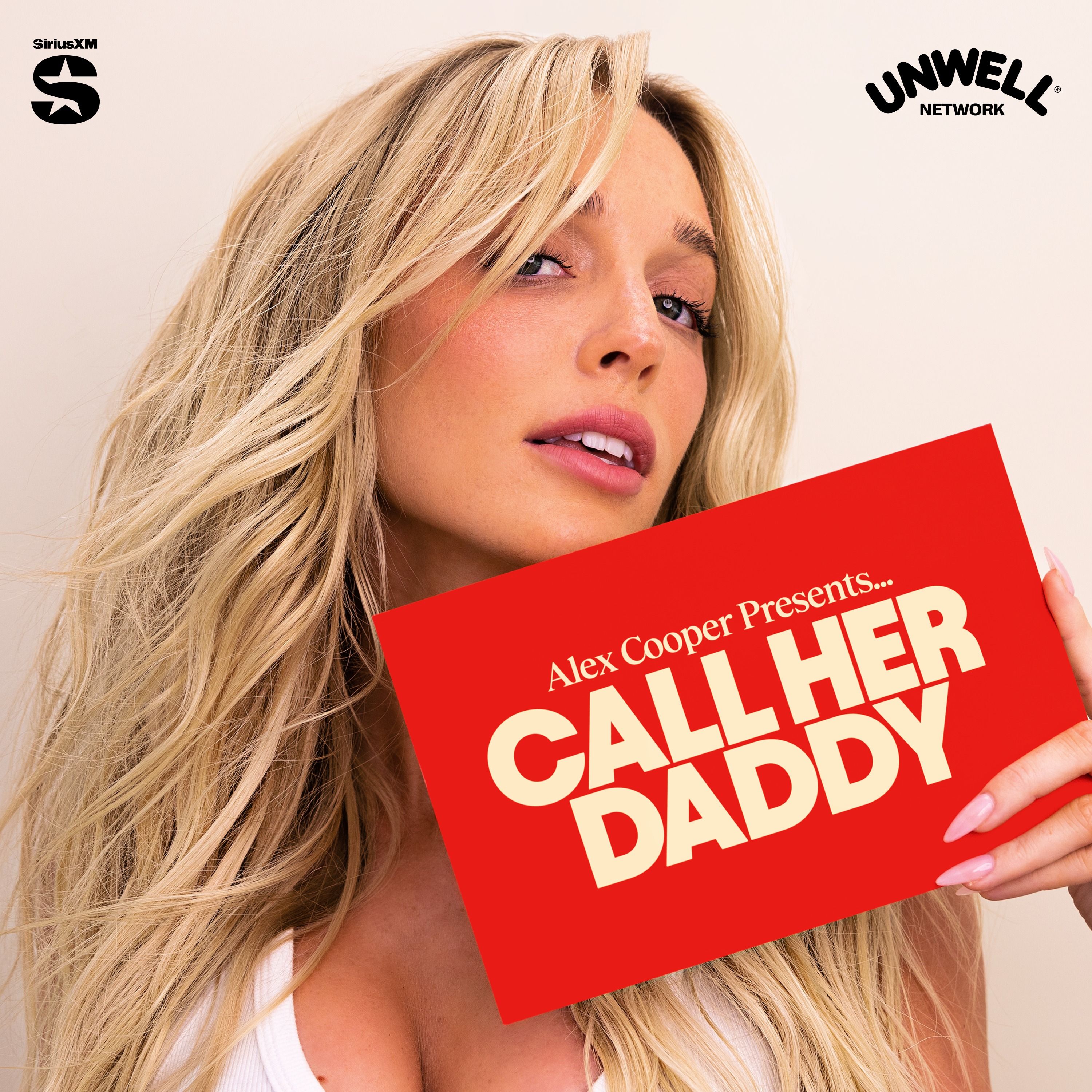
Overview of Anna Kendrick: Pitch Perfect, Twilight & Relationships (FBF)
This episode of Call Her Daddy (host Alex Cooper) features actress Anna Kendrick in a wide-ranging conversation about her career (Pitch Perfect, Twilight), personal life, filmmaking (directing Woman of the Hour), and a candid discussion of having survived an emotionally abusive relationship. The tone moves between light, personal anecdotes (chapstick obsession, cocktail-making, childhood in Maine) and heavy, instructive reflections on gaslighting, therapy, and healing.
Key topics discussed
- Career beginnings and early success
- Growing up in Maine, beginning auditions at age 10, early Broadway work, Tony nomination at 12.
- Moving to LA as a teenager instead of going to college; family reactions.
- Pitch Perfect
- Origin of the viral cup song moment (came from her audition skill), surprise at its success and a platinum record.
- Cast camaraderie: describes the Pitch Perfect ensemble as a family and longtime friendships (Brittany Snow, Rebel Wilson, etc.).
- Twilight
- Her role as Jessica, experience being on set as a peripheral observer to the global phenomenon, and how that fame affected cast members differently.
- Directing and Woman of the Hour
- How she pitched herself to direct and the pressure of stepping into directing with tight timelines.
- Film is based on a true story about a Dating Game contestant who was a serial killer; explores how women are preyed upon and how asserting oneself can increase danger.
- Stylistic choices (e.g., parking lot scene) informed by a woman’s embodied experience of fear and survival tactics.
- Alice, Darling and emotional abuse
- Anna discusses taking on darker roles and why she initially hid the film’s subject (emotional abuse) from friends and therapist—didn’t want to be talked out of the role.
- Personal disclosure: a seven-year relationship with an abrupt abusive phase lasting about a year; describes confusion, gaslighting, and how the partner convinced others (including a couples therapist) at times.
- Complexity of red flags: not all abusive situations look like the textbook examples; abusers can be convincing, and survivors often question their own memories/reality.
- Dating and personal life
- Currently single, has avoidant tendencies around dating, prefers partners who’ve been to therapy.
- Personal quirks: obsessive chapstick habit (pomegranate Burt’s Bees), gardening mint, cocktail tips (egg white foams), secret curly hair journey, high-maintenance hair.
- Personality and public perception
- Best quality: fiercely protective of friends and loved ones.
- Common misconception: her dry humor can be misread as seriousness or coldness.
Notable quotes / memorable lines
- On wanting tangible creation: “I devote my life to pretending to be another person… I don’t make anything physical. I want to make something I can hold.”
- On gaslighting and self-doubt: “If one of us is crazy it must be me.”
- On therapy and the abuser’s deception: “Sometimes the person believes they are being terrorized… the pain-place is real, and that can be very misleading and convincing.”
- On directing Woman of the Hour: “I pitched myself and I got the job… I was pushing myself off a cliff and finding out on the way down if I packed the parachute correctly.”
- On survivor shame and healing: “None of that will save you. None of that will save you” (referring to self-blame like “I should’ve known”).
Main takeaways
- Emotional abuse is often subtle and complicated: It may not match neat checklists of red flags; abusers can be deeply convincing and even gain third-party sympathy.
- Survivors frequently question their own perception and feel shame; that confusion is normal and not evidence of weakness.
- Therapy matters—Anna values partners who are in therapy (not a guarantee, but a meaningful indicator of self-awareness).
- Female perspective matters in filmmaking: directing choices—camera, tone, small behavioral beats—can change how experiences (fear, tactic behaviors) are conveyed in film.
- Community and long-term creative relationships (like the Pitch Perfect cast) can become a chosen family and are meaningful to both cast and fans.
Practical recommendations / actions for listeners
- If you suspect you’re in an emotionally abusive relationship:
- Trust discomfort: it’s valid even if it’s confusing.
- Seek external support: friends, a therapist who takes your account seriously, and trusted resources (hotlines, shelters) as needed.
- Know that therapy for both partners is not a guaranteed fix—watch for manipulation of professional authority.
- For people supporting survivors:
- Avoid victim-blaming and simplistic “why didn’t you leave?” responses; understand how manipulation works.
- Listen, validate, and help connect to professional advice/resources.
- For creatives and filmmakers:
- Consider how lived experience (gender, trauma history) informs directorial decisions; small staging/acting beats can shift audience understanding.
Films & episodes to watch / listen
- Pitch Perfect (and its “cup song” music video)
- Twilight (Anna’s role: Jessica)
- Alice, Darling (Anna’s dramatic role)
- Woman of the Hour (Anna Kendrick — actor + director; based on Dating Game true-crime story)
- Call Her Daddy episode for the full conversation (this episode)
Final notes
The interview blends light, personable anecdotes with frank, useful conversation about emotional abuse, art-making, and career navigation. Anna Kendrick’s candor about her experiences—both the absurd (cup song surprise) and the traumatic (gaslighting relationship)—offers listeners both entertainment and important context for recognizing abuse, seeking help, and understanding how personal history informs creative work.