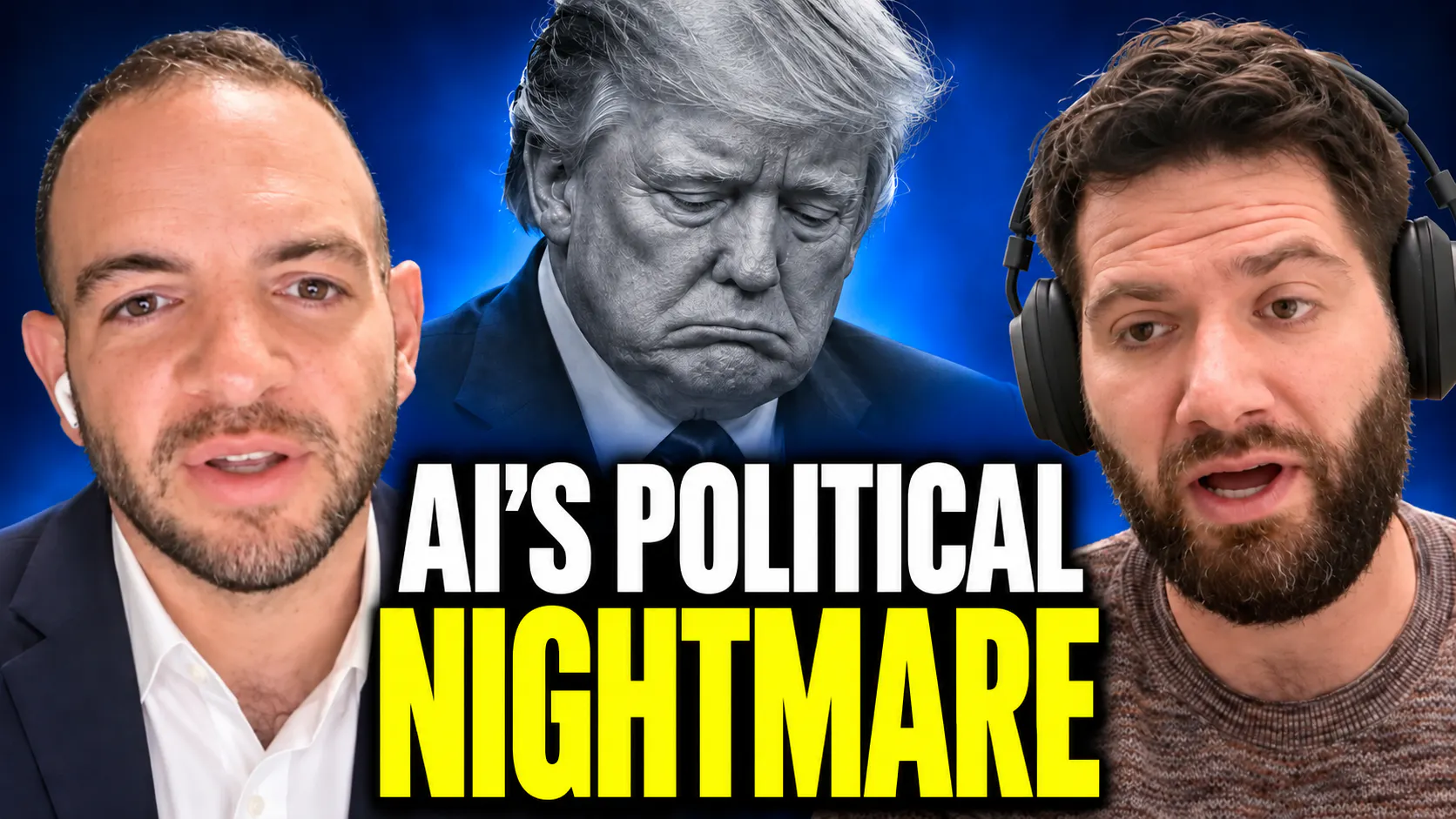
Overview of Big Technology Podcast
In this emergency episode, Alex Kantrowitz speaks with New York Times reporter Teddy Schleifer about what the Democrats’ major midterm win could mean for the AI industry, Big Tech’s political influence, and the future of data center expansion. The conversation centers on a likely shift from the relatively permissive political environment tech enjoyed in recent years to a more hostile, scrutinizing landscape—especially around AI spending, infrastructure build-out, and billionaire-backed political activity.
Key Themes and Main Takeaways
The AI industry may face a tougher political climate
- Teddy argues that the tech industry is entering a “new time” politically.
- With Democrats controlling both chambers, the industry is likely to face:
- more scrutiny
- more investigations
- more pressure around AI safety and data centers
- Even though a Republican president remains in the White House, Democrats in Congress can still create significant friction.
Data centers are becoming the flashpoint
- The episode emphasizes that AI expansion depends on physical infrastructure: compute, power, and especially data centers.
- A Washington Post report cited on the show noted that voters in at least 38 jurisdictions passed bans or restrictions on data centers.
- Teddy sees this as an emerging national backlash and a sign that the political fight over AI may narrow into a specific fight over data centers.
Big Tech’s political winds have shifted
- Teddy says tech companies are likely to spend more on lobbying and political positioning now that the environment is less favorable.
- He expects:
- more Democratic-aligned government relations hires
- a push to reframe public perception of tech companies
- more defensive political spending in the 2028 cycle
Musk, Billionaires, and the Political Backlash
Elon Musk’s big bet backfired
- Musk reportedly spent nearly $500 million on election-related efforts, making it the largest political spending by a non-candidate in history.
- Teddy calls the result a dramatic failure for Musk and the broader Republican-aligned donor effort.
- Musk’s public joking about the result suggests he knows the political operation did not go as planned.
Elon Musk could face more scrutiny
- Teddy says Musk is now much more likely to be investigated or called to testify, especially over his role in DOGE and federal-government cutbacks.
- He also notes that Democrats may see Musk as a symbol of tech power run amok.
California’s billionaire tax fight
- The episode also covers a California ballot measure proposing a one-time 5% tax on billionaires.
- Teddy says the anti-tax side, backed by major tech money, appears to have won or is at least strongly favored.
- Another related ballot measure could ban similar wealth taxes in the future, giving wealthy donors some longer-term protection.
What This Means for AI Policy
Regulation is still uncertain, but pressure is rising
- Teddy is skeptical that sweeping federal AI legislation will pass, especially with a Republican president still in office.
- But he believes Democrats now have stronger incentives to make AI a signature issue.
- The most likely outcomes are:
- more hearings
- more subpoenas
- more symbolic pressure
- possibly local/state-level barriers to data center development
The market may be overreacting
- Kantrowitz points out that tech stocks jumped sharply because investors appear to believe Democrats will curb AI infrastructure spending.
- Teddy doesn’t fully endorse the market logic but acknowledges that investors are clearly pricing in political risk.
Notable Quotes and Insights
- Teddy describes the last two years as a “bygone era” for tech politically—an unusually favorable period that may now be ending.
- He predicts “whiplash” for tech leaders who had aligned themselves closely with Trump and the Republican Party.
- On congressional scrutiny, the tone is less about policy mechanics and more about public spectacle: hearings, testimony, and political theater.
Bottom Line
This episode argues that the Democrats’ win could mark a turning point for AI politics in the U.S. The biggest immediate risks for the industry are not a sweeping federal ban, but escalating political resistance to data center expansion, more congressional scrutiny of AI leaders, and a broader backlash against the power and spending of Big Tech billionaires.