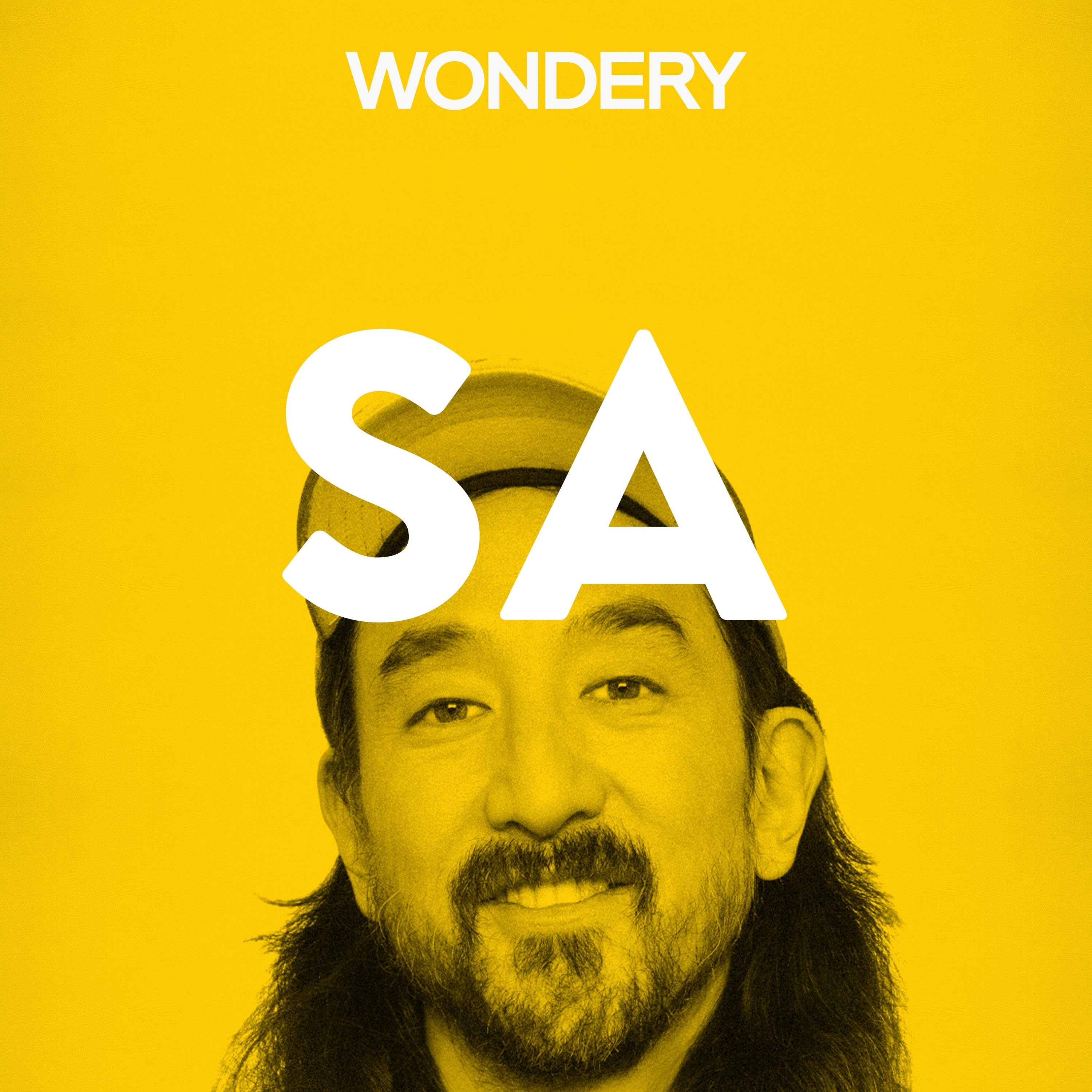
Overview of Steve Aoki on Armchair Expert
This episode is a wide-ranging conversation with Grammy-nominated DJ and producer Steve Aoki about his unlikely path from punk-rock kid to global dance-music headliner. The talk centers on his family legacy as the son of Benihana founder Rocky Aoki, the formative impact of hardcore punk on his work ethic and DIY mindset, and how that eventually led to Dim Mak, DJing, and massive touring success. The episode also closes with a thoughtful Armchair-style reflection on a fifth-grade “culmination” ceremony, which turns into a deeper conversation about childhood, rites of passage, and the cultural values schools teach.
Steve Aoki’s Family Legacy and Upbringing
- Steve talks openly about his father, Rocky Aoki, whom he describes as a legend and a showman.
- Rocky Aoki’s life story is almost unbelievable:
- Japanese wrestler who came to the U.S. in the early 1960s
- Founded Benihana
- Was an avid thrill-seeker, racer, and public personality
- Took major risks in business and life, from offshore racing to hot air ballooning
- Steve grew up in Newport Beach, even though his mother was Japanese and spoke broken English, which made him feel like an outsider in a very white, status-conscious environment.
- He says his father was emotionally demanding and hard to impress, and that he learned to bring him only good news.
- A key emotional moment: before Rocky died in 2008, he told Steve, “I don’t have to worry about you anymore.” Steve interprets that as a quiet form of approval and pride.
From Punk Rock to Dim Mak
- Steve’s real creative formation happened through punk, hardcore, and DIY culture.
- He describes being socially awkward in school, getting shuffled between schools, and finding belonging through:
- skateboarding
- punk shows
- zines
- band practice
- He went to UCSB, where he studied sociology and women’s studies, and became deeply involved in the local hardcore scene.
- During college, he built Dim Mak out of the same do-it-yourself ethos:
- putting on shows
- writing for zines
- releasing records
- learning how to create a scene from the ground up
- The label name Dim Mak came from a Bruce Lee reference: the “death touch,” a nod to mystery, martial arts, and power.
- He credits punk for teaching him that:
- you don’t need permission to create
- you can build community through art
- hustle and passion matter more than polish
The Move Into DJing and Electronic Music
- Steve explains that he didn’t begin as a traditional DJ; he started by playing records he loved and learning from friends.
- A turning point was hearing LCD Soundsystem’s “Losing My Edge,” which showed him that electronic music could be:
- hypnotic
- minimal
- DIY
- intellectually cool without requiring formal training
- He began experimenting with remixes and production, eventually building a bridge between:
- punk/hardcore
- indie rock
- electronic music
- underground hip-hop
Early Breaks
- One of his first major wins was remixing Bloc Party, which helped establish him in the indie-electronic world.
- He mentions early support from scenes in LA, Philadelphia, London, and Japan—small but influential pockets of taste-making culture.
- He later played with and alongside future stars, including Diplo and DJ AM.
Career Breakthroughs, Touring, and Mainstream Success
- Steve says 2007 was a pivotal year:
- his first Coachella set
- a growing LA party scene
- more visibility as a DJ
- He admits his first Coachella performance was bad and technically rough, but he kept getting booked.
- By the early 2010s, his career had exploded:
- Wonderland became his first solo album and earned a Grammy nomination
- he became one of the highest-grossing dance artists in North America
- he became one of the most traveled musicians in the world
- He emphasizes that he was able to handle the brutal touring lifestyle because punk had already trained him to sleep in vans, stay in random houses, and make do with very little.
- A notable story: he turned down a role in Tropic Thunder because a lucrative Philippines booking paid better and was too important to pass up at the time.
Steve Aoki’s Performance Style and Work Ethic
- Steve is famous for his high-energy live shows, including:
- crowd surfing
- acrobatic stunts
- throwing cakes into the audience
- He explains that the cake-throwing began as a deliberate, silly, and visual idea he filmed and posted himself.
- He says he has toned down some of the more dangerous stunt work over time, but the cakes remain part of his identity.
- He also notes that his Vegas residency is ideal because it gives him:
- consistency
- a home base
- creative pressure to keep making new music
- He frames Vegas as his “laboratory,” where he can test what is current and still connect with audiences.
Personal Philosophy, Sobriety, and Fatherhood
- Steve says he was straight edge through much of his youth and did not drink until around 2002.
- He has never used many hard drugs and says a scary early acid experience at 13 turned him off from psychedelics.
- He’s selective about what he tries, but remains curious about longevity, creativity, gaming, and new tech.
- He and his wife now have a baby boy named Rocky, a tribute to his father.
- He says fatherhood is exciting but also makes him think about the future of touring, since his current pace is around 200 shows a year.
- Even with all his success, he says he still loves the stage and does not feel burned out.
Closing Discussion: Fifth-Grade Culmination and Rites of Passage
The episode ends with a long Armchair-style debrief about Delta’s fifth-grade “culmination” ceremony.
What Happened
- Dax, Monica, and family attended the event.
- Dax had to loudly clarify a confusing line-up instruction from the principal, which caused some embarrassment but ultimately helped everyone find their place.
- Each child received a personalized speech from a teacher, and many parents became emotional.
Main Reflections
- The conversation becomes a deeper meditation on:
- why schools create ceremonies like this
- how public recognition shapes identity
- how childhood rituals teach cultural values
- Dax and Monica realize the event is not just sentimental—it’s a kind of social training:
- America emphasizes individuality, dreams, and standout success
- other cultures may emphasize collective harmony and different virtues
- They debate whether these ceremonies set kids up for unrealistic expectations, but also agree that the emotional acknowledgment is meaningful and beautiful.
Emotional Takeaway
- They both end up feeling that the ceremony was a genuine rite of passage:
- bittersweet
- symbolic
- deeply human
- The discussion closes on the idea that chapters end, kids grow, and these rituals matter because they help us feel the passage of time.
Key Takeaways
- Steve Aoki’s career was built on punk DIY culture, not traditional DJ pathways.
- His father Rocky Aoki was a larger-than-life figure whose ambition and showmanship deeply shaped Steve.
- Steve’s success came from combining scene-building, music curation, hustle, and relentless touring.
- He remains emotionally grounded by home, family, and fatherhood, even while living a hyper-public life.
- The episode’s closing conversation adds a thoughtful layer about how ceremonies, education, and culture shape identity from childhood onward.