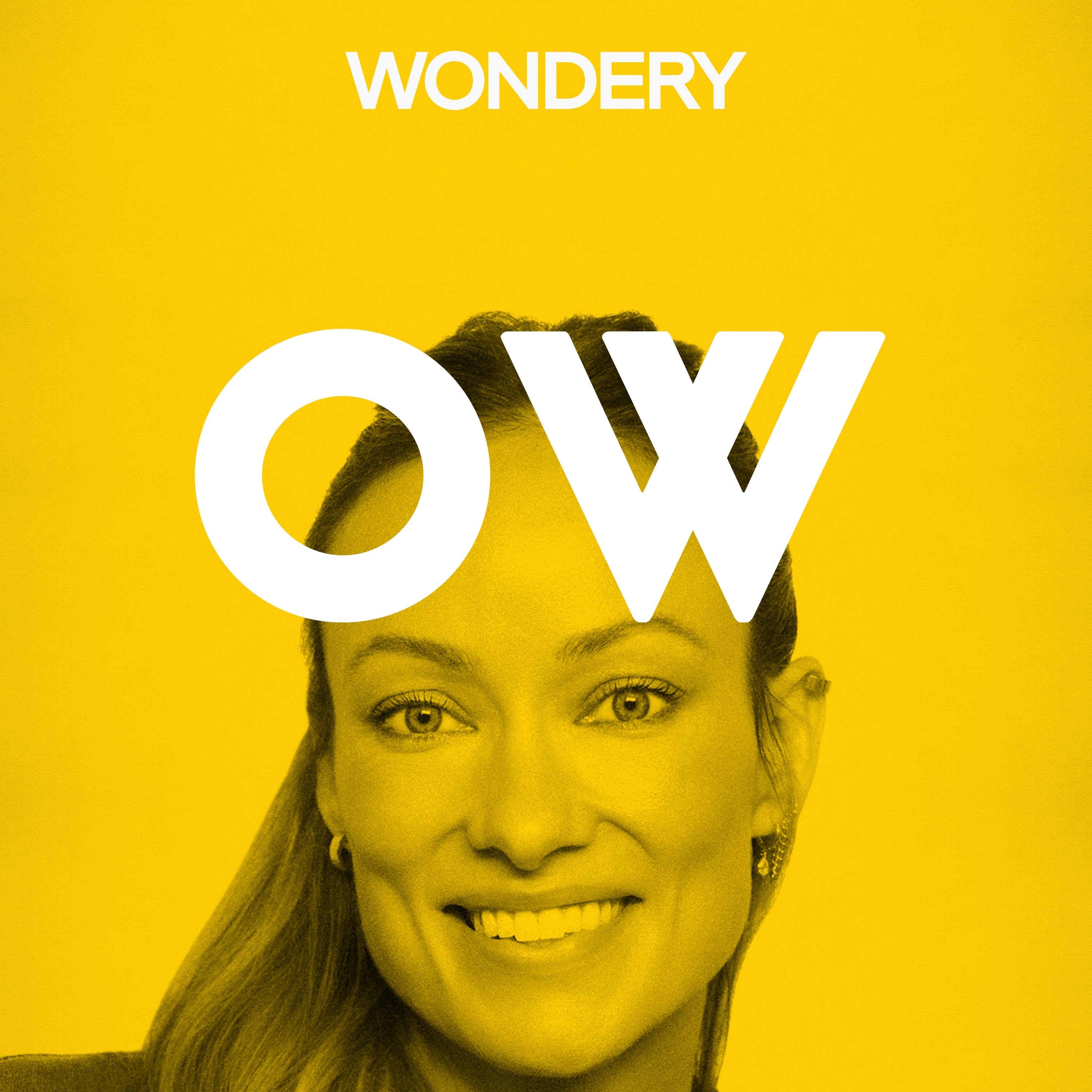
Overview of Olivia Wilde on Armchair Expert
In this wide-ranging conversation, Olivia Wilde reflects on her upbringing, the path that took her from acting to directing, and the creative philosophy behind her films. The discussion centers heavily on her newest project, The Invite (as referenced in the episode), a relationship comedy-drama she says was shaped by collaboration, emotional specificity, and a willingness to take risks. She also opens up about family, parenting, debate culture, relationship dynamics, and why she’s drawn to stories that explore desire, resentment, and reinvention.
Key Takeaways
-
Wilde’s background shaped her worldview
- She grew up between New York, Washington, D.C., and Ireland.
- Her parents were both journalists with adventurous, high-stakes careers, which normalized curiosity, questioning authority, and social energy in the household.
- She describes herself as an outsider in multiple settings: city kid, Irish summers, boarding school, and Los Angeles.
-
Her career path was unusually fast and varied
- Started as a casting assistant/intern, which gave her an early education in what makes a performance stand out.
- Broke out acting on The O.C. and House.
- Later appeared in films like Tron and Cowboys & Aliens.
- Ultimately moved into directing, where she found a stronger sense of authorship and purpose.
-
She has a strong directing identity
- Wilde emphasizes that the best films are deeply specific and personal.
- She believes the director’s job is to have a clear point of view while still allowing actors room to contribute.
- She repeatedly returns to the idea that taking risks and making bold choices is what makes a scene memorable.
-
She loves collaboration, but with a firm vision
- On The Invite, she worked closely with the cast and crew, including Seth Rogen, Edward Norton, and Penélope Cruz.
- She describes the process as highly collaborative but not chaotic—ideas were welcomed, then shaped into a single unified vision.
- She values actors who make choices rather than playing it safe.
On The Invite
Why the film mattered to her
- She says the movie is the most personal and satisfying thing she’s made so far.
- It began as a play adaptation, but she insisted the film exploit what cinema can do differently from theater.
- Her guiding question was: why turn this into a movie unless film can make it more visceral and emotionally specific?
Creative approach
- Inspired by films like Who’s Afraid of Virginia Woolf? and Mike Nichols’ ability to turn a single setting into something cinematic.
- Worked with production design, mirrors, glass, architecture, and blocking to make a one-room setting feel dynamic.
- Loved shooting in order, on film, and workshopping scenes during production to keep the emotional logic evolving naturally.
Relationship themes
- The movie explores:
- long-term relationship resentment
- stagnation
- sexual desire
- the possibility of “new relationships” within existing partnerships
- rupture and repair rather than fantasy perfection
- Wilde says the film is both romantic and cynical, and intentionally leaves the ending somewhat ambiguous.
Feminism, Sexuality, and Female Pleasure
A major part of the conversation focuses on how the film treats sex and gender dynamics.
- Wilde says she wanted the film to show female pleasure directly and honestly.
- She pushes back against the idea that nudity or eroticism is inherently anti-feminist.
- She references Esther Perel’s work on desire, jealousy, and fantasy as influential.
- Her view:
- fantasy is not the same thing as moral endorsement
- eroticism can be deeply tied to imagination and power
- women’s fantasies are often more complex and less “politically correct” than people assume
Parenting, Memory, and Family
Wilde also spends a lot of time talking about her children and how parenthood has changed her.
- She says parenting revealed capacities she didn’t know she had:
- patience
- forgiveness
- selflessness
- emotional depth
- She loves how kids absorb adult behavior:
- they learn social skills by watching grownups
- they eavesdrop, imitate, and internalize family dynamics
- She describes parenting as humbling and transformative, making her more empathetic in relationships overall.
Debate, Curiosity, and Disagreement
One of the most animated parts of the interview is her love of debate.
- Wilde argues that people have lost the skill of respectful disagreement.
- She likes the idea of a “debate dinner” where guests are assigned positions they may not personally believe.
- Her goal is not to “win” arguments but to understand other viewpoints deeply.
- She frames this as a useful life skill for parenting, relationships, and public discourse.
Notable Insights
- “The more personal something is, the better.”
- “You can have a new relationship with the same person.”
A core theme of the film, and one she connects to real-life relationships. - “Conflict isn’t the problem—it’s the inability to be honest about it and resolve it.”
- “Kids learn socializing by watching you socialize.”
- “Make the movie only you can make.”
A philosophy she ties to directing and authenticity.
Overall Impression
This episode presents Olivia Wilde as smart, playful, and highly self-aware—someone who thinks deeply about art, desire, power, and relationships. The interview is part career retrospective, part creative masterclass, and part philosophical conversation about how people love, argue, parent, and evolve. Her enthusiasm for making bold, specific work comes through clearly, especially in her discussion of The Invite, which she frames as a film about intimacy, resentment, and the possibility of change.