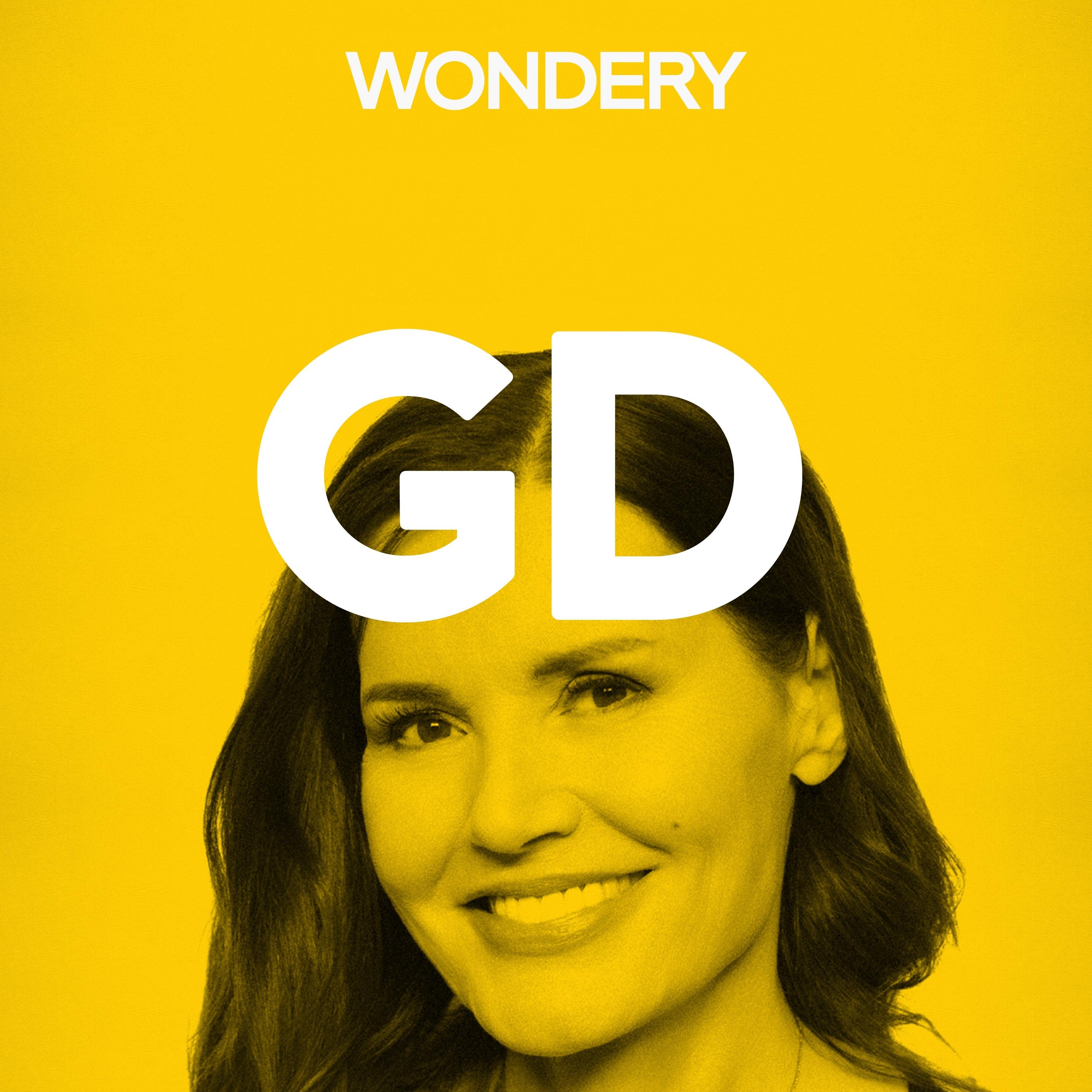
Overview of Armchair Expert with Geena Davis
Dax Shepard and Monica Padman interview Geena Davis, the Academy Award–winning actor known for Thelma & Louise, A League of Their Own, Beetlejuice, The Fly, and The Long Kiss Goodnight. The conversation spans her shy, rule-bound childhood in Massachusetts, her unlikely path from modeling to acting, the roles that changed her career, her relationship with Jeff Goldblum and other co-stars, and the unexpected way she became a major force for gender equity in children’s media. It’s a mix of Hollywood history, personal growth, and activism.
Geena Davis’s Early Life and Personality
Childhood in Massachusetts
- Grew up in Wareham, Massachusetts, a very old New England town near Plymouth.
- Described herself as:
- very shy
- self-conscious about being tall
- prone to compulsive rituals and superstition as a kid
- Her family was deeply influenced by:
- New England thrift
- church involvement
- a strong ethic of politeness and self-sacrifice
Family Values
- Her mother was nurturing, practical, and resourceful:
- grew much of the family’s produce
- canned food
- sold extra strawberries and goods locally
- Her father was a civil engineer with the Corps of Engineers and also a deacon.
- Davis reflects that her upbringing encouraged extreme politeness and being “easy” rather than assertive.
From Shy Kid to Model to Actor
Modeling as a Confidence Bridge
- After college, she moved into modeling in New York.
- She felt like she was “faking it” at first, especially since she was often in revealing shoots but wore very modest undergarments off camera.
- Modeling gave her a crucial realization: she could perform confidence, which later helped her act.
The Unexpected Break into Acting
- Her first film audition was for Tootsie.
- She was initially sent because casting was looking for models who could act.
- She had no idea she’d landed a part until she was already in Paris for runway work.
- Sidney Pollack and Dustin Hoffman were instrumental in helping her feel comfortable and teaching her how to watch dailies.
Major Career Breakthroughs
Tootsie
- Her first major film role.
- She was shocked to be in a movie at all.
- Dustin Hoffman took her under his wing and helped her understand film acting.
The Fly and Beetlejuice
- The Fly paired her with Jeff Goldblum, whom she fell for quickly.
- She later worked with Tim Burton on Beetlejuice, where she felt she “got” the movie immediately.
- Burton reportedly wanted at least one person on set who understood the project.
The Accidental Tourist
- Earned her Academy Award for the film.
- She hired an acting coach to prepare for the emotional complexity and William Hurt’s difficult energy.
- The coach helped her stop over-functioning as a people pleaser and taught her emotional boundaries.
Thelma & Louise
- A defining film and a major cultural moment.
- Ridley Scott’s direction added layers of visual detail and scale.
- Davis emphasizes that at the time, the film was controversial and often criticized as “male-bashing.”
- She and Susan Sarandon became central symbols of a movie that later came to be viewed as feminist landmark cinema.
A League of Their Own
- Another massive success.
- She and the cast, including Madonna and Tom Hanks, helped make the film a classic.
- Davis trained heavily and discovered surprising athletic ability.
- The role reinforced her image as an actor who could also physically transform for a part.
Personal Relationships and Hollywood Stories
Jeff Goldblum
- She recalls meeting him and immediately being smitten.
- They made multiple movies together and had a playful, joyful dynamic.
- Their time together was described as fun, loose, and creatively energizing.
George Clooney Story
- Davis shares a funny story of sitting next to George Clooney on a plane and joking, “Guess who he’s sitting next to?”
- Clooney later told her he’d auditioned with her for a role, which she had forgotten.
- It becomes a story about tact, embarrassment, and the way memory works in Hollywood.
The Career Setback: Cutthroat Island
Why It Matters
- Davis discusses the pain of Cutthroat Island becoming one of the biggest financial disasters in film history.
- She was married to the director, which made the failure more personally and professionally devastating.
- She describes the project as one that did not feel right from the start, but she felt pressured into it.
Lesson Learned
- The experience reinforced the importance of trusting her instincts.
- It also showed how much emotional labor is involved when spouses are both tied to a project’s outcome.
Archery and the Olympics
The Unlikely Athletic Phase
- After learning skills for film roles, Davis took up archery in real life.
- She became deeply obsessed and practiced for hours every day.
- She entered competition and eventually qualified for the Olympic trials.
Why She Loved It
- Archery gave her something objective:
- either you hit the target or you don’t
- She appreciated having a skill that wasn’t dependent on subjective opinions or career politics.
- She ultimately got close enough to attend an Olympics-related event as a semifinalist, which she describes as thrilling.
Her Activism: Gender Parity in Children’s Media
The Big Discovery
- Becoming a mother made her notice how few female characters existed in kids’ shows and films.
- She realized children are being trained from the beginning to normalize male-dominated storytelling.
Data-Driven Advocacy
- She sponsored a major research study through USC’s Annenberg School.
- The findings showed severe gender imbalance:
- far more male than female characters
- even worse imbalance among lead roles
- Her work helped change how studios think about representation.
Impact
- Davis says children’s media is now much closer to parity.
- She’s especially proud of this achievement, possibly more than anything else in her career.
Bentonville Film Festival
- She also co-founded the Bentonville Film Festival to support diversity in film and media.
The Burrow and Later-Career Work
The Show
- Davis discusses The Burrow, a series set in a wealthy retirement community.
- She likes the premise because it’s a kind of “adult camp” with structure and community.
- Her character is stylish, capable, and older without being diminished by age.
Anti-Ageism
- She notes that the show normalizes older adults as active, desirable, and fully functional.
- Dax points out how refreshing it is to see a romantic storyline with an age gap where the woman is older, reversing a common film trope.
Sabrina Carpenter at Coachella
The Viral Moment
- Davis joined Sabrina Carpenter onstage at Coachella in a Thelma & Louise-style bit.
- Susan Sarandon had done it the week before, and Davis had no idea she would be asked too.
Her Reaction
- She loved Carpenter and was charmed by the experience.
- The moment went viral, and Davis was delighted by the attention.
- She sees Carpenter and Taylor Swift as examples of women creating their own world and power structures.
Key Takeaways
- Geena Davis’s career began almost accidentally but grew through openness, talent, and willingness to learn.
- Her childhood was strict and emotionally restrictive, which shaped her people-pleasing tendencies.
- Film roles became opportunities for personal evolution: confidence, boundaries, self-advocacy, athleticism.
- Her most important off-screen legacy may be advocacy: her work on gender balance in children’s media is a major cultural contribution.
- She remains playful, curious, and deeply invested in representation, both in film and in how kids see the world.
Notable Insights
- “Apologizing for existing” was a pattern she had to unlearn.
- She learned that many of her childhood rituals and fears came from wanting control in an overly rigid environment.
- She believes older women are still underrepresented and undervalued in entertainment.
- Her activism began when she noticed, with her daughter, how imbalanced kids’ content was without anyone seeming to realize it.
Recommended Follow-Up
If you enjoyed this episode, the most relevant things to check out are:
- Geena Davis’s films: Thelma & Louise, A League of Their Own, The Fly, Beetlejuice, The Long Kiss Goodnight
- The Burrow
- The Bentonville Film Festival
- Her gender-representation advocacy work through the Geena Davis Institute on Gender in Media