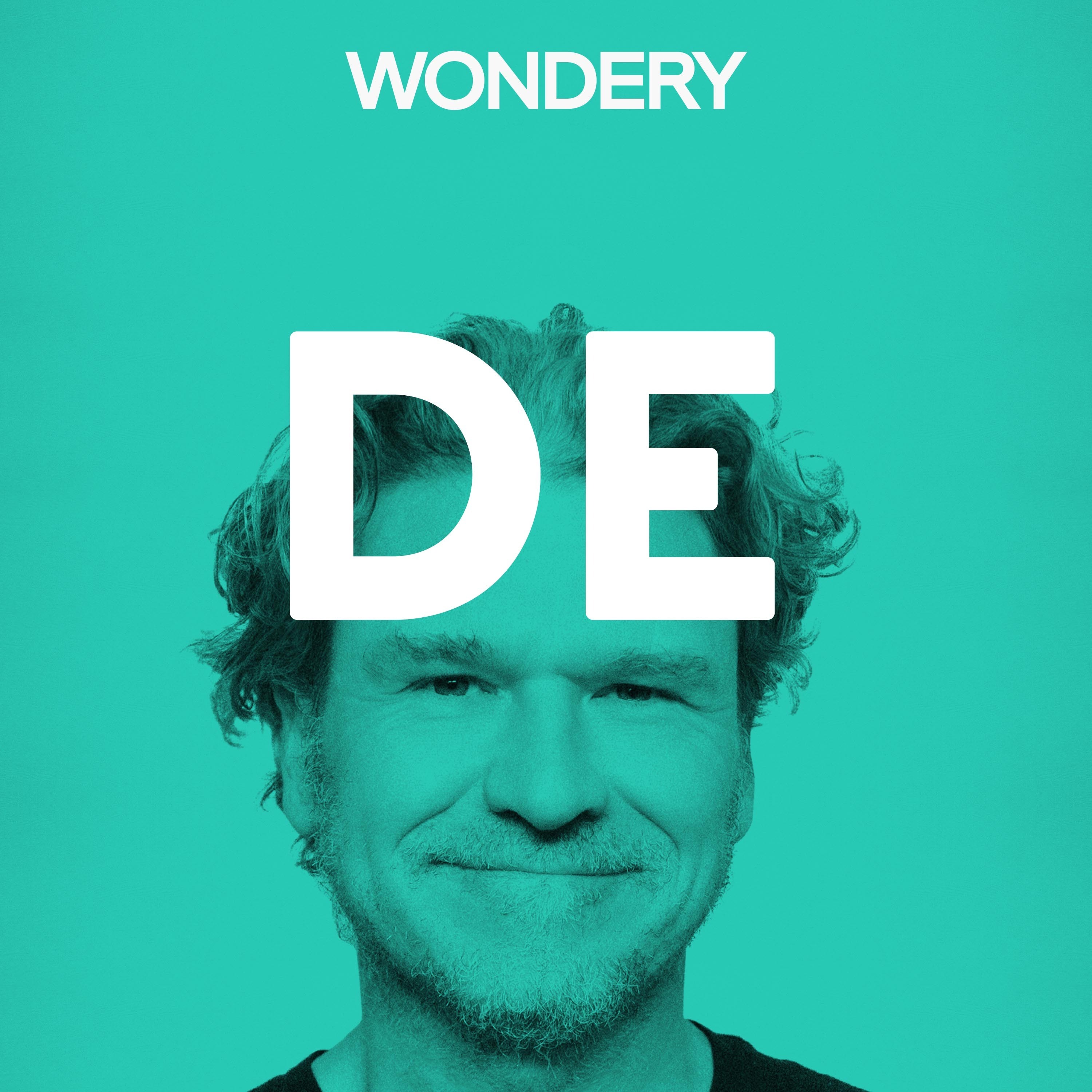
Overview of Dave Eggers (writer and publisher)
This episode of Armchair Expert features writer, publisher, and McSweeney’s founder Dave Eggers in a wide-ranging conversation about creativity, publishing, art, and the value of community. The discussion centers on his new novel, Contrapposto, while also revisiting his early life, his path into journalism and publishing, the origins of McSweeney’s and 826 Valencia, and his views on how art should be more accessible and less elitist. Eggers also reflects on why he prefers talking about ideas over his personal life and why collaborative, community-driven work matters more to him than the “lonely genius” stereotype.
Main Topics Discussed
Eggers’ background and early influences
- Grew up in the Chicago area, with family ties to Boston through his grandfather, Daniel J. McSweeney, an OB-GYN who delivered many babies and ran a home for unwed mothers.
- Credits a series of childhood school projects—especially making and illustrating books in elementary and middle school—for setting him on a creative path.
- Says he originally saw himself as a cartoonist and was heavily influenced by:
- Peanuts
- Calvin and Hobbes
- The Far Side
- Learned design, illustration, and publishing basics early through school newspapers and literary magazines.
Journalism, writing, and the move from art to writing
- Describes journalism as appealing because of its immediacy and impact versus the slower payoff of painting.
- Worked on newspapers and magazines, including early writing for Salon and later Esquire.
- Says the shift toward serious writing happened through practice and deadlines, not a single epiphany.
- Notes that first drafts are only the beginning; revision is where the real work happens.
McSweeney’s and the power of independent publishing
- Explains that McSweeney’s started as a response to corporate magazine rejection.
- The first issue was made by a tiny group operating out of a kitchen with very little money.
- Emphasizes the simple growth model:
- publish a small run,
- sell enough to fund the next,
- expand gradually.
- Likes publishing as an egoless act because it elevates other voices rather than centering himself.
- Loves experimentation with form, including issues packaged as unusual physical objects like trapper keepers and lunchboxes.
Community, collaboration, and rejecting the “lone genius” myth
- Argues that artists are often more successful when they build small creative communities rather than isolating themselves.
- Says many creative fields are sustained by a few committed people who help each other keep going.
- Gives examples from his own life and work:
- collaborative magazine publishing,
- creative partnerships,
- supportive circles of writers and artists.
- Believes isolation can be useful for drafting, but feedback and community are essential for getting work finished.
Contrapposto and the art world
- Describes the title as an art term meaning a pose with tension and balance, used to reflect the dynamic between the novel’s characters.
- Explains that the book follows Cricket, a quiet, gifted boy who finds identity through drawing and art.
- Discusses how the novel explores:
- the tension between artistic sincerity and pretension,
- the elitism of the visual art world,
- the difference between original works, prints, and the market value attached to each.
- Says art often becomes unnecessarily exclusive, while books and music are more democratic.
Childhood, identity, and the emotional value of making art
- Talks about how kids often use writing or drawing to create order from chaos.
- Says art can provide confidence, especially for children who lack control in other parts of life.
- In Contrapposto, Cricket’s basement environment with his grandfather becomes a protective, creative space where his imagination can thrive.
- Notes that the novel shows art as both a personal refuge and a way to connect socially and romantically.
Social justice, refugees, and the Lost Boys of Sudan
- Reflects on What Is the What and his longstanding relationship with Valentino Achak Deng.
- Describes the support networks that helped the Lost Boys of Sudan resettle in the U.S.
- Notes that churches and local advocates were critical in helping refugees navigate life in America.
- Emphasizes that real support is not just aid, but investment in people and communities.
- Points out that countries and regions flourish when they have peace, infrastructure, and opportunity.
826 Valencia and youth writing programs
- Discusses 826 Valencia and its sister locations as free tutoring and writing centers for kids.
- Explains that the retail fronts are a legal workaround for zoning rules, but the real mission is mentorship and literacy.
- Highlights the value of having children:
- write their stories,
- publish their work,
- learn that their voices matter.
- Says these spaces help reduce stigma and build community across neighborhoods.
Notable Insights
-
“There is no stupid, boring life.”
Eggers pushes back on the idea that his life is less interesting than others’; he sees value in everyone’s story. -
Art is most powerful when it’s accessible.
He repeatedly argues that books and music are democratic, while the visual art world too often becomes gatekept and artificially expensive. -
Success is not just talent.
He stresses that showing up, revising, and collaborating matter as much as raw ability. -
Creativity thrives in community.
Eggers rejects the myth of the isolated tortured artist and instead values a small, supportive creative circle. -
A good life is one where you enjoy the process.
He says that as he’s gotten older, he’s more focused on making work sustainable and joyful, not just externally successful.
Additional Moments
The “post-interview” chaos
- The transcript includes a long, playful after-segment where Monica and family members discuss:
- farts in classrooms,
- underwear/personal hygiene mishaps,
- Formula 1 drivers,
- and a child’s improvised song.
- It’s mostly comic banter and behind-the-scenes chaos rather than part of the Eggers interview itself.
Takeaway
This episode presents Dave Eggers as both a serious literary figure and a practical, community-minded maker. His core message is that creativity is not about mystique or suffering alone—it’s about practice, revision, humility, collaboration, and building institutions that help other people make things too.