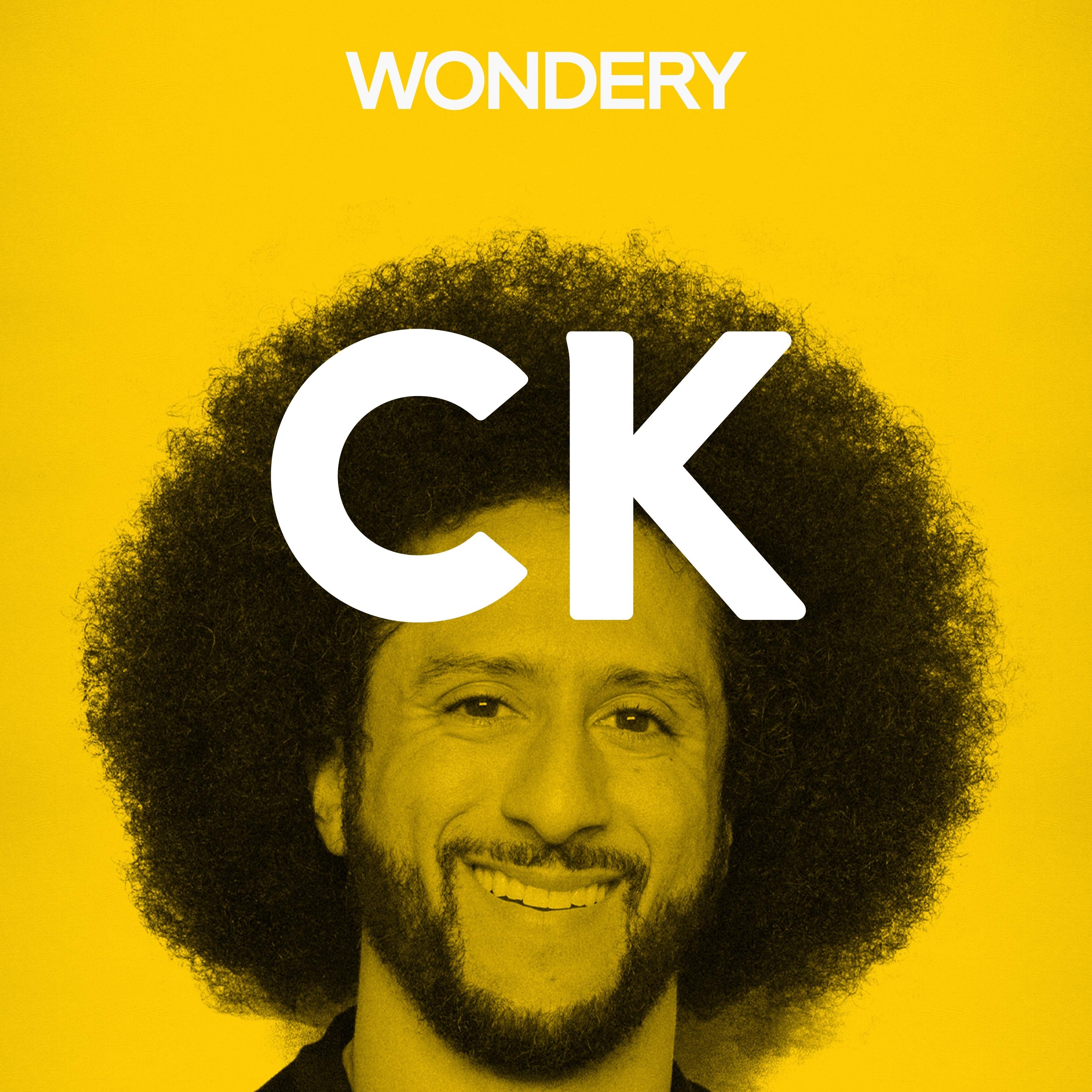
Overview of Armchair Expert’s Colin Kaepernick Episode
Dax Shepard and Monica Padman interview Colin Kaepernick about his memoir The Perilous Fight, tracing the path from his childhood as a transracial adoptee in a predominantly white Wisconsin/California upbringing to his life as an NFL quarterback, activist, and public symbol of protest. The conversation digs into identity, race, belonging, Black culture, athletic development, and the origins of his 2016 national anthem protest, while also highlighting how fatherhood has reshaped his perspective.
Colin Kaepernick’s Early Life and Racial Identity
Adoption and growing up in white spaces
- Colin was adopted at five weeks old in Milwaukee and raised by a white family in Turlock, California.
- He describes his parents as loving and well-intentioned, but ill-equipped to fully prepare him for navigating Blackness in the world.
- The book, and the conversation, emphasize the tension between being deeply loved and still being underprepared for racism.
Childhood racism and isolation
- A formative event came when, at around eight years old, neighborhood kids tied him to a rose tree and called him the N-word.
- He hid the incident from his parents, fearing they might not believe him or might blame him.
- He later reflects that the experience sharpened his pattern recognition and awareness of when something is “off” in social situations.
Finding Belonging Through Black Community and Sports
Black community as refuge
- Colin describes how meaningful it was to encounter Black adults and families who instinctively recognized what he was experiencing.
- A Black teammate’s mother and a Black hairdresser/barbershop became pivotal spaces of comfort and cultural belonging.
- The barbershop, in particular, felt like the first place where he did not have to explain himself.
Allen Iverson as an early hero
- He identifies Allen Iverson as a major influence because Iverson was unapologetically himself while still being elite.
- Similar examples in other sports included Randy Moss and Ken Griffey Jr., who pushed culture forward while excelling athletically.
- Colin says these athletes gave permission to others to be authentic, even while taking public criticism.
Football, Baseball, and the Development of a Quarterback
Why football won out
- Baseball was his stronger sport in high school, and he had serious college and MLB interest.
- Still, football offered more camaraderie and a stronger connection to Black culture, which mattered deeply to him.
- He notes the economic barriers to baseball have likely contributed to the decline in Black participation.
The combine and NFL bias
- Colin explains the NFL Combine as essentially a job interview with a mix of useful evaluations and degrading rituals.
- He describes the public weigh-in/measurement process as having unsettling parallels to slave-auction imagery.
- He also explains the racial coding of quarterback evaluations:
- White quarterbacks are described as “smart,” “field generals,” or “student of the game.”
- Black quarterbacks are more often labeled “athletic,” “raw,” or “a freak of nature.”
Proving himself on the field
- He recounts being a two-star recruit, then developing at Nevada into a standout quarterback.
- At the NFL level, he rose quickly once given the chance, eventually leading the 49ers to the Super Bowl and setting a playoff rushing record for a quarterback.
- Even then, media coverage often fixated on his appearance and race rather than his performance.
The Road to the Protest
Learning the historical context
- Colin says meeting Nessa and reading The Autobiography of Malcolm X helped him connect his lived experiences to a broader history of Black struggle and resistance.
- That historical lens expanded his understanding of figures like Malcolm X and the Black Panthers, and of moments like the 1968 Olympic Black Power salute.
How the anthem protest started
- The protest began with him sitting during the preseason anthem, initially as a response to police violence against Black people.
- His teammate Eric Reid suggested kneeling instead, both to address concerns about disrespect and to show solidarity.
- Colin explains that the move was meant to keep the focus on the issue, not on whether he was “good enough” as an individual.
Nate Boyer and the public response
- The 49ers arranged for Colin to meet former Green Beret and NFL player Nate Boyer, who wrote him an open letter.
- Boyer initially supported the kneel, but later appeared to back away from joining, which Colin says felt more like a photo op than a true alignment.
- Colin frames much of the backlash as an effort to discredit Black leadership and make the protest easier to accept when filtered through a white military voice.
Fatherhood and What Has Changed
Seeing himself in his daughter
- Colin says fatherhood made him re-examine his own story in new ways.
- He initially resisted the idea that his daughter resembled him, insisting she was her own person.
- Over time, he’s recognized in her the same stubbornness, independence, and willingness to test boundaries that he sees in himself.
Preparing his child for the world
- Because his daughter will navigate being Black, light-skinned, and carrying the Kaepernick name, he feels pressure to prepare her early.
- He describes this as a responsibility to help her face challenges she did not choose.
Key Takeaways
- Colin’s story is not just about protest; it’s about identity formation, cultural belonging, and the cost of being Black in white spaces.
- The episode underscores how sports can be both a site of exploitation and a source of community, resilience, and self-definition.
- His protest is presented not as a singular stunt, but as part of a larger historical continuum of Black resistance.
- Fatherhood has deepened his perspective, making his personal journey feel even more urgent and generational.
Post-Interview Banter and Listener-Style Aftershow
The transcript also includes a long aftershow segment with Dax and Monica recapping personal stories, mostly unrelated to Colin:
- Monica describes a wildly upgraded Vegas trip to see Metallica at the Sphere.
- She and friends end up in a suite, tour the venue, meet Lars Ulrich, and ride a bizarre bike taxi through traffic blasting Metallica.
- Dax tells a coincidence story about accidentally delivering props for a Nobody Wants This premiere party via their “Mom’s Car” Uber Eats-style podcast bit.
- Monica then shares a stressful story about a valet losing track of her car at a party, leading to anxiety, confusion, and a late departure.
Notable Facts Mentioned
- The NFL scouting combine is still described as containing degrading, non-football-related rituals.
- The U.S. national anthem’s third verse includes pro-slavery language.
- Black representation in MLB has fallen dramatically; the episode cites roughly 6.8% Black participation.
- A historical line from the episode: some Black quarterbacks intentionally ran slower 40-yard dashes to avoid being moved from quarterback to another position.
- The Nintendo/Ichiro pipeline is explained as a real business connection: Nintendo’s stake in the Mariners helped facilitate Ichiro’s move to MLB.