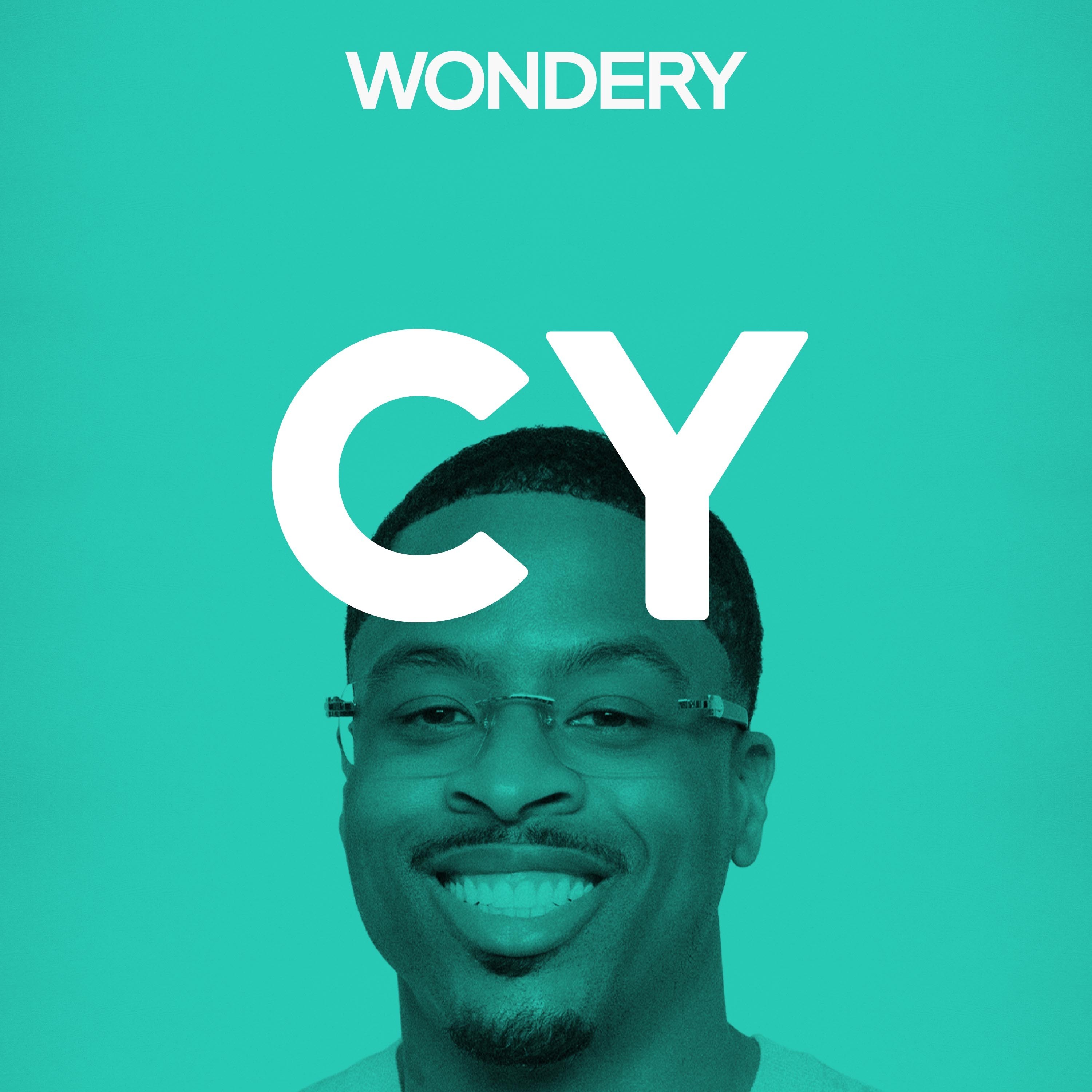
Overview of Chris Young (on being sentenced to life in prison)
This episode of Armchair Expert features Chris Young, an author, speaker, and memoirist whose life story spans childhood poverty, sickle cell disease, street life, incarceration, and eventual release after serving years under a federal life sentence for a nonviolent drug case. The conversation centers on how he survived extreme adversity, rebuilt his identity through education and self-reflection, and ultimately turned his pain into purpose. It’s framed as an intensely hopeful story about resilience, meaning, and the power of choice.
Chris Young’s Story: From Survival to Transformation
Childhood marked by instability and pain
- Chris grew up in Clarksville, Tennessee amid addiction, violence, and severe instability.
- He describes being raised by “Big Mama,” an older woman in the neighborhood who took in him and his brother.
- His mother struggled with crack/cocaine addiction and abusive relationships, creating a chaotic and often frightening home environment.
- He also lives with sickle cell disease (SC type), which caused frequent painful crises, hospitalizations, and lasting joint damage.
Street life and the loss of his brother
- Chris and his older brother Robert gradually got pulled into street life.
- He explains how poverty, neighborhood culture, and the need for survival normalized drug dealing.
- His brother became deeply involved in the streets and later died by suicide using Chris’s gun.
- That loss was one of the most traumatic moments of Chris’s life and reinforced how much violence and addiction were destroying his family.
Incarceration and intellectual awakening
- At 22, Chris was arrested in a federal sting operation and ultimately received two life sentences under mandatory federal sentencing laws.
- While awaiting sentencing and later during his prison term, he began educating himself in earnest.
- He found an encyclopedia set in the prison library and began devouring books across philosophy, psychology, and existential thought.
- A Bible verse about faith the size of a mustard seed and Viktor Frankl’s Man’s Search for Meaning became especially important to him.
- He describes prison as the place where he learned that, even when the body is imprisoned, the mind still has freedom.
Sentence reduction and release
- Chris’s case eventually drew support from major advocates, including:
- Brittany K. Barnett, the attorney who championed his case
- Judge Kevin Sharp, who was deeply moved by Chris’s sentencing speech and later resigned from the bench to oppose mandatory sentencing
- Kim Kardashian
- Alice Marie Johnson
- Brittany won a rare post-conviction motion that reduced Chris’s sentence from life to 14 years.
- During the pandemic, he remained in harsh conditions, including time in “the hole.”
- In 2021, he received clemency from President Donald Trump and walked free after about a decade incarcerated.
- Chris describes the moment of release as overwhelming—not just joy, but grief for the people he lost while imprisoned.
Main Themes and Takeaways
1. Identity is shaped by circumstance, but not fixed by it
Chris emphasizes that his environment pushed him toward the streets, but self-awareness and education gave him a way out mentally before he physically got out.
2. “I am” is powerful
A recurring idea is that the things you tell yourself become your reality. Chris explains how calling himself “Soldier C” was both a coping strategy and a form of self-programming.
3. Prison can force deep introspection
He frames prison not just as punishment, but as a place where he had to confront:
- his family history
- his role in harm
- the trauma he carried
- and what kind of man he wanted to become
4. Compassion requires context
Chris repeatedly rejects one-dimensional judgments of addiction, crime, and incarceration. He argues that people often make destructive choices from desperation, trauma, and lack of options.
5. The system is punitive, not rehabilitative
He strongly critiques mandatory sentencing and the broader prison system, arguing it fails to acknowledge humanity and instead prioritizes punishment over restoration.
Notable Insights
- On addiction: Chris reframes addiction as a disease people choose over themselves, not just over other people.
- On freedom: He defines real freedom as the ability to think, imagine, and choose—even under confinement.
- On humanity: He argues that no one should be reduced to their worst decision.
- On education: His self-directed learning in prison becomes a model of how curiosity and discipline can literally change a life.
Post-Interview Fact-Check and Banter
After the interview, Monica fact-checks and expands on a few topics:
- Sickle cell anemia: She gives the medical definition and notes how severe and misunderstood the disease can be.
- Clemency vs. pardon: She clarifies that clemency is a broader term; a pardon is one type of clemency.
- She shares the presidential pardon statistics and notes how rare large-scale clemency efforts are.
- Dax and Monica also briefly spiral into personal side conversations about:
- being misread in luxury stores
- AI failing to identify pills correctly
- Dax accidentally torching non-poisonous shrubs after AI misidentified them as poison oak
Final Takeaway
Chris Young’s episode is ultimately about survival, self-education, and redemption. It’s a story of someone who was given almost no room to become anything else, yet still found a path toward meaning, service, and hope. The memoir title, The Wound Is Where the Light Enters, captures the heart of the conversation: pain can hollow a person out, but it can also become the place where transformation begins.