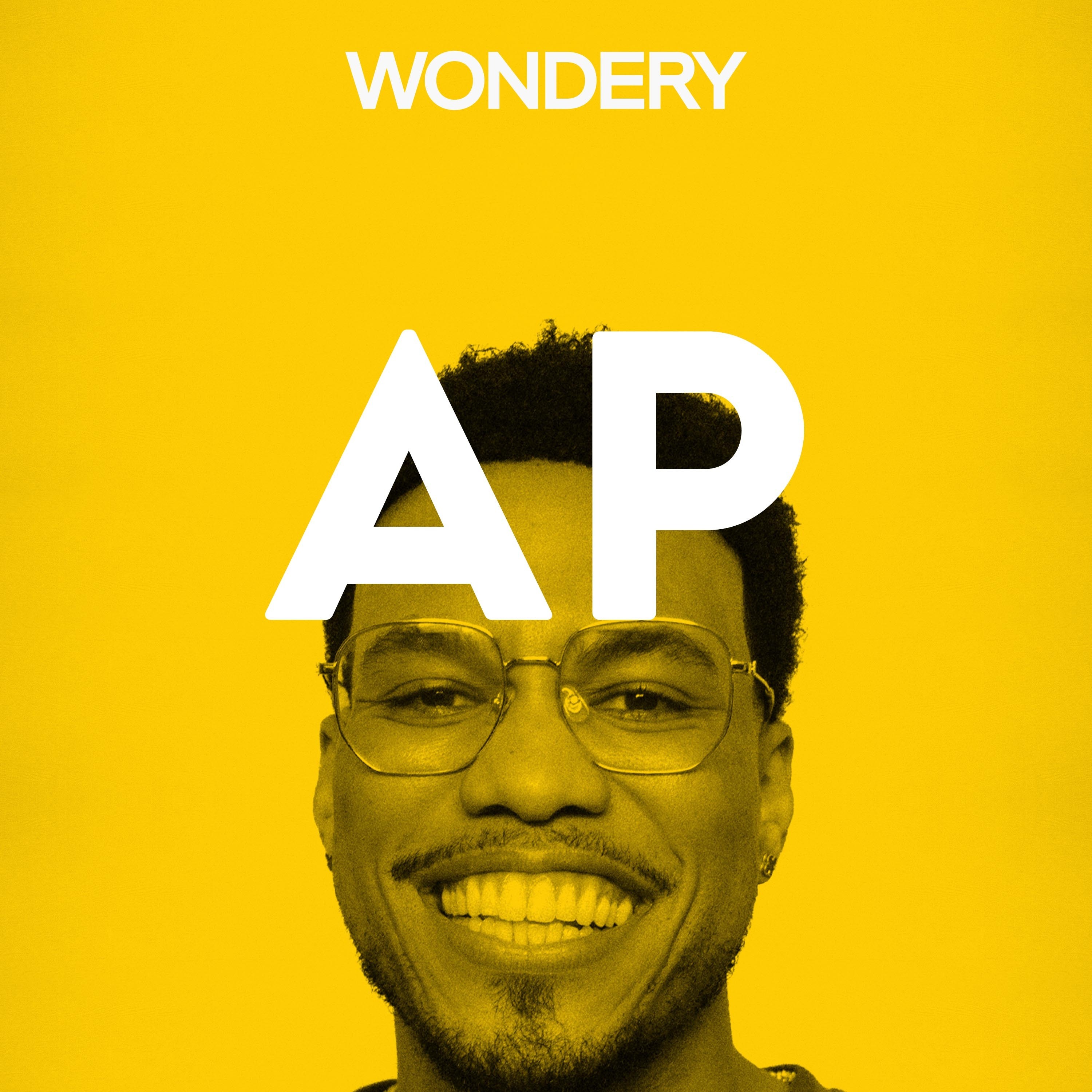
Overview of Anderson .Paak (Armchair Expert episode)
This Armchair Expert episode (hosts Dax Shepard and Monica Padman) features Anderson .Paak in a wide-ranging conversation covering his music career, family background, creative process, directing debut (K-Pops), live-performance milestones, and personal life. The interview mixes career chronology, intimate family stories, and practical inside-the-studio/directing detail — valuable for anyone who wants a compact portrait of .Paak without listening to the full episode.
Guest snapshot — who Anderson .Paak is
- Multi-hyphenate musician: drummer, singer, rapper, songwriter, record producer, bandleader (Free Nationals), and actor.
- Grammy winner (multiple Grammys across R&B/hip‑hop categories).
- Albums often follow a West-coast/beach motif: Venice, Malibu, Oxnard, Ventura.
- Recent projects: directed, co-wrote and stars in the feature film K‑Pops (released Feb 27); longtime collaborator in Silk Sonic with Bruno Mars; frequent collaborator with Dr. Dre and late Mac Miller.
Key topics covered
- Early life and family: adoption history of his mother, growing up in Oxnard/Compton, father’s addiction and prison, his mom’s strawberry‑stand business and later legal troubles.
- Musical origins: gospel drumming in church, learning to DJ, buying an MPC and bedroom beat‑making, playing live with the Free Nationals.
- Serendipitous collaborations: how Mac Miller, Dr. Dre and later Bruno Mars discovered and worked with him; the role of online collaboration (email/Twitter) vs. in‑person sessions.
- Career turning points: Venice (indie roots), meeting Dr. Dre (Compton album & six Dre tracks), Malibu acclaim, Tiny Desk performance as viral breakout, Superbowl halftime drum moment.
- Creative method: music-first approach (production and chords inform lyrics), value of collaboration, compartmentalizing songs into themed albums.
- Filmmaking: path from music videos to directing K‑Pops (motivated by his son, COVID downtime, and desire to tell a music‑centric narrative).
- Personal life & values: co‑parenting after separation, spirituality, work ethic, and taking care of family financially (first purchases included a house for his mom).
Career milestones & notable moments
Breakthroughs and exposure
- Venice (early indie project) — helped establish him in L.A.’s beat/producer scene.
- Connection with Mac Miller: “Dang” — exchanged tracks via Twitter; Mac added production/verse and helped expose .Paak.
- Dr. Dre relationship: invited to studio, placed on Dr. Dre’s Compton (six tracks), a career rocket‑boost.
- Tiny Desk Concert — viral performance that showcased him as a true live bandleader/drummer; huge leap in public recognition.
- Opened for Bruno Mars on a stadium tour — learned showmanship and large‑scale production.
- Super Bowl Halftime — photoshopped himself into promotion as a playful hustle; ultimately got the drum slot for Eminem’s “Lose Yourself.”
Recent creative leap
- K‑Pops (feature film) — .Paak directed, co‑wrote, and stars; a music‑driven, family‑centric story inspired by his son and K‑pop culture. Shot in L.A. and Korea with cameos (e.g., Earth, Wind & Fire); balancing needle‑drop licensing and original scoring was a production challenge.
Creative approach and craft insights
- Music first: production, grooves, and chord progressions often drive the lyrical and thematic choices.
- Collaboration is central: many fans find him via features (Dre, Bruno, Mac Miller, Snoop, etc.). He both writes for others and gives songs away.
- Two modes of making: remote/transactional (email/online file exchanges) and immersive in‑studio co‑creation; both have pros/cons — efficiency vs. deep artistic discovery.
- Live identity: trained as a gospel drummer — emphasis on pocket, serving the choir — this discipline underpins his live feel and energy.
- Artistic compartmentalization: creates albums by theme (location albums), saving songs for the right project/audience.
Family & personal stories (highlights)
- Mother: born in Korea after the Korean War, raised in an orphanage, adopted by African‑American military family, moved to Oxnard; later built a strawberry business that grew large but led to tax trouble and prison during Anderson’s senior year.
- Father: twin from Philadelphia, complicated life of crime and addiction, imprisoned for many years; .Paak reconciled with him when older and did emotional repair before his death.
- Children: his son is musically precocious (inspired K‑Pops); Anderson emphasizes co‑parenting and prioritizing children’s stability.
- Personal habits: spiritual/Christian upbringing, now more spiritual than doctrinal; recent moves toward healthier habits (dry January, changes to routine).
Notable quotes & soundbites
- On collaboration: “Some of the songs I don’t think are right for me — they’re better for other people.”
- On music as regulation: music was his escape and tool for coping with trauma — “It’s the drug of all drugs to be creative when you’re struggling.”
- On in‑studio work vs. remote production: “As long as the song is great, who cares how it’s done — but there’s something special about sitting in a room.”
- On career perspective: “When I was coming up I wanted to kill everything — now I don’t have to do every little thing.”
- On directing: making music videos and YouTube skits during COVID reignited his passion for film and editing.
Practical takeaways / recommended listening & viewing
- Watch K‑Pops (released Feb 27) for .Paak’s directing debut and music‑first story.
- Essential music to sample: Venice (early), Malibu (critical breakthrough), Oxnard and Ventura (later thematic albums).
- Key tracks mentioned: “Dang” (with Mac Miller), “Come Down,” “Dreamers,” “Suede,” “What More Can I Say,” “Fire in the Sky.”
- Watch his Tiny Desk performance to understand his live power and why it changed his trajectory.
- Live experience: seek out his shows (sometimes he drums; other times he fronts) and visit Andy’s (his WeHo supper club) if you’re local.
Behind‑the‑scenes nuggets and anecdotes
- He photoshopped himself into the Super Bowl poster as a hustle to get noticed — later asked and booked to drum for Eminem.
- Tiny Desk nearly didn’t happen — he was hungover and almost canceled, which would have changed his career momentum.
- He started as a church drummer (gospel training) which taught him to “play pocket” and to serve the song, not show off.
- Directing lessons: budget constraints (needle drops are expensive), scoring is delicate (he worked with a young prodigy), and he wanted to ensure the film felt like his musical DNA.
Final impressions from the episode
- Anderson .Paak is consistently presented as authentic, hardworking, and multidimensional — a musician grounded in live performance, a collaborator comfortable across genres, and an artist moving confidently into film.
- The conversation balances humor, vulnerability (family and addiction stories), and craft-level detail (production choices, directing challenges). It’s a useful single-source summary of where .Paak’s come from, how he works, and what he’s doing next.