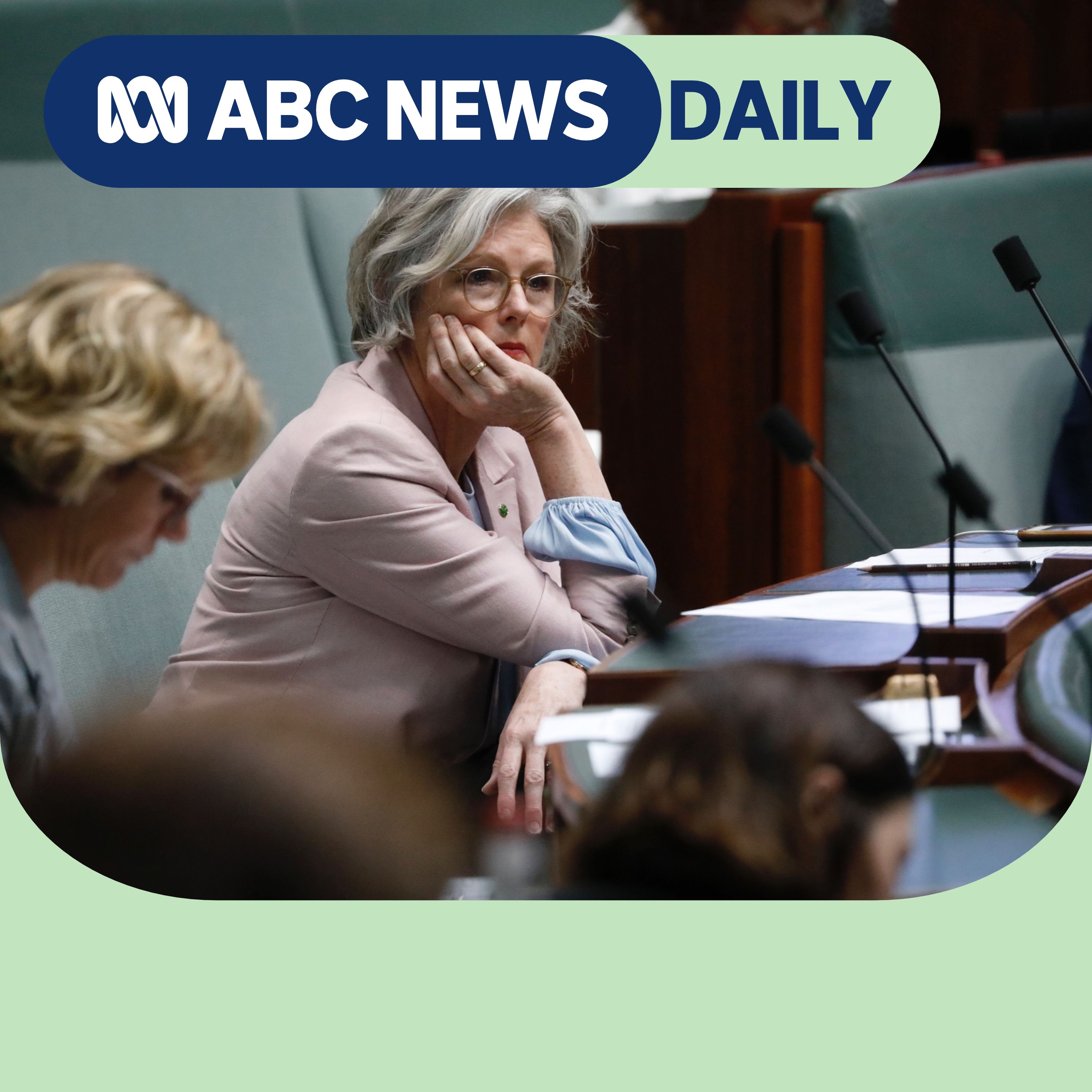
Overview of ABC News Daily on Helen Haines and hateful politics
This episode examines the violent attack on independent federal MP Helen Haines in regional Victoria and asks whether it could prompt real change in Australia’s increasingly toxic political culture. Host Sam Hawley speaks with political commentator and author Nikki Savva about the rise in threats against politicians, the disproportionate abuse directed at women in public life, and whether politicians, the media, and the public must all take responsibility for lowering the temperature.
What happened to Helen Haines
- Helen Haines was critically injured after being rammed by a car outside her electorate office in Wangaratta.
- She lost a leg and remained in Melbourne hospital in a critical but stable condition.
- Police say the attack appears to have been targeted.
- A 43-year-old man, Brendan Nugent, was arrested and charged with three offences related to the attack, along with drug charges.
- Police have not yet publicly established a motive, but say it is a major focus of the investigation.
The bigger issue: threats and abuse toward politicians
Nikki Savva argues that the attack reflects a broader and worsening environment of intimidation against elected officials.
Key points raised
- The AFP has reported growing volumes of online abuse, threatening rhetoric, and intimidation aimed at federal parliamentarians.
- AFP Commissioner Krissy Barrett has said nearly one person a week is charged for targeting Commonwealth officials.
- Women politicians are especially exposed, with Savva and others saying they receive the most vicious and personal abuse.
- Politicians increasingly have to change their routines for safety:
- avoiding posting event details in real time
- changing where they park
- altering when and how they appear in public
- limiting public announcements about local outreach
Why the Haines attack hit so hard
Savva says the attack shocked MPs because Haines was widely regarded as respectful, moderate, and not a controversial figure.
Why it resonated
- The attack happened during an ordinary, routine moment, not at a public event.
- Haines was simply unloading her car, which made the assault feel even more random and alarming.
- Her reputation as a constructive, well-liked MP made the incident feel like an attack on the “best of us,” not just on one individual.
Examples of the political climate discussed
The episode points to a pattern of inflammatory rhetoric that normalizes hostility.
Examples mentioned
- Claims that political opponents should be “stoned” in a square
- Pauline Hanson’s “no good Muslims” comment
- Lydia Thorpe’s remarks about burning down Parliament House
- A cartoon depicting Andrew Hastie as a traitor
- Pauline Hanson’s mocking of Jackie Lambie’s health issue, followed by a later apology
Savva argues that such language:
- degrades parliamentary standards
- encourages abuse from supporters and online extremists
- makes violence and harassment feel more acceptable
What Savva says needs to change
The episode frames the problem as cultural, not just operational.
Recommended responses
- Politicians should take more responsibility for the consequences of their words.
- The media should avoid amplifying conflict for attention.
- Security measures matter, but they are not enough on their own.
- Public figures should stop mimicking Trump-style political aggression.
- Ordinary Australians should stay engaged in politics without tolerating abuse and intimidation.
Savva also commends the AFP for taking threats more seriously under Commissioner Barrett, including the creation of a task force to pursue these cases.
Main takeaway
The episode’s central message is that the attack on Helen Haines should be treated as a wake-up call. Security upgrades can help, but they will not solve the problem unless Australia addresses the broader culture of hostility in politics. Savva’s view is that if politicians, media figures, and the public do not actively push back, the situation will only worsen.
Credits
- Host: Sam Hawley
- Guest: Nikki Savva, political commentator and author
- Produced by: Ilaria Brophy and Louise Mylan
- Audio production: Sam Dunn
- Supervising producer: Sydney Pead