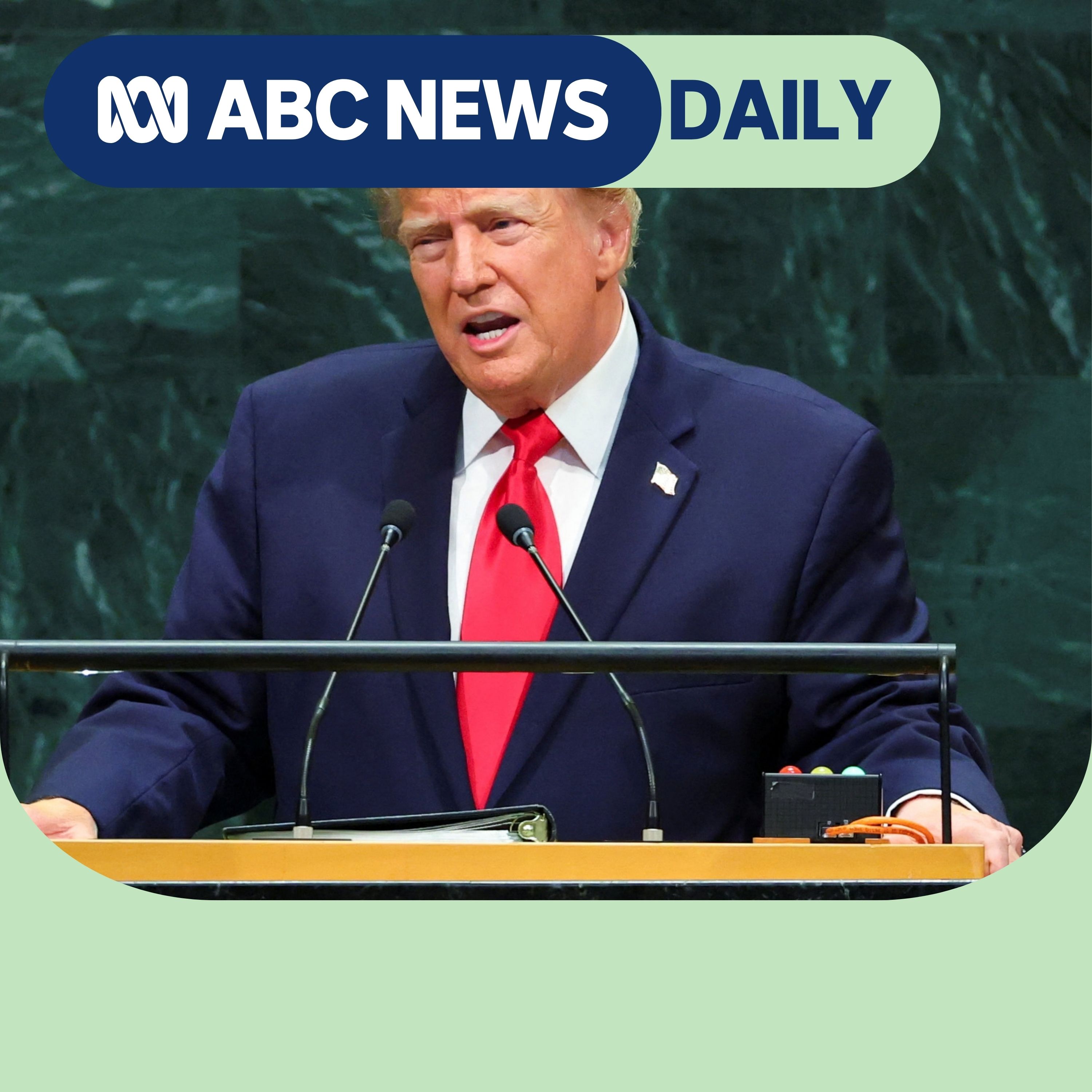
Overview of Will America watch Trump TV?
This episode of ABC News Daily examines Donald Trump’s escalating conflict with the American press, focusing on his decision to bar CNN, Politico, and MS NOW from the White House press pool and the resulting boycott by major outlets. The discussion with Clayton Weimers, Executive Director for North America at Reporters Without Borders, explores whether Trump’s new “Trump TV” livestream can replace traditional media coverage, and what his broader efforts mean for press freedom, public accountability, and access to information.
What Happened This Week
White House media ban
- Trump barred three outlets from White House access, prompting them to quickly file a lawsuit.
- The move disrupted the press pool system, which is how major outlets share limited camera and reporting access at the White House and on Air Force One.
- Because CNN was supposed to provide the TV pool that day, the ban meant there was no official independent video and audio feed of Trump’s public event.
A bizarre consequence
- During a White House ribbon-cutting for a new helipad, cameras captured Trump but audio was missing, leaving reporters unable to hear him properly.
- The episode highlighted how the ban immediately affected coverage and public transparency.
Main Themes and Arguments
Trump’s war on the press has become more than rhetoric
- Trump has attacked the media for years, but Weimers argues that the second Trump presidency has brought concrete actions, not just insults.
- These actions include bans, legal pressure, and attempts to reshape media ownership and access.
Viewpoint discrimination and legal concerns
- Weimers says the White House ban is likely unconstitutional, because the government cannot exclude outlets simply for unfavorable coverage.
- He notes that courts have long rejected viewpoint discrimination by the state.
- The outlets’ lawsuit is seen as strong, though the immediate impact is already being felt.
A pattern of control
- Trump’s behavior is framed as a long-standing effort to control the narrative.
- Weimers says Trump has a history of reacting badly when things are going poorly for him, and that his press attacks are often instinctive rather than strategic.
- The comparison to state-controlled media was raised, with concern that Trump appears to admire, rather than oppose, authoritarian-style information control.
Media Power, Solidarity, and Resistance
The press has pushed back
- CNN, Politico, and MS NOW moved quickly to sue.
- Other outlets reportedly refused to take over pool duties after CNN was excluded.
- Even Fox News joined in suspending pool coverage, showing unusual cross-ideological solidarity.
Why the pool matters
- The White House press pool is not just for journalists; it serves the public’s right to know.
- If the pool is weakened, coverage becomes less comprehensive for everyone, including international audiences.
Trump TV and the Push for Alternative Media
Trump launches his own livestream
- In response to the media boycott, Trump launched Trump TV, a 24/7 YouTube livestream intended to showcase administration events.
- Weimers was skeptical, saying the audience numbers appeared very low and that most Americans do not want government-controlled media.
Truth Social as a precedent
- The episode compares Trump TV to Truth Social, which Trump used after being banned from Twitter.
- Weimers argues that Truth Social has not proven to be a robust or broadly successful media model.
Broader Implications
Who loses when the government fights the press?
- Weimers’ central point: everyone loses.
- Journalists are described as the public’s “eyes and ears” at the White House.
- Reducing access to journalists means reducing access to accurate information about the U.S. presidency, which is portrayed as one of the most consequential offices in the world.
Global relevance
- The episode stresses that this is not just an American issue.
- Because U.S. presidential decisions affect the world, limiting press access has global consequences.
Notable Takeaways
- Trump’s clashes with the media have moved from rhetoric to real institutional pressure.
- The White House ban on outlets may be legally vulnerable, but it can still cause immediate damage to coverage.
- The media response has shown rare cross-outlet solidarity.
- Trump TV is presented as an attempt to bypass traditional journalism, but its long-term viability is doubtful.
- The episode argues that press freedom is not a privilege for journalists, but a public interest issue.
Key Quote/Idea
“They are our eyes and ears… the public relies on them.”
This captures the episode’s core message: when the press is restricted, the public is the one that loses access to power.