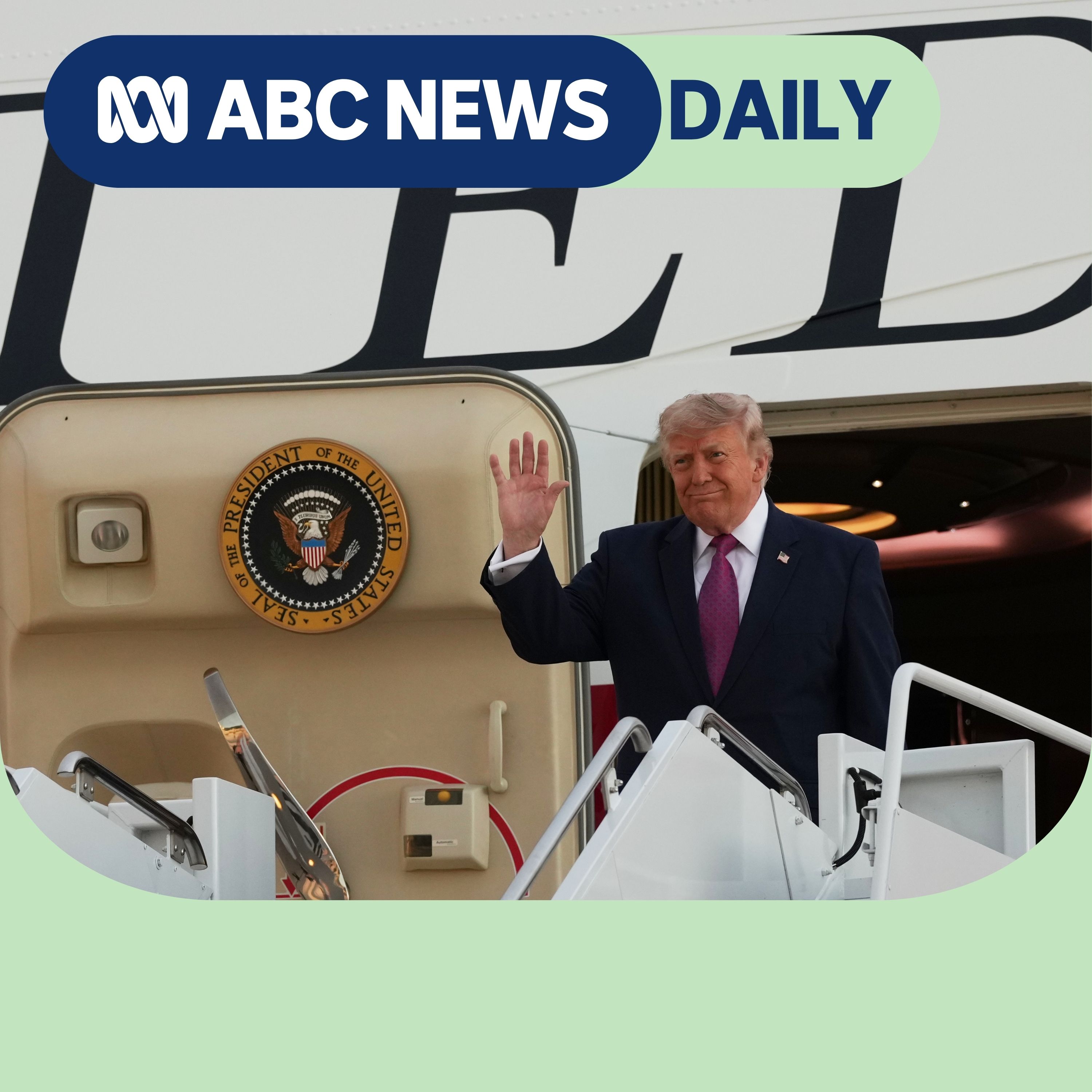
Overview of Why Trump's so sensitive about Air Force One
This episode of ABC News Daily examines Donald Trump’s reaction to reporting about the Qatari-donated 747 being used as a temporary Air Force One, and how that story connects to a broader crackdown on the press. Guest David A. Graham of The Atlantic explains the security concerns around the plane, Trump’s effort to spin away negative coverage, and the Justice Department’s move to subpoena journalists in an attempt to identify leakers.
Key Points
The Qatari plane and Trump’s impatience
- Trump has long complained that the official Air Force One fleet is outdated and slow to replace.
- He accepted a retrofitted Boeing 747 from Qatar, describing it as a “free plane” and saying it would be foolish to refuse.
- The gift immediately raised ethical and legal questions:
- Was it a gift to the U.S. government or to Trump personally?
- Could it eventually end up in his presidential library/museum?
- What obligations, if any, would come with accepting such a large gift from a foreign government?
Security concerns forced a switch back to the older plane
- The main issue was whether the new plane had been fully secured and equipped with the necessary defense systems.
- Air Force One requires highly specialized communications and anti-missile protections, and some of that work reportedly was not yet complete.
- After Trump flew on the newer plane, security officials decided he should return on the older, safer aircraft rather than risk flying home on the Qatari one.
- Trump publicly claimed the plane was being flown to Europe so military personnel could see it, which Graham interprets as an attempt to save face.
Trump’s response to negative coverage
- Trump is described as being especially sensitive to leaks and unfavorable reporting.
- He tends to frame criticism as disloyalty or even “treason.”
- The episode notes that he reportedly handed press clippings about Iran to Todd Blanche with the word “treason” written on them.
The Justice Department’s response: subpoenas for reporters
- The New York Times reported that four of its journalists were subpoenaed by the Justice Department.
- The goal appears to be identifying who leaked information about the plane’s security vulnerabilities.
- The Justice Department argues the reporters are not targets, but material witnesses.
- Graham says this is a serious press-freedom issue because forcing reporters to reveal sources is a major escalation, even if it is not unprecedented.
Todd Blanche’s Role
- Todd Blanche, now acting attorney general, is a central figure in the response.
- He is a former personal lawyer for Trump and has a close relationship with the president.
- The episode suggests Blanche has been far more willing than his predecessor to cross lines that previous Justice Department leaders might have avoided.
- His public defense of subpoenas against journalists reflects a view of the department as aligned closely with Trump’s personal interests.
Why It Matters
- The Air Force One story is not just about one plane; it raises broader concerns about:
- Foreign gifts to a president
- Taxpayer costs for retrofitting and securing the aircraft
- Presidential safety
- The erosion of press freedom
- The politicization of the Justice Department
- Graham argues there is no such thing as a “free plane” because hidden costs and consequences always follow.
Notable Takeaway
- Trump’s behavior may no longer be surprising, but the episode argues it still has real consequences.
- The long-term damage could include:
- weakened norms around foreign gifts,
- increased pressure on journalists and sources,
- and a diminished sense of security and prestige around Air Force One itself.