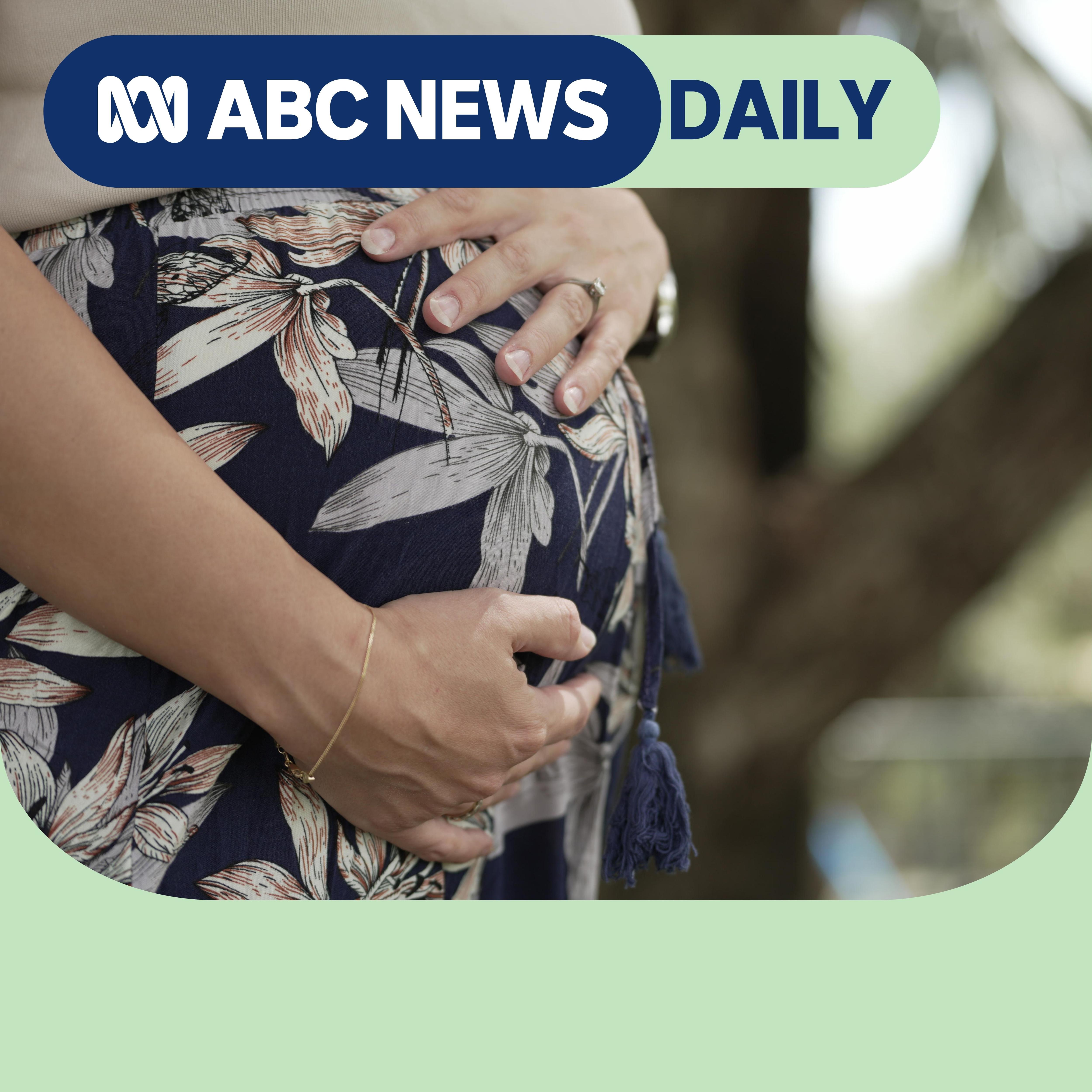
Overview of Why pregnancy is still costing women their jobs
ABC News Daily, featuring reporter Avani Dias, examines a troubling rise in pregnancy discrimination in Australian workplaces. Through cases investigated for Four Corners, the episode shows how pregnant employees are being pushed out, demoted, denied flexible work, or forced into redundancies—despite decades of anti-discrimination laws. The discussion highlights systemic gaps in workplace protections, the emotional and financial pressure on affected women, and why many cases never become public.
Key examples from the investigation
Alicia Warner: senior public servant denied flexibility
- Alicia Warner, a senior executive in the Department of Home Affairs, had previously worked compressed hours after becoming a parent.
- When she sought the same arrangement after parental leave, she was told senior executives “cannot work flexibly.”
- She says she was offered little practical justification and was effectively forced into a voluntary redundancy.
- Alicia took her case to the Fair Work Commission, but mediation failed and she chose not to escalate further because of stress and legal costs.
Abby McCauley: real estate worker dismissed after raising pregnancy needs
- Abby McCauley told her employer at Ray White Brunswick she was pregnant early in the job.
- During first-trimester morning sickness, she asked to work from home briefly but was refused under a new 24-hour notice rule.
- Soon after, she was suddenly terminated, first told it was due to a restructure and then later told it was for performance reasons.
- Abby is now pursuing the matter through the federal court with legal support.
What the investigation found
- Pregnancy discrimination is not an isolated issue; it appears to be a recurring pattern across industries and levels of seniority.
- The Australian Human Rights Commission recorded its highest number of pregnancy discrimination complaints in over a decade.
- A 2014 national study found 1 in 2 mothers reported experiencing pregnancy discrimination, but 91% did not make a formal complaint.
- JobWatch, an employment rights service, said it received more than 600 calls in one financial year from working mothers experiencing pregnancy-related discrimination.
Why these cases are so hard to challenge
Fear, stress, and cost
- Many women do not pursue complaints because they are already vulnerable during pregnancy or early motherhood.
- Legal action is expensive, time-consuming, and emotionally draining.
- Settlements are often confidential, which limits public awareness and makes the problem harder to measure.
Non-disclosure agreements
- Many women who settle claims sign NDAs, preventing them from speaking publicly.
- Lawyers say this secrecy hides the scale of the problem and slows reform.
The legal loopholes and policy concerns
Sex Discrimination Commissioner Anna Cody argues that Australia’s laws are outdated and contain major loopholes:
- Indirect discrimination: workplace rules that appear neutral but disproportionately disadvantage pregnant workers or mothers.
- The 12-month rule: employees generally need 12 months of service to access certain statutory unpaid parental leave rights, which can leave newer workers exposed.
- Flexible work protections: current laws may not adequately reflect modern families, where two incomes are often essential.
The episode also notes that these issues have been flagged for years in prior reviews and inquiries, but reform has been slow.
Main takeaway
The episode makes clear that pregnancy discrimination remains a serious, modern workplace problem in Australia—not a relic of the past. The central message is that current laws and workplace practices are not keeping up with the realities of working families, and stronger legislative reform is needed to stop women from being penalized for having children.
Notable final point
Avani Dias and the guests stress that change requires more than better attitudes—it needs:
- stronger workplace rights,
- clearer protections against discrimination,
- fewer legal loopholes, and
- more transparency so cases cannot be quietly hidden behind NDAs.