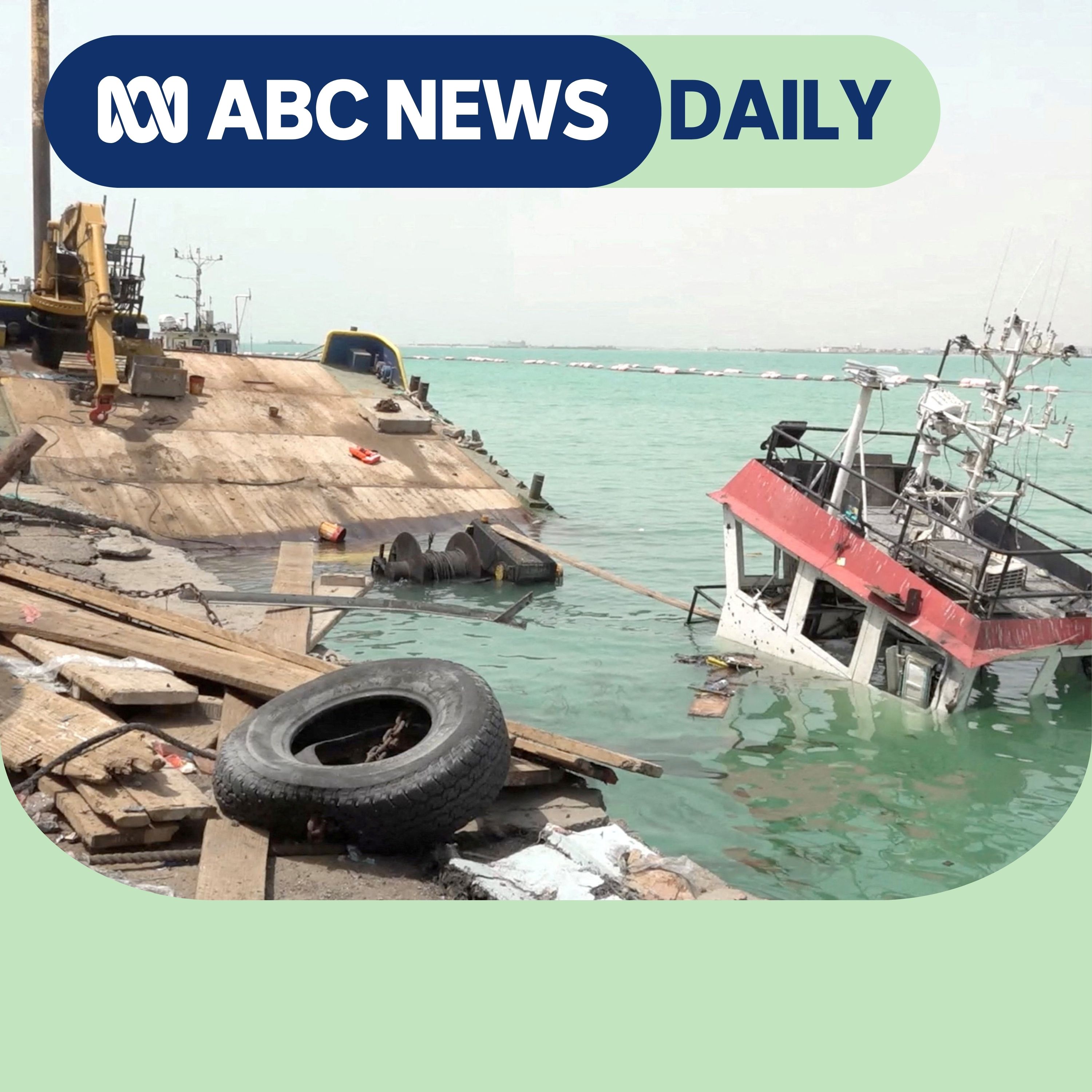
Overview of The new oil threat plaguing Trump
This episode of ABC News Daily looks at how the Iran-backed Houthi rebels in Yemen are escalating pressure on global energy and shipping routes at the same time that the Strait of Hormuz remains volatile. Host Sam Hawley speaks with former U.S. Special Envoy to Yemen Tim Lenderking about why the Red Sea is becoming another major “choke point” for oil, what the Houthis are trying to achieve, and how the situation is increasing economic and political pressure on Donald Trump and the wider U.S. administration.
Main story: a second oil shipping crisis
The discussion centers on a worsening security picture in the Middle East:
- The Strait of Hormuz has already been under threat amid conflict involving Iran.
- Now the Houthis are expanding their control in Yemen, especially around the Red Sea and the Bab al-Mandeb Strait.
- Their moves put another critical oil and shipping corridor at risk, compounding global supply concerns.
Lenderking explains that this is not just a local Yemeni conflict — it has direct consequences for fuel prices, shipping costs, groceries, and travel around the world.
What the Houthis have done
According to the episode, the Houthis have:
- Taken the port city of Mocha on Yemen’s Red Sea coast.
- Moved to strengthen their position near the Bab al-Mandeb, the narrow gateway between the Red Sea and the Indian Ocean.
- Increased their ability to threaten or attack shipping lanes without necessarily needing full physical control of the strait.
The key point is that the threat itself gives them leverage over global trade.
Why this matters for oil and global trade
Lenderking emphasizes that the Red Sea and Bab al-Mandeb are major global trade routes:
- Roughly 17% of world commerce passes through the Red Sea in normal times.
- Saudi Arabia’s east-west pipeline carries around 5 million barrels of oil per day from inland fields to Red Sea ports.
- Attacks on or disruption of these routes can directly affect energy exports from Saudi Arabia and other Gulf states.
This creates what the episode describes as a “double choke point”:
- Strait of Hormuz
- Red Sea/Bab al-Mandeb route
Why the Houthis are escalating now
Lenderking suggests the Houthis are acting now because:
- They’ve used the relative calm of the 2022 truce to build capacity.
- They have developed substantial domestic weapons and drone manufacturing capability.
- They may see a window to seize more territory and strengthen their position against Yemen’s internationally recognized government.
He says the Houthis appear to want control over all of Yemen, not just influence over strategic shipping lanes.
U.S. and Saudi response
The conversation also covers how Saudi Arabia and the U.S. might respond:
- Saudi Arabia reportedly asked for U.S. military support, but Trump has not fully committed.
- Lenderking says the U.S. is likely cautious about getting deeper into another conflict while the Strait of Hormuz crisis is unresolved.
- He argues that the U.S., Saudi Arabia, and Gulf allies should apply strong political pressure on the Houthis and prevent further territorial gains.
He also notes that the U.S. claims to be in constant contact with Saudi Arabia, the UAE, and even the Houthis, suggesting the situation is still evolving.
Political stakes for Trump
A major theme of the episode is the domestic political impact in the U.S.:
- Rising oil and fuel prices are feeding cost-of-living pressure on American voters.
- That creates added pressure on Trump heading toward the midterm elections.
- The episode suggests the Middle East conflict is now part of the domestic political calculus in Washington.
Trump is quoted as saying the war will end “after the midterms,” which the discussion frames as evidence that the conflict is politically significant for his administration.
Key takeaways
- The Houthis are escalating in Yemen, threatening shipping in the Red Sea and near the Bab al-Mandeb.
- This adds to existing fears around the Strait of Hormuz, creating a two-route energy crisis.
- The result is more pressure on global oil supplies, shipping, and consumer prices.
- The situation also increases political pressure on Donald Trump, who faces rising costs at home and strategic instability abroad.
- Lenderking’s view: the U.S. and regional allies need to deter further Houthi advances before the conflict worsens.
Notable insight
The Houthis may not need to physically control the strait to gain leverage — the ability to threaten shipping is enough to influence global markets.
Production credits
- Host: Sam Hawley
- Guest: Tim Lenderking, former U.S. Special Envoy to Yemen
- Produced by: Elaria Brophy and Louise Mylan
- Audio production: Sam Dunn
- Supervising producer: Sydney Peat