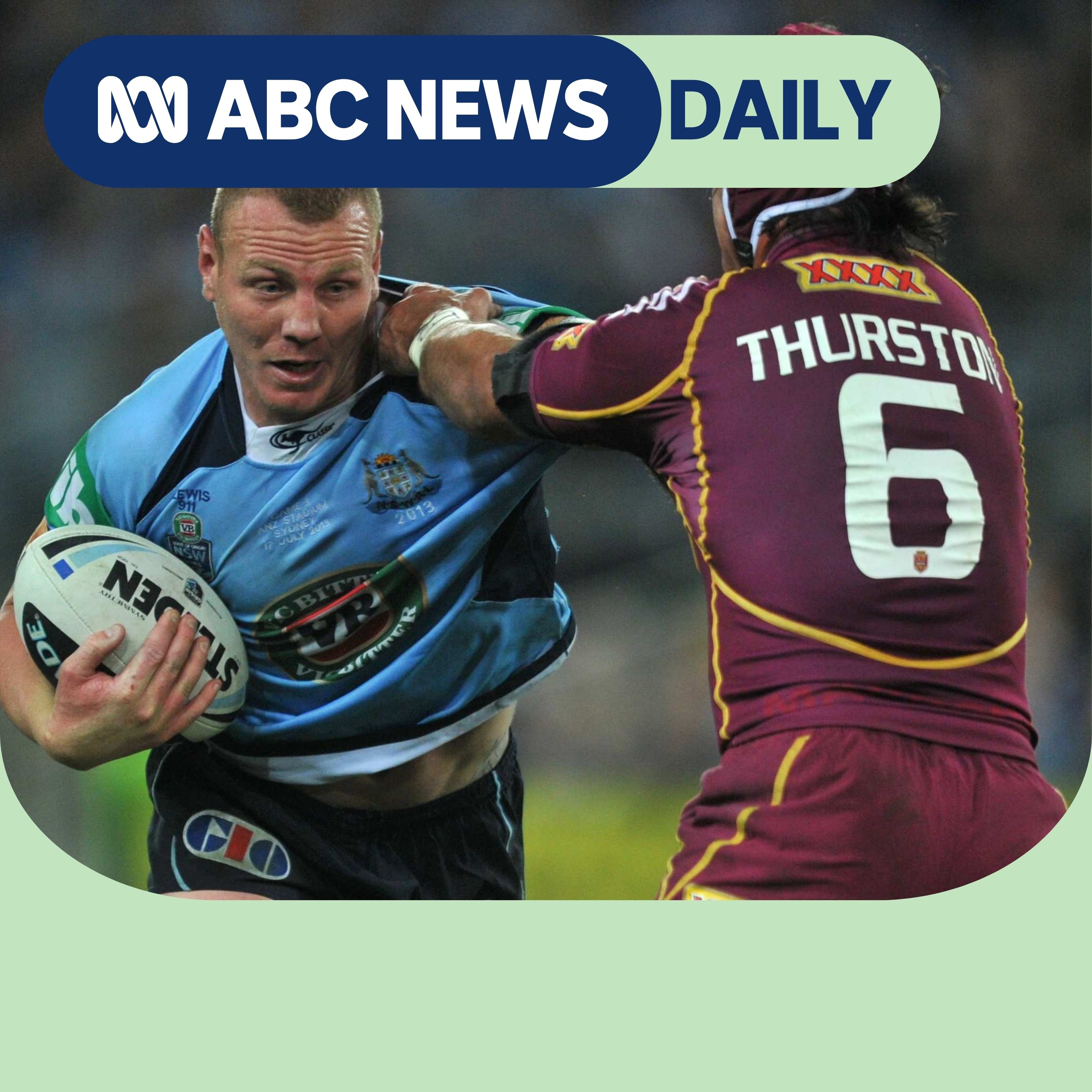
Overview of The $5.3 billion NRL game changer
This episode of ABC News Daily breaks down the record-breaking $5.3 billion, seven-year NRL broadcast deal and explains why rugby league has overtaken the AFL in media-rights value for the first time. Sports media expert Merrin Sherwood argues the NRL boosted its negotiating power through strategic rule changes, expanded content, women’s rugby league, Origin, and global ambitions — while also raising the question of who ultimately pays for these lucrative rights.
Why the NRL Deal Is a Big Deal
- The NRL’s new media agreement is the largest sports broadcast deal in Australian history.
- It is worth $5.3 billion over seven years, beating the AFL’s $4.5 billion deal.
- NRL chair Peter V’landys views it as proof the league has surpassed the AFL in broadcast value and audience appeal.
- The deal is seen as a major win for the NRL’s long-running strategy to increase the sport’s commercial worth.
How the NRL Increased Its Value
Faster, more entertaining games
- Rule changes have made matches quicker and higher scoring.
- The league has seen more tries and stronger ratings, making it more attractive to broadcasters.
More content and more games
- Future expansion is a major driver of value:
- Perth Bears are moving toward entering the competition.
- A Papua New Guinea team is being forecast for around 2028.
- A potential 20th team could add even more matches.
- More teams means more broadcast inventory — and more hours for TV and streaming platforms to sell.
The women’s game is now commercially important
- Women’s rugby league is no longer just an add-on.
- Women’s State of Origin games are drawing 2 million-plus viewers per match.
- That audience makes the women’s competition a genuine part of the rights value.
Global expansion strategy
- V’landys has pushed the NRL into new markets, especially through Las Vegas.
- The episode suggests overseas growth, while still speculative, is part of the league’s long-term value play.
What Foxtel and Nine Get
- Channel 9 keeps the free-to-air rights:
- Three games a week
- Men’s and women’s State of Origin
- The NRL Grand Final
- Foxtel / Kayo will show:
- All men’s and women’s matches live
- Except the Grand Final
- The broadcasters are largely buying what they already had — but at a much higher price because the product is now more valuable.
Who Really Pays?
Subscribers may bear the cost
- The obvious concern is that Foxtel/Kayo customers could end up paying more.
- Foxtel insisted it does not plan immediate price rises and pointed to its track record of keeping Kayo affordable.
Foxtel is carrying most of the extra cost
- Reporting cited in the episode suggests Foxtel may need to find an extra $1.8 billion to fund the deal.
- That raises questions about how much strain sports rights are putting on subscription and media businesses.
Free-to-air viewers are protected — for now
- Australia’s anti-siphoning laws help keep major sporting events on free-to-air television.
- That means some key NRL games remain accessible without a paywall.
- But the episode notes the broader concern that expensive rights deals could squeeze other sports out of visibility.
The Bigger Picture for Australian Sport
- The episode raises the long-term question: Have sports rights reached a ceiling?
- So far, the answer seems to be no — prices keep climbing because live sport remains one of the few reliable mass-audience products.
- However, the growing dominance of the NRL and AFL may mean less money and attention for other sports.
- The future will depend on:
- The health of legacy media
- The reach of broadcasters’ streaming platforms
- Whether audiences become even more fragmented over the next seven years
Key Takeaways
- The NRL has successfully turned itself into a more valuable broadcast property than the AFL.
- Strategic rule changes, more content, women’s rugby league, and international expansion all helped drive the price up.
- Broadcasters like Nine and Foxtel see the rights as too important to lose.
- The main uncertainty is who absorbs the rising cost — broadcasters, subscribers, advertisers, or the wider sports ecosystem.