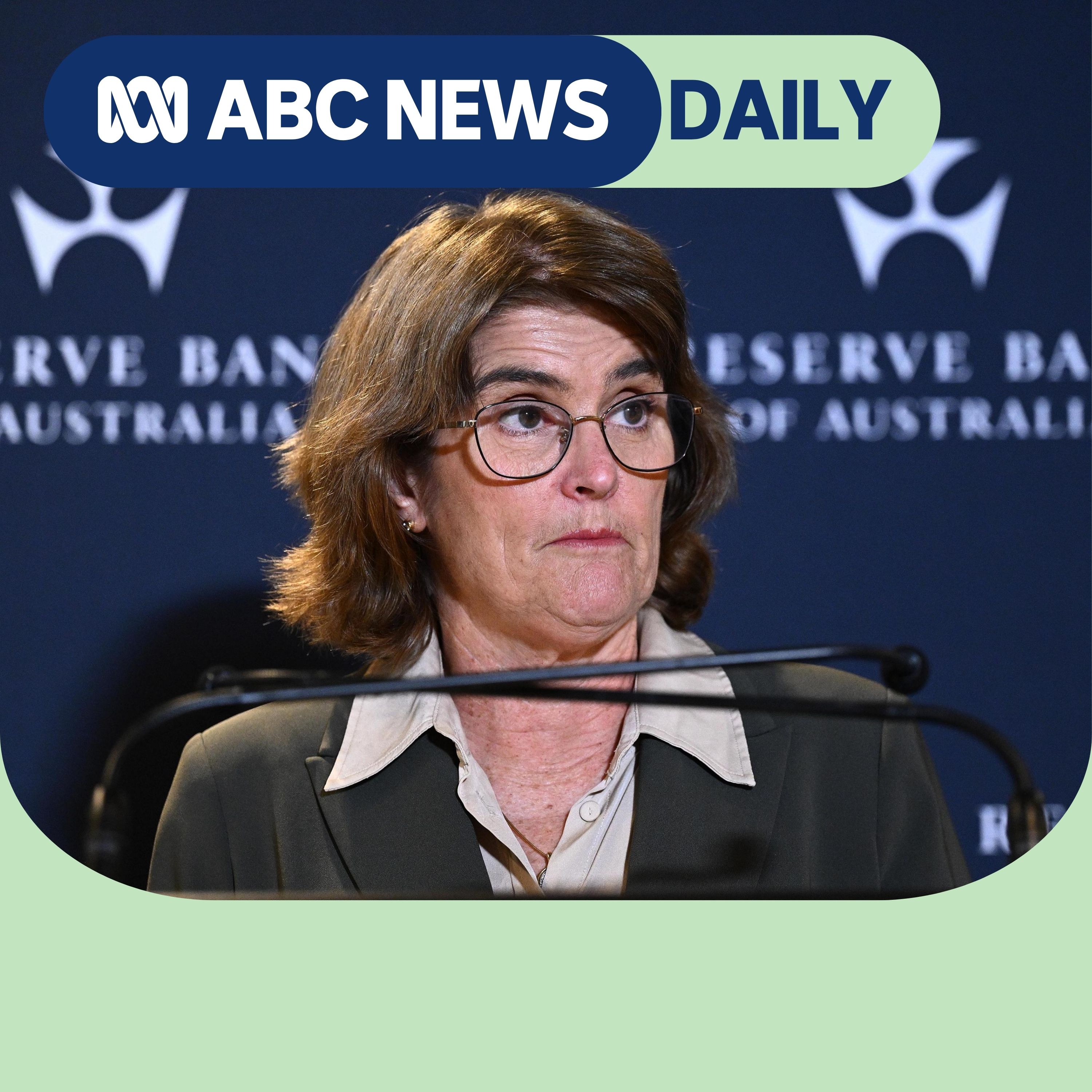
Overview of How to beat inflation without rate hikes
This ABC News Daily episode explores whether Australia could control inflation using tools other than interest rates. Host Sam Hawley speaks with independent economist Chris Richardson about the pain caused by the Reserve Bank’s third consecutive rate rise of the year, bringing the cash rate to 4.35%, and whether alternative levers like superannuation contributions, GST, income tax, government spending, or even a higher inflation target could spread the burden more evenly.
Main points discussed
Why rate hikes hurt so much
- Australia has some of the highest household debt relative to income in the world, so rate rises hit mortgage holders especially hard.
- Richardson argues that while interest rates are blunt, they remain the most effective tool currently available to reduce inflation.
- Inflation is hurting everyone through higher costs for groceries, fuel, and other essentials—not just borrowers.
Could superannuation be used to fight inflation?
- One alternative is to temporarily increase compulsory super contributions during inflation spikes.
- That would reduce take-home pay and therefore slow spending, similar to how rate hikes reduce demand.
- Richardson says this is possible in principle, but it would shift the pain from borrowers to wage earners.
What about raising the GST?
- A temporary GST increase would target shoppers instead of borrowers.
- This would reduce spending, but it would be more painful for lower-income households because GST is regressive.
- The Reserve Bank would likely ignore the immediate price impact of a GST rise when setting rates, since the goal would be to cool demand.
Why not use income tax instead?
- Income tax could also be increased during inflationary periods and later reduced.
- This would place more of the burden on higher-income earners, since Australia’s top 20% of taxpayers pay around 60% of personal income tax.
- Richardson frames all of these as different ways of choosing who bears the pain.
Government spending and taxation matter too
- Government spending can add to demand and worsen inflation; higher taxes can do the opposite.
- Both state and federal governments influence inflation, and the RBA governor has urged caution ahead of the budget.
- Governments can provide cost-of-living relief, but ideally they should offset it elsewhere to avoid adding inflationary pressure.
Are businesses the real culprit?
- Richardson says cracking down on businesses, especially supermarkets, would help somewhat but not as much as people think.
- He suggests the impact of supermarket margins on overall living standards was surprisingly small.
- Strong competition laws still matter, but business profits are not the main driver of inflation.
Should Australia raise its inflation target?
- Richardson makes the case for a slightly higher inflation target, such as 3% to 3.5%, rather than the current 2% to 3%.
- His argument is that a bit more inflation would provide a larger “bumper bar” in a world full of shocks.
- He acknowledges this is a minority view, but says it could help smooth economic volatility.
Key takeaways
- Inflation control always involves pain; the real question is how that pain is distributed.
- Interest rates currently place the heaviest burden on mortgage holders.
- Alternatives like super, GST, or income tax could spread the burden across different groups.
- Government budgets and spending decisions also play a role in inflation.
- Richardson’s bottom line: there is no magic wand, and interest rates are still probably the best overall tool, even if imperfect.
Notable insight
“You can shift the pain around, but sadly, a fight against inflation is a fight that involves pain.”
Why it matters
This episode reframes inflation control as a political and social choice, not just a technical economic one. Instead of asking only how to reduce inflation, it asks who should bear the cost—and whether Australia should think more broadly about sharing that burden across taxpayers, shoppers, wage earners, and governments.