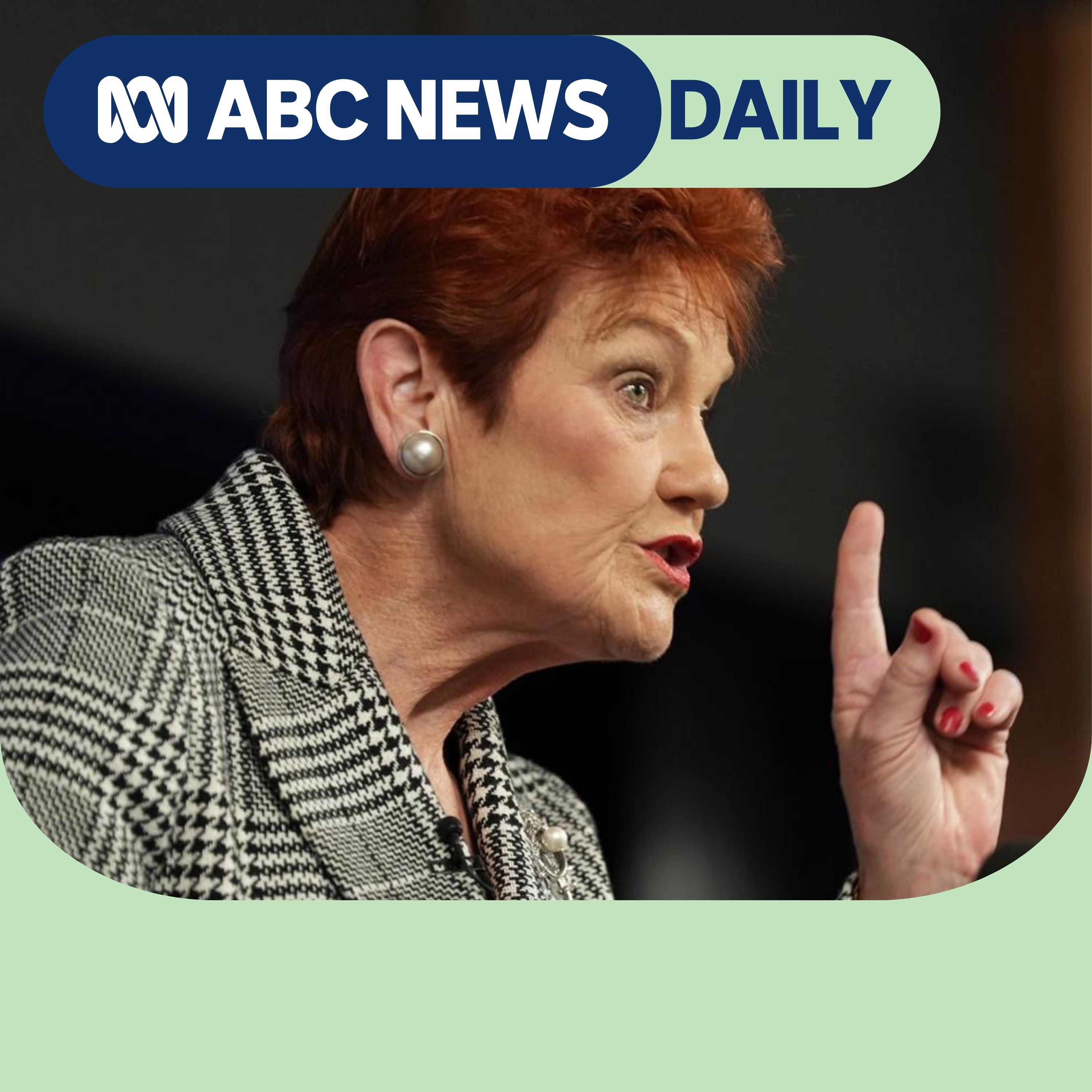
Overview of How Pauline Hanson is controlling the narrative
This ABC News Daily episode examines why Pauline Hanson has been dominating the Australian political conversation, and whether her recent surge in attention is helping or hurting her. Former Liberal strategist Tony Barry argues that Hanson is currently “running the agenda” by tapping into voter grievance and anti-establishment anger, even as her controversial Europe trip, comments on immigration and domestic violence, and talk of becoming Prime Minister expose her to new scrutiny.
Key Takeaways
Hanson’s biggest strength: controlling attention
- Hanson is benefiting from constant media and social media coverage.
- Barry says there is often a political payoff in “running the agenda,” even when the attention is negative.
- Her success is less about detailed policy and more about channeling frustration with the political system.
But there is a growing risk
- Barry argues Hanson’s shift from grievance politics to explicit policy proposals creates a “bullseye” for opponents.
- The more she looks like an insider — especially through perceived ties to wealthy donors like Gina Rinehart — the more she risks losing the outsider appeal that drives much of her support.
The Europe trip intensified scrutiny
- Hanson’s trip included controversy over:
- an interview with far-right figure Tommy Robinson,
- comments linked to the White Australia policy,
- her domestic violence remarks,
- and questions over who funded the trip.
- Barry says many One Nation supporters are not yet focused on who paid for it, but repeated attacks could eventually matter if they reinforce an “outsider becoming puppeted” narrative.
What Voters Are Responding To
Anger at the system, not just immigration
- Barry says the major parties often misread One Nation support as being mainly about immigration.
- In his research, only about 15% of One Nation voters cite immigration as the main reason for their vote.
- The bigger driver is rejection of the two-party system and a sense that the current political model has failed them.
Deep pessimism is fueling support
- Barry points to broad public mood indicators:
- 54% think Australia is heading in the wrong direction.
- 63% believe the next generation will be worse off than their parents.
- In focus groups, many respondents expressed a desire to “burn it all down” or make major changes.
- Among One Nation voters, that sentiment is especially strong:
- 35% said “burn it all down and start again”
- 49% said the system needs major change
Barnaby Joyce, the ABC, and political theater
Barnaby Joyce’s performance still plays to the base
- Joyce’s viral clash with Sarah Ferguson, including the dog interruption, is framed as part of his media style rather than a damaging moment.
- Barry says Joyce understands how to create shareable content for his supporters.
- He suggests One Nation voters are generally hostile to the ABC, so confrontations with ABC journalists can actually help with that audience.
Questions remain about how far Joyce will go
- Joyce appears aligned with Hanson on some issues but not all.
- Barry suggests he is aware of the electoral limits: if One Nation wants to compete in outer suburban seats, Hanson’s more extreme views may need moderation.
Can Hanson Become Prime Minister?
The numbers still make it difficult
- Hanson has claimed she could become Prime Minister, but Barry is skeptical about urban appeal.
- He says One Nation’s support base is still largely disconnected from major city electorates.
- In one seat-by-seat model referenced in the discussion:
- One Nation was around 50 seats
- Labor held a bare majority
- the Coalition was badly weakened
- Even so, Barry thinks One Nation’s support floor is now much higher than in the past:
- likely mid- to low-teens
- possibly around 15% or more, barring a major blunder
Major Party Response
Attacking Hanson may not be enough
- Anthony Albanese criticized “attention-seeking culture wars” and “trips around the world to talk Australia down,” without naming Hanson directly.
- Barry says this kind of response is too vague.
- He argues both major parties need to clearly define the risk Hanson poses and offer something more hopeful and substantial.
Core problem: no compelling future story
- Barry says the major parties are failing to articulate optimism or a convincing policy vision.
- That leaves space for Hanson to remain a vehicle for protest, resentment, and system rejection.
Bottom Line
- Pauline Hanson is not just surviving on controversy — she is using it strategically to dominate the political agenda.
- Her support is driven more by anti-establishment anger and pessimism than by one issue alone.
- The main threat to her momentum is not backlash over a single controversy, but whether she starts to look too much like part of the establishment she claims to oppose.
- For Labor and the Coalition, the bigger challenge is not simply attacking Hanson, but understanding why so many voters are open to a “wrecking ball” politics in the first place.