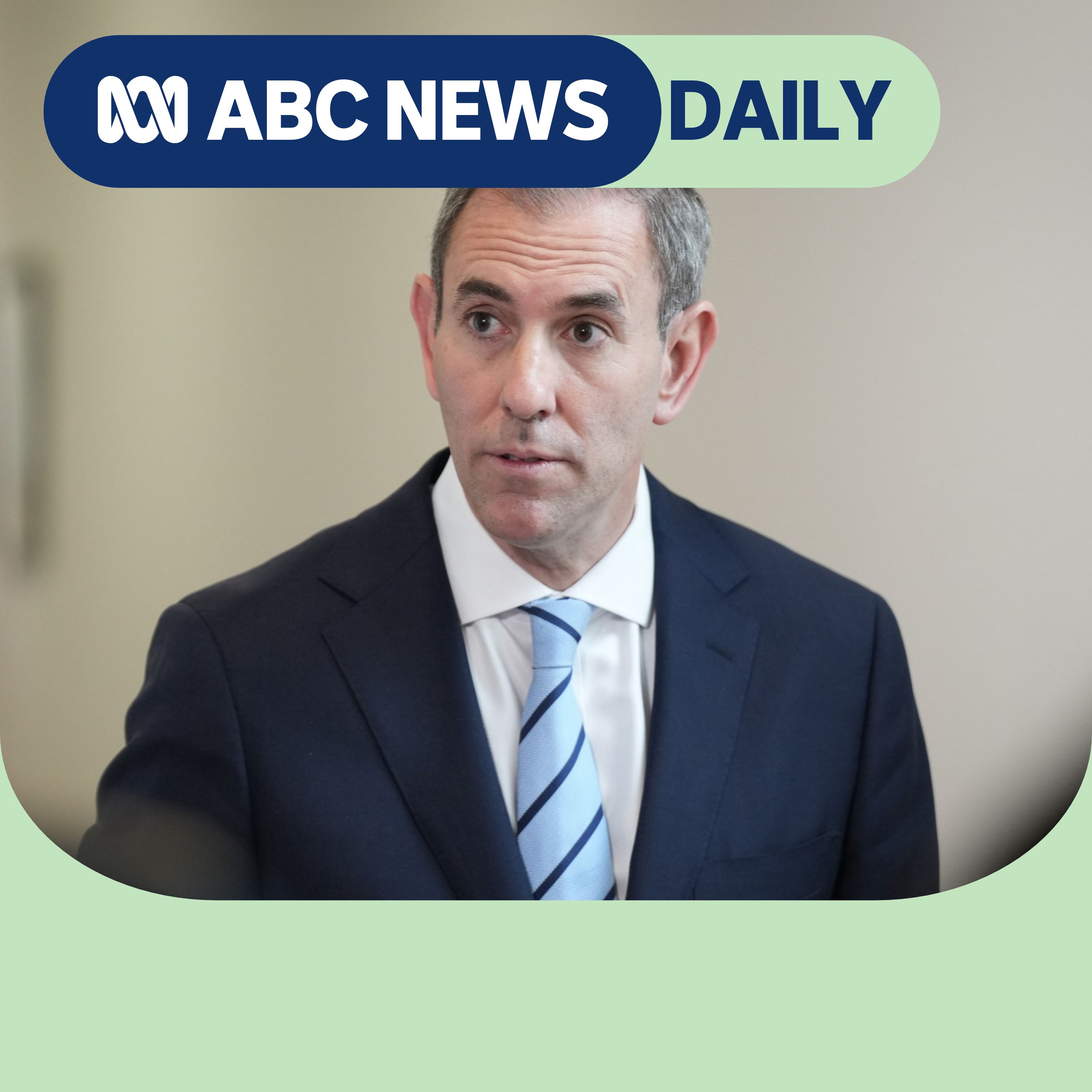
Overview of How Labor's losing the cost-of-living battle
This ABC News Daily episode examines why the Albanese government is struggling to sell its economic story amid persistent cost-of-living pressure. Host Sam Hawley speaks with Sydney Morning Herald and The Age senior economic correspondent Shane Wright about Treasurer Jim Chalmers, the politics of inflation and interest rates, and why voters are increasingly blaming Labor for the squeeze on household budgets.
Why Labor is under pressure
-
Voters are feeling the pain first-hand
- Unemployment is rising, interest rates remain elevated, fuel is expensive, and everyday goods continue to cost more.
- Polling suggests Australians are increasingly holding Anthony Albanese and Jim Chalmers responsible.
-
Chalmers is governing in a difficult period
- Wright argues this is not a “golden age” for a Treasurer.
- He points to a mix of:
- post-pandemic spending and stimulus,
- the fallout from the Russia-Ukraine war,
- broader inflationary pressures,
- and the end of the era of ultra-low interest rates.
-
Politics, not just economics, is the problem
- Wright says Chalmers’ job is not just to do big reforms, but to make them politically manageable.
- On that front, he says the Treasurer is failing to control the narrative.
Tax reform, internal tensions, and political backlash
- The government is pushing through real tax reform, including contentious measures affecting:
- trusts,
- capital gains tax,
- and negative gearing debates.
- Wright says this kind of reform naturally creates noise and backlash, especially from vested interests.
- He notes that the government’s large backbench means more people are exposed to public criticism than in previous governments.
- Reports of tension between Albanese and Chalmers are framed as political pressure rather than a genuine leadership split.
Why populists gain ground on cost of living
- Wright argues populist politicians thrive because they can offer simple answers to complex problems.
- He contrasts this with the reality that inflation is driven by many moving parts:
- global conflicts,
- weather shocks,
- commodity prices,
- supply chain issues,
- and central bank policy.
- He uses examples such as:
- protests over living costs in Europe,
- Donald Trump’s inflation trouble in the US,
- and the appeal of One Nation-style politics in Australia.
- His point: governments in power are the ones who get blamed, even when the causes are global.
Can Labor recover the narrative?
Short-term outlook
- Wright says Labor is still likely to win the next election based on current polling, but the situation remains fragile.
- The government has time before the 2028 election, and public sentiment can change quickly.
Potential economic tailwinds
Wright outlines several factors that could help Labor regain ground:
- a de-escalation of the Iran war and lower oil prices,
- easing inflation,
- possible Reserve Bank rate cuts over the next year,
- and a larger tax-cut package from Labor than the Coalition may offer.
Main risk
- If conditions worsen over the next 12 months, Labor’s political position could deteriorate further.
- For now, the biggest challenge is that the government owns the economic mood, whether or not it caused it.
Key takeaways
- Labor’s biggest problem is not just inflation, but public perception of who is to blame.
- Jim Chalmers is being judged on both policy and messaging.
- Populist politics makes economic debates harder because simple slogans often beat nuanced explanations.
- Labor still has time to recover, but only if inflation falls and interest rates ease.
Notable insight
- Wright’s central argument is that in politics, responsibility sits with those in power, even when the causes of economic pain are global and outside their control.