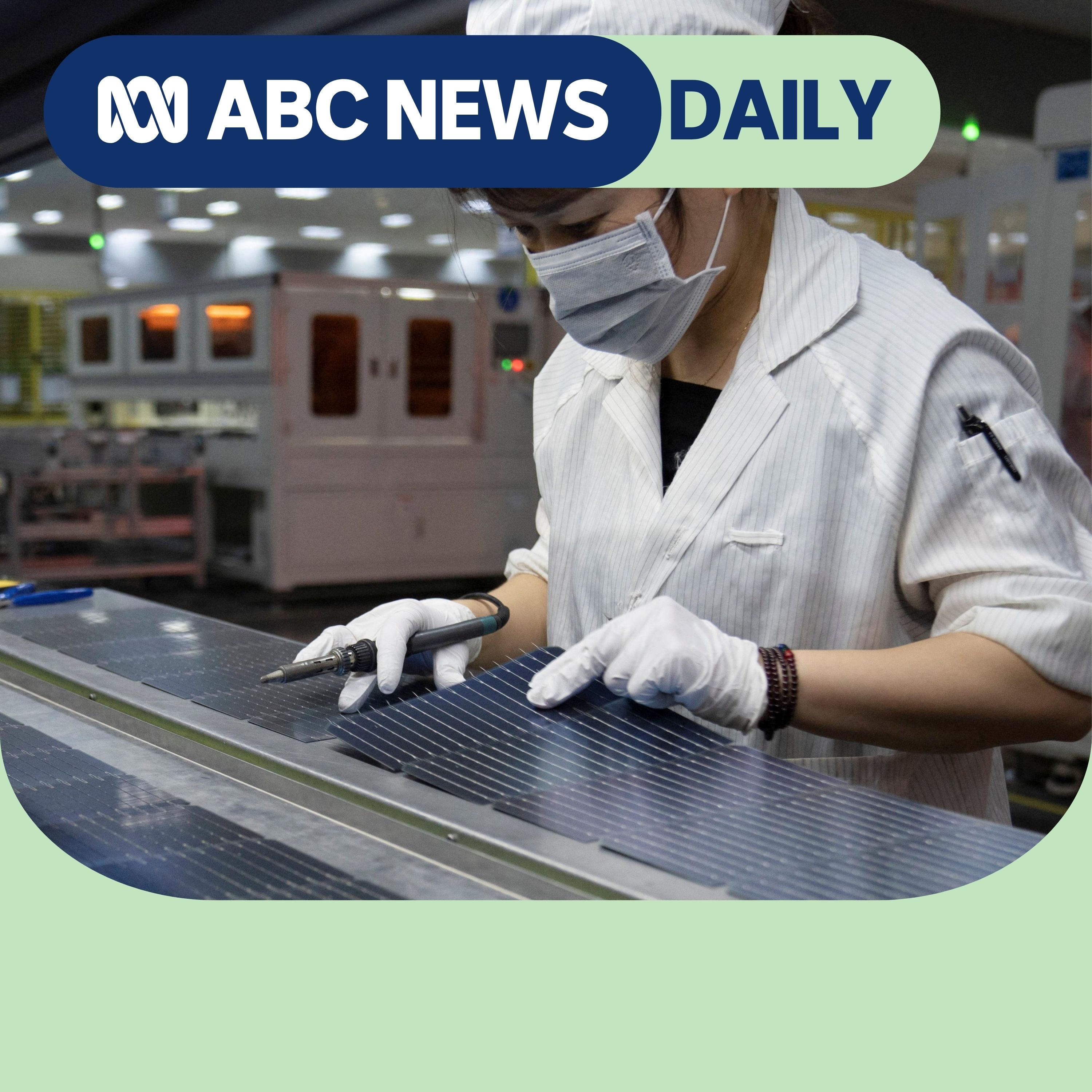
Overview of How China Shock 2.0 will reshape the world
This ABC News Daily episode examines the next phase of China’s rise in global trade, featuring economist David Autor—the scholar who helped coin the term “China shock.” The discussion contrasts the original China shock, which was driven by cheap manufactured imports and large-scale job losses in the West, with “China Shock 2.0,” which is centered on advanced technology, clean energy, AI, and strategic industrial sectors. The episode argues that this second shock could be more consequential than the first because it affects not just employment, but national security, innovation, supply chains, and geopolitical power.
What the first China shock was
Cheap imports, concentrated job losses
- In the 2000s, China’s rapid emergence as a manufacturing powerhouse flooded Western markets with low-cost goods.
- This lowered consumer prices but devastated import-competing industries in the U.S., especially in:
- textiles
- furniture
- toys
- electronics assembly
- The losses were geographically concentrated, hitting specific towns and counties hard rather than being spread evenly across the economy.
Broader social damage
Autor explains that the effects went far beyond unemployment:
- more workers ended up on public benefits
- communities experienced social decline
- fertility and marriage rates fell
- child poverty increased
- some areas saw “deaths of despair”
What makes China Shock 2.0 different
The new shock is about frontier industries
Unlike the first shock, the second is not mainly about consumer goods. It’s about China’s growing dominance in sectors such as:
- solar panels
- wind turbines
- batteries
- electric vehicles
- drones
- ships
- port cranes
- telecom equipment
- mobile phones
- AI-related technologies
Why it matters more
Autor argues this round is worse because it threatens:
- domestic profits and jobs
- innovation leadership
- military and national security
- privacy and cybersecurity
- global soft power
- control over technical standards in areas like smartphones, 5G, and future 6G networks
Why China has so much leverage
Strategic state support and trade imbalance
The episode says China’s industrial growth has been highly strategic, backed by major state investment. It now runs an enormous trade surplus, and its currency is described as likely undervalued, making exports even cheaper.
Rare earths as a choke point
A key concern is China’s control of more than 90% of the world’s rare earth processing/supply, which is essential for:
- batteries
- electric motors
- semiconductors
- military systems
Autor says China can use these supply chains as leverage against countries it sees as hostile, including over:
- tariffs
- Taiwan-related diplomacy
- investigations into Chinese companies
Who is most at risk
Likely losers in China Shock 2.0
Autor suggests the biggest losers may be:
- Western Europe — especially Germany, Italy, and France
- Australia
- Japan
Why Australia is vulnerable now
Australia benefited during the first China shock through:
- demand for commodities like iron ore
- cheaper imported goods
But this time, Autor says China may be using its buying power strategically, including withdrawing trade, students, or other forms of engagement as pressure. That makes Australia more exposed than before.
What countries can do about it
Tariffs help only partly
Autor says tariffs are not a good long-term solution, but may be useful temporarily to give domestic industries time to adjust.
A coalition is needed
He argues that no single country can stand up to China alone. The best response would be a coordinated coalition of industrial economies, especially:
- the U.S.
- Europe
- other major advanced economies
The problem with the current U.S. approach
Autor criticizes the United States for:
- alienating allies
- weakening its own clean energy transition
- using tariffs without a coherent long-term industrial strategy
He specifically notes that imposing a 100% tariff on Chinese EVs may be reasonable as a temporary measure, but not as a permanent fix.
Main takeaways
- China Shock 1.0 was about cheap goods and manufacturing job losses.
- China Shock 2.0 is about strategic technology and industrial power.
- The second shock is potentially more dangerous because it affects security, innovation, and geopolitical influence, not just employment.
- Australia, Europe, and Japan may be especially exposed this time.
- Countries will likely need a joint industrial and trade strategy to respond effectively.
- Once frontier industries are lost, they are very difficult to rebuild.
Final message
Autor’s warning is that the world is entering a new economic era in which China’s industrial strength is reshaping global power. If countries do not coordinate and respond strategically, the effects could last for decades and alter both the economic balance of power and the military balance of power.