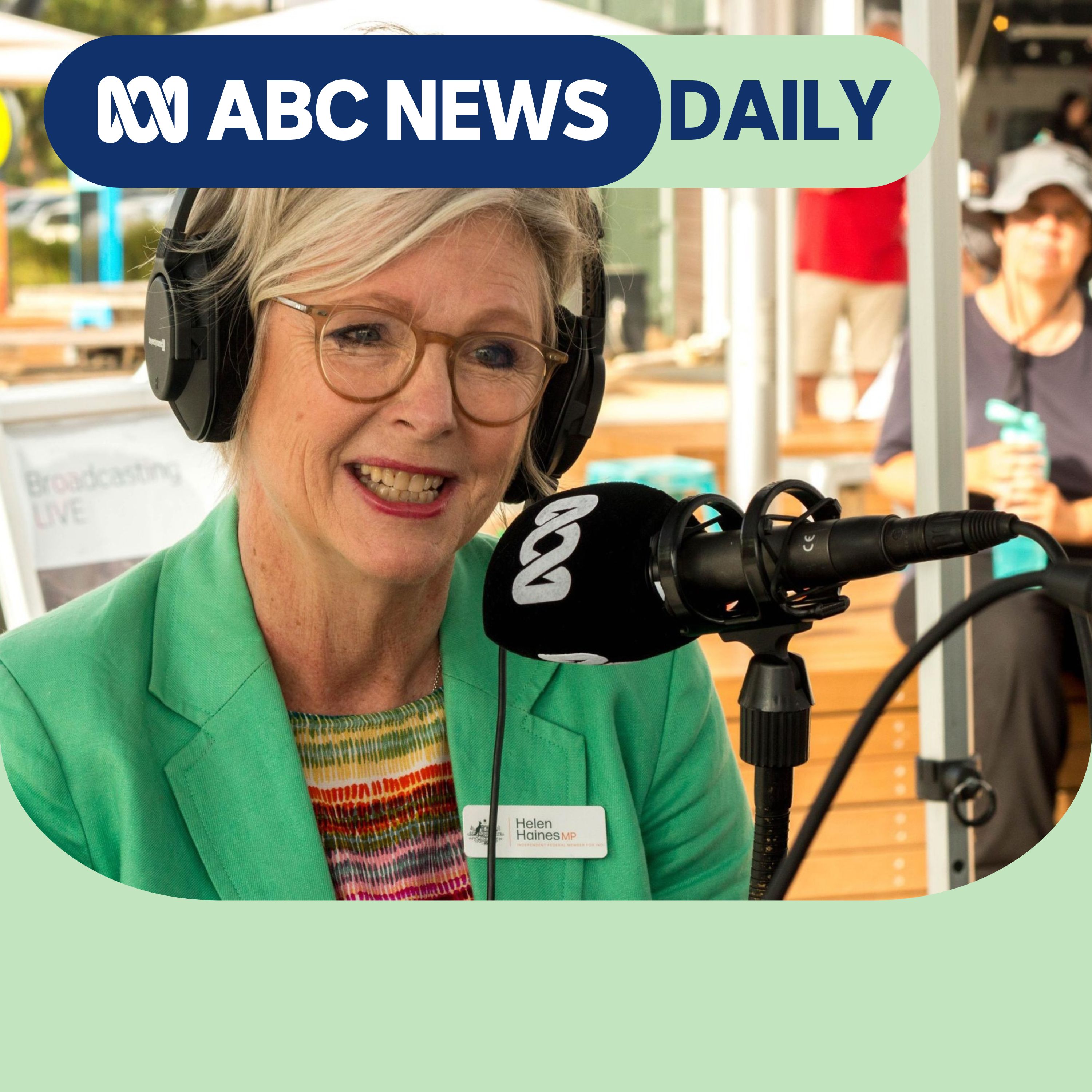
Overview of ABC News Daily — Helen Haines loses leg in horror attack
This episode focuses on the violent attack on independent MP Helen Haines outside her electorate office in Wangaratta, Victoria, and the wider alarm it has triggered about escalating threats and political violence in Australia. Political editor Jacob Greber explains what is known about the attack, the emergency response, and why this incident is being seen as a possible turning point for public life and democratic safety.
What happened to Helen Haines
- Police say a 43-year-old man allegedly used a white Toyota Land Cruiser to hit Haines outside her office.
- Witness accounts and ministerial comments suggest the driver:
- turned around after noticing her,
- drove at her,
- reversed,
- and struck her again.
- Haines was pinned between two cars and has since lost a leg.
- She remains in critical condition.
- Authorities have described the act as deliberate, not accidental.
Immediate response and community reaction
A bystander stepped in
- Local barber Ricky Jeffries intervened quickly and removed a knife from the alleged attacker’s pocket.
- The Prime Minister praised him as a hero for helping prevent further harm.
Wangaratta is in shock
- Local leaders described the town as devastated and struggling to process what happened.
- The attack has been deeply unsettling for a community that many had considered safe and positive.
Why this is being treated as a major political alarm
Jacob Greber argues the attack feels different because it comes amid a broader pattern of rising threats against public figures.
Threats against politicians are increasing
- The Home Affairs Minister said reports of threats against people in high office have climbed to more than 1,000 incidents.
- These threats affect politicians across the spectrum — right, centre, and left.
- The problem is not limited to Australia; similar incidents have occurred internationally.
Helen Haines as a symbol
- Haines is described as a highly respected independent and something of a trailblazer.
- She is one of the few regional independents to win and hold a former coalition stronghold over multiple elections.
- Her experience highlights the vulnerability of public figures who are accessible and visible in their communities.
Broader concerns about political violence
A dangerous shift in public discourse
- Greber says politics depends on intense debate and disagreement, but violence crosses a line that should never be normalised.
- The concern is not just the attack itself, but the possibility that such acts may become seen as an acceptable way to express grievance.
Comparisons with other countries
The discussion draws parallels with high-profile political violence overseas, including:
- Jo Cox in the UK
- attacks and assassination attempts in the United States
- historic political killings such as Olof Palme in Sweden
The point: open democracies, where politicians are accessible, can be especially exposed to these risks.
Women in politics and online abuse
Women are often targeted
- The episode highlights that women in public life are often subjected to disproportionate abuse and threats.
- Greber and others note this can discourage women from entering or staying in politics.
Examples mentioned
- Anne Aly received abuse after political comments in Parliament.
- Pauline Hanson has also reported frequent death threats.
- The conversation links this to the broader toxicity of social media and political culture.
Key takeaway
This episode frames the attack on Helen Haines as more than a tragic isolated event: it is a wake-up call about the rising threat environment facing politicians and other public figures. The central message is that democracy depends on debate, not intimidation — and that protecting the accessibility of public representatives while keeping them safe will require serious reflection and action.
Credits
- Host: Sam Hawley
- Political editor interviewee: Jacob Greber
- Produced by: Alaria Brophy and Louise Mylan
- Audio production: Sam Dunn
- Supervising producer: Sydney Peet