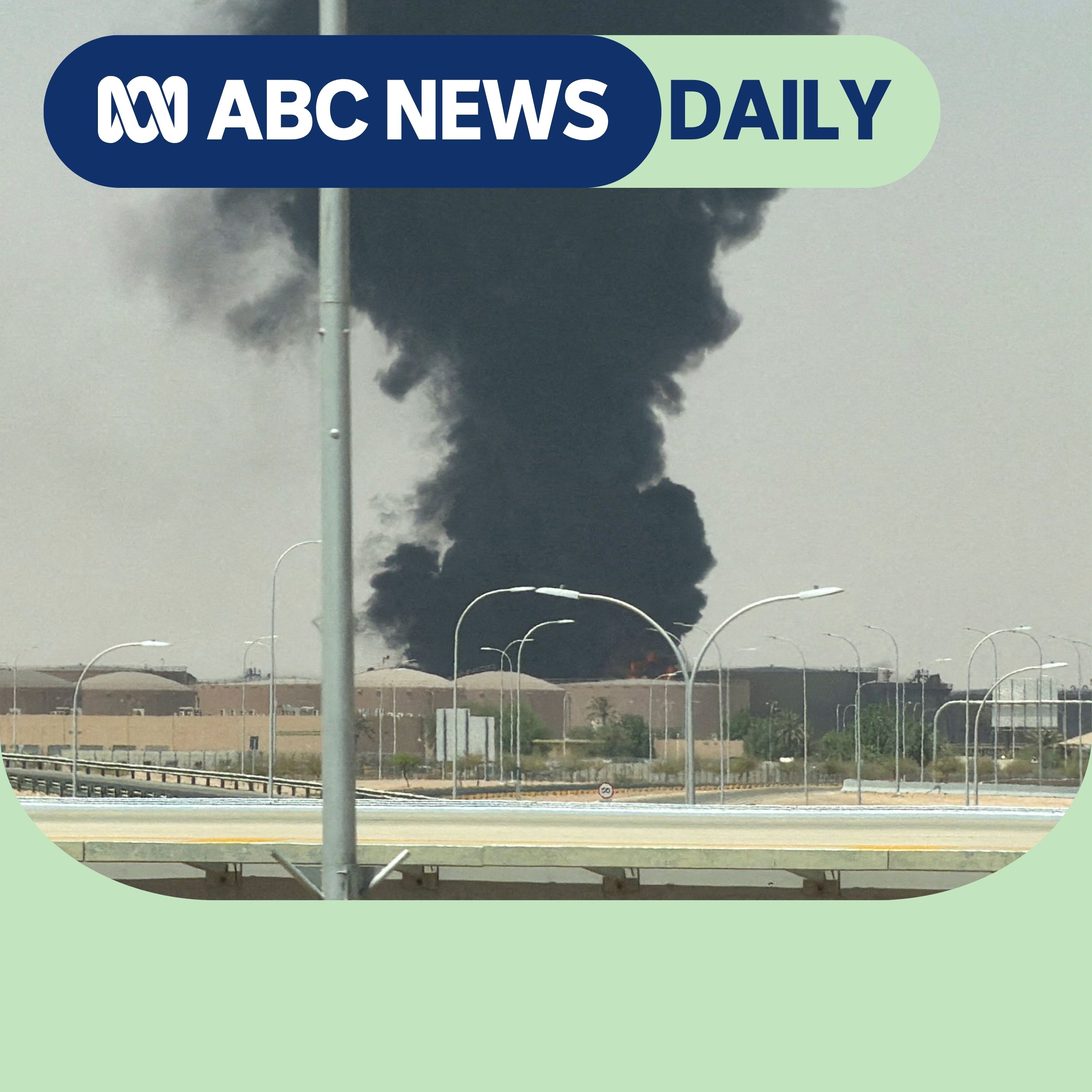
Overview of Alan Kohler on the odds of a recession
This episode of ABC News Daily features ABC finance expert Alan Kohler discussing how surging oil prices, persistent inflation, and weak productivity are tightening pressure on Australian households and pushing the Reserve Bank toward another interest rate hike. The conversation also explores the broader global backdrop, including rising bond yields, higher U.S. rates, and the growing risk that Australia could slip into recession if energy shocks and domestic policy pressures continue.
Main themes
Oil prices and the Middle East conflict
- Oil prices have jumped sharply, with disruption in the Persian Gulf, Strait of Hormuz, and Red Sea rattling global supply.
- Kohler says the conflict has effectively expanded into the Red Sea, with Houthi activity threatening major shipping routes.
- The result is a double hit:
- higher crude oil prices
- higher refinery margins, which lift petrol and diesel costs further
Why diesel matters so much in Australia
- Diesel is not just a fuel for cars; it is essential for transport, freight, supermarkets, and supply chains.
- Kohler notes that when diesel rises, it quickly feeds through into the prices of goods across the economy.
- That makes the inflationary impact broader and more persistent than a simple fuel-price spike.
Interest rates and inflation
The Reserve Bank is likely to hike again
- Kohler says the Reserve Bank has effectively signaled another rate rise at its next meeting, with a further increase possible later in the year.
- The RBA usually looks through temporary fuel spikes, but it is more worried about inflation expectations becoming embedded.
- In his view, the bank needs to “walk the walk” and raise rates to convince people it is serious about getting inflation down.
Productivity is the deeper problem
- Kohler argues that Australia’s main structural issue is weak productivity growth.
- He says productivity has barely grown for a decade and has even fallen in the most recent national accounts.
- Without productivity growth, the economy’s “speed limit” is lower, meaning:
- growth above that level fuels inflation
- interest rates need to rise to slow demand
Global backdrop
The U.S. and other central banks are also tightening
- The U.S. Federal Reserve has raised rates, and Kohler says this reflects a global tightening trend.
- He links the inflationary pressure to three major forces:
- the Middle East war and higher oil prices
- U.S. tariffs raising costs
- expansive fiscal policy in the U.S.
Higher bond yields are pressuring shares
- Bond yields are rising in both the U.S. and Australia because investors want more return to lend to governments.
- Kohler says higher bond yields tend to lower company valuations, which can drag on the share market.
- He says a stock market fall is more likely, especially if fears about an AI bubble intensify.
Recession risk and household impact
Recession is becoming more plausible
- Kohler says recession is not yet a 50-50 call, but the odds are rising.
- He warns that if Australia also reduces net overseas migration significantly while rates keep rising, recession risk increases further.
- That risk applies both:
- in aggregate
- per capita, where living standards have already been weak
Households are under pressure
- Rising fuel, grocery, rent, and mortgage costs are leaving many Australians squeezed.
- Kohler says the public frustration is obvious, and it helps explain growing disillusionment with the major parties.
- His bottom line: people are facing a tough time, and that pain is becoming politically and economically visible.
Key takeaways
- Oil shocks are adding to inflation and could keep pressure on prices for months.
- The Reserve Bank is likely to raise rates again to protect inflation expectations.
- Weak productivity remains the core reason Australia cannot grow too quickly without reigniting inflation.
- Higher bond yields could hurt share markets and company valuations.
- The risk of recession is rising, especially if household demand weakens further and migration falls.
What to watch next
- The Reserve Bank’s next interest rate decision
- Whether oil prices keep climbing or stabilize
- Changes in inflation expectations and consumer spending
- Movement in bond yields and share markets
- Government policy on migration, which could affect growth and recession risk