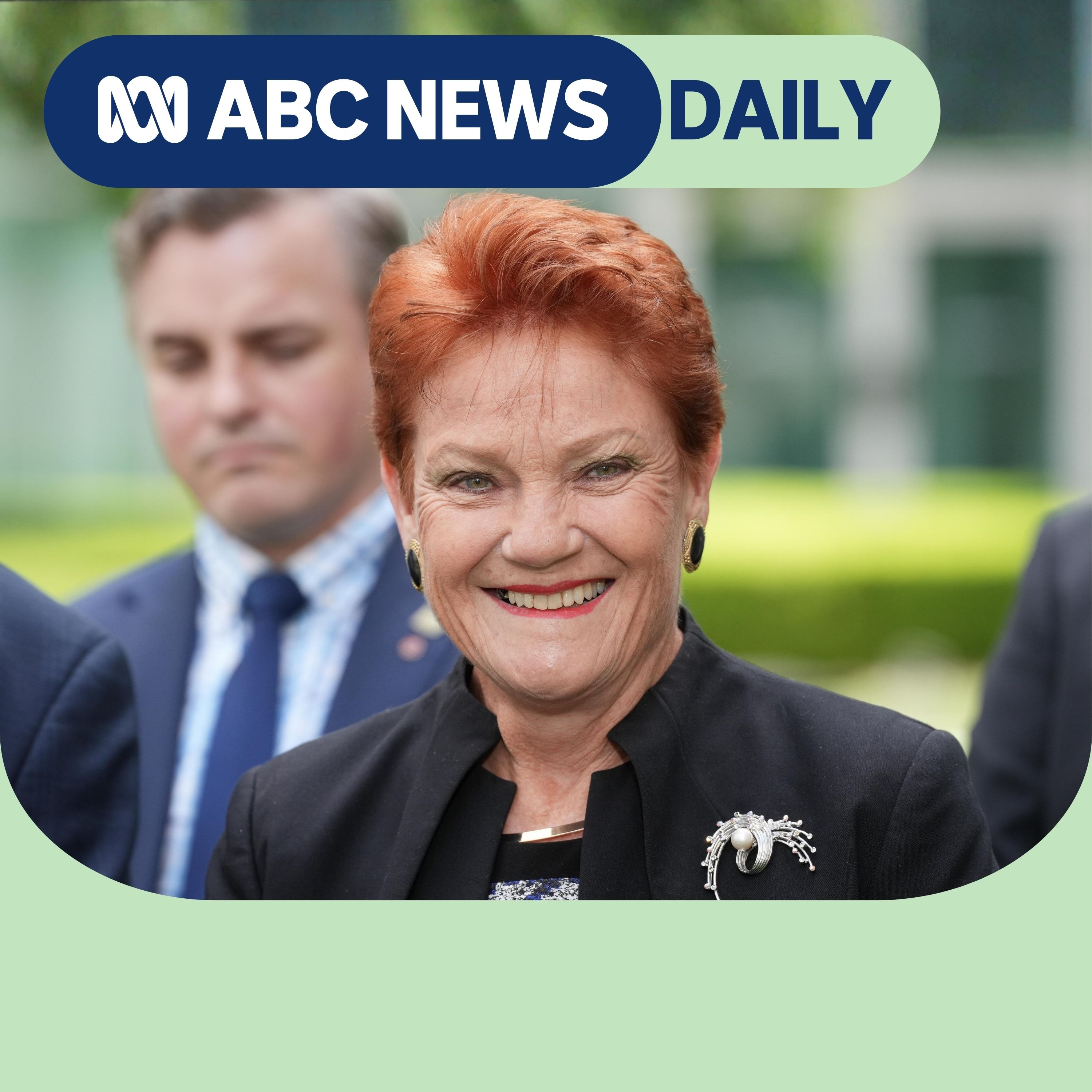
Overview of Why Pauline Hanson is so popular with Gen X men
This ABC News Daily segment (host Sam Hawley) interviews Tony Barry (director at Redbridge Group, former Liberal strategist) about the recent polling surge for Pauline Hanson’s One Nation. The conversation covers One Nation’s history, who’s driving the current rise (notably Gen X men), whether polls will convert to seats, Barnaby Joyce’s move to the party, and what the major parties should do in response.
Key takeaways
- One Nation is polling in the high teens to low-20s nationally — higher than at many previous points in its history.
- A major driver: 26% of Gen X men (aged ~45–60) are currently supporting One Nation in some polls — a volatile cohort feeling economic and social insecurity.
- It’s unclear whether the surge is a long-term shift or a protest vote; translation to seats depends on geography, preference flows, candidate infrastructure and funding.
- One Nation’s rise is already influencing the Coalition and Nationals to the right on some issues.
- Major parties are partly to blame: failure to clearly explain policies (immigration, economic reform, energy transition) creates space for populist messaging.
Brief history & context
- Pauline Hanson first entered federal parliament in 1996 (about 30 years ago). Her controversial maiden speech and remarks about immigration/multiculturalism established her public profile.
- One Nation formally launched in 1997, performed strongly in 1998 (~8% primary vote) and has remained a recurring force in Australian politics.
- Over the years Hanson has weathered legal and political challenges but retained a persistent base.
Who’s supporting One Nation — the Gen X men phenomenon
- Tony Barry identifies Gen X men (45–60) as a critical, shifting cohort: about 1 in 4 in this group are indicating support for One Nation in recent polling.
- Reasons for appeal:
- Economic anxiety: concerns about house prices, mortgages, and the prospects for their children.
- A sense of being “unloved” or overlooked by mainstream parties.
- Attraction to “politics of grievance” — simple, emotive solutions and acknowledgement of felt problems.
- Much of One Nation’s vote growth has come from the Coalition rather than Labor.
Will polling translate into parliamentary seats?
- Current parliamentary representation is small (about five across both chambers at the time of discussion).
- Electoral impact depends on:
- Whether the current poll numbers reflect parked/protest votes or durable support.
- Geographic concentration of support (regional seats are likely the best opportunities).
- Preference flows and how major parties allocate preferences.
- Party infrastructure, campaign capacity and fundraising — areas where One Nation is less tested on a national scale.
- Early by-elections could provide a litmus test for momentum, but the true test will be the next federal election.
Barnaby Joyce and party dynamics
- Barnaby Joyce’s move to One Nation could strengthen the party’s credibility: he brings experience and portfolio knowledge Hanson lacks.
- Potential downside: two large, combative personalities (Hanson and Joyce) and uncertain internal dynamics — could limit cohesion or growth.
- Joyce claims he followed an existing wave of local support rather than creating it.
Effects on major parties & policy implications
- One Nation’s rise is exerting pressure on the Coalition and Nationals, nudging them rightward on some issues.
- Tony Barry argues the real battleground to win back voters is economic policy — housing affordability, economic security and concrete reforms.
- Governments’ poor communication/explanation of policy (immigration strategy, net-zero/energy transition, etc.) has contributed to public confusion and opened space for populist narratives.
- Policy idea highlighted: bold economic reform (example cited — a GST shift offset by income tax cuts) to return money to households and improve affordability.
Notable quotes
- Pauline Hanson (maiden speech excerpt): “I and most Australians want our immigration policy radically reviewed… I believe we are in danger of being swamped by Asians.”
- Tony Barry on the driver of support: “It’s mostly about the politics of grievance.”
- Statistic highlighted by Barry: “26% of Gen X men ... are voting One Nation” in recent tracking.
Practical implications & recommendations (from discussion)
- For the Coalition: refocus on core strength of economic management and offer differentiated, bold economic policies that address housing and household income pressure.
- For major parties generally: improve policy communication — explain why policies (on immigration, energy, economic reform) matter and how they will affect everyday voters.
- Monitor early electoral tests (by-elections, regional contests) to gauge whether One Nation’s polling is durable.
Bottom line
One Nation’s polling surge reflects real voter discontent — especially among Gen X men facing economic strain — but translating current poll numbers into sustained parliamentary power requires geographic concentration, preference flows, infrastructure and funding. The immediate political effect is policy and positional pressure on the Coalition and Nationals; the longer-term impact will depend on whether major parties can offer clearer economic solutions and better explain their policies.