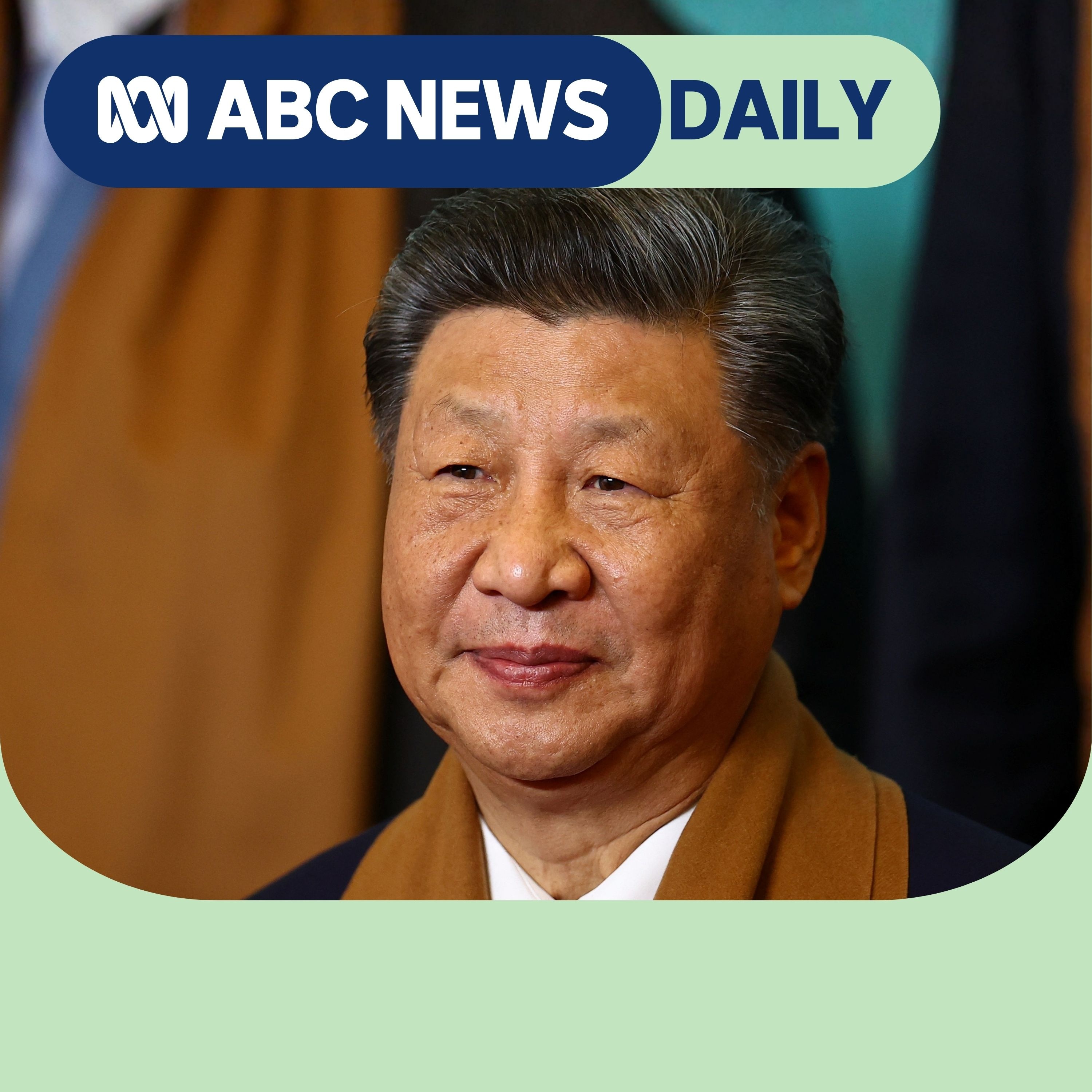
Overview of What China’s military turmoil means for Taiwan
This ABC News Daily interview with China expert Neil Thomas (Asia Society Policy Institute) examines Beijing’s recent purge of senior People’s Liberation Army (PLA) officers and what it signals for Xi Jinping’s domestic control and China’s posture toward Taiwan. The episode explains who was removed, why the moves matter, short‑term and long‑term security implications for Taiwan and the region, and what to watch next.
Key takeaways
- Beijing recently removed very senior PLA figures — most notably army vice‑chair Zhang Youxia — in the highest‑level military purge in decades.
- Official reasons cite corruption and political offences, but experts see the purge as primarily about loyalty, consolidation of Xi’s control, and reshaping the PLA leadership.
- Short term: a major military escalation against Taiwan is less likely while top operational leadership is in flux.
- Medium/long term: Xi aims to rebuild a more modern, loyal and capable PLA; once new leaders are vetted and promoted, pressure on Taiwan (especially gray‑zone coercion) could increase.
- Politically, the purge demonstrates Xi’s considerable control over party and military personnel levers, reducing near‑term prospects for organized resistance inside the party.
Who was removed and why it matters
- Zhang Youxia: a veteran PLA leader with deep personal and revolutionary-era ties to Xi; his removal is especially striking because he had previously received exemptions from retirement norms, indicating past trust from Xi.
- Other senior officers: multiple top generals were expelled in related anti‑corruption actions, leaving the Central Military Commission with very few active members beyond Xi.
- Interpreting the purge:
- Surface explanation: anti‑corruption and political discipline.
- Deeper drivers: loss of trust, the need to break older patronage networks, eliminate potential rivals, and install leaders more loyal to Xi and more competent with modern PLA capabilities.
Implications for Taiwan and regional security
- Near term:
- Reduced likelihood of an immediate large‑scale invasion or major military escalation, because China’s top operational leadership has been destabilized.
- However, Xi retains other levers of coercion — diplomatic, economic, and gray‑zone military pressure.
- Medium/long term:
- If Xi successfully vets and installs a younger, cleaner, more capable leadership, the PLA’s credibility and operational readiness could improve, increasing pressure on Taiwan and complicating allied deterrence.
- Xi’s approach so far favors incremental, calculated pressure (the “gray zone”) over reckless escalation; that pattern is likely to continue unless domestic politics or perceived opportunities change.
Political reading: what this says about Xi’s position
- The purge underscores Xi’s ability to control personnel, propaganda and security services — arguably the strongest centralization of power since the post‑Deng or even Mao eras.
- While the moves may raise doubts within parts of the system and society, they also signal that Xi can remove trusted insiders if he deems them unreliable.
- Major organized pushback or a military coup is judged unlikely given Xi’s control of authoritarian levers.
Timeline and likely next steps
- Vetting and promotions: expect a deliberate, possibly lengthy vetting process for the next generation of PLA leaders.
- Party congress / leadership turnover: a larger set of military promotions is likely at the next major party meeting (the interview expects substantial appointments around the next party congress).
- Monitoring indicators: new appointments to the Central Military Commission, changes in PLA command structure, and resumed or intensified training/exercises once leadership is settled.
Notable quotes
- “Above Zhang Youxia, there’s just Xi Jinping.” — underscores Zhang’s formerly high rank and the symbolic weight of his removal.
- “It would be a big gamble…only having two people [on the CMC] there, including yourself, it’s a whole level of experience and just operational command that you now don’t have.” — on short‑term limits to military action.
What to watch next
- Announcements of replacements to the Central Military Commission and joint command leadership.
- Timing and content of promotions around the next party congress.
- Changes in PLA exercises and deployments near Taiwan (frequency, scale, type).
- Domestic political signals: tighter discipline, propaganda narratives, and further anti‑corruption actions.
- Allied responses: US, Australia and regional partners’ diplomatic and military adjustments to deterrence posture.
Practical implications / recommendations (for policymakers and observers)
- Maintain and strengthen deterrence and intelligence monitoring of PLA leadership changes and operational readiness.
- Coordinate closely with allies on contingency planning and messaging to deter coercion in the gray zone.
- Track domestic Chinese political moves (personnel lists, disciplinary actions) as leading indicators of shifts in foreign policy posture.
- Prepare for a two‑phase risk: a short pause in aggressive military action followed by potentially greater PLA capability and pressure once new leadership is consolidated.
Produced by ABC News Daily; interview guest: Neil Thomas, Asia Society Policy Institute.