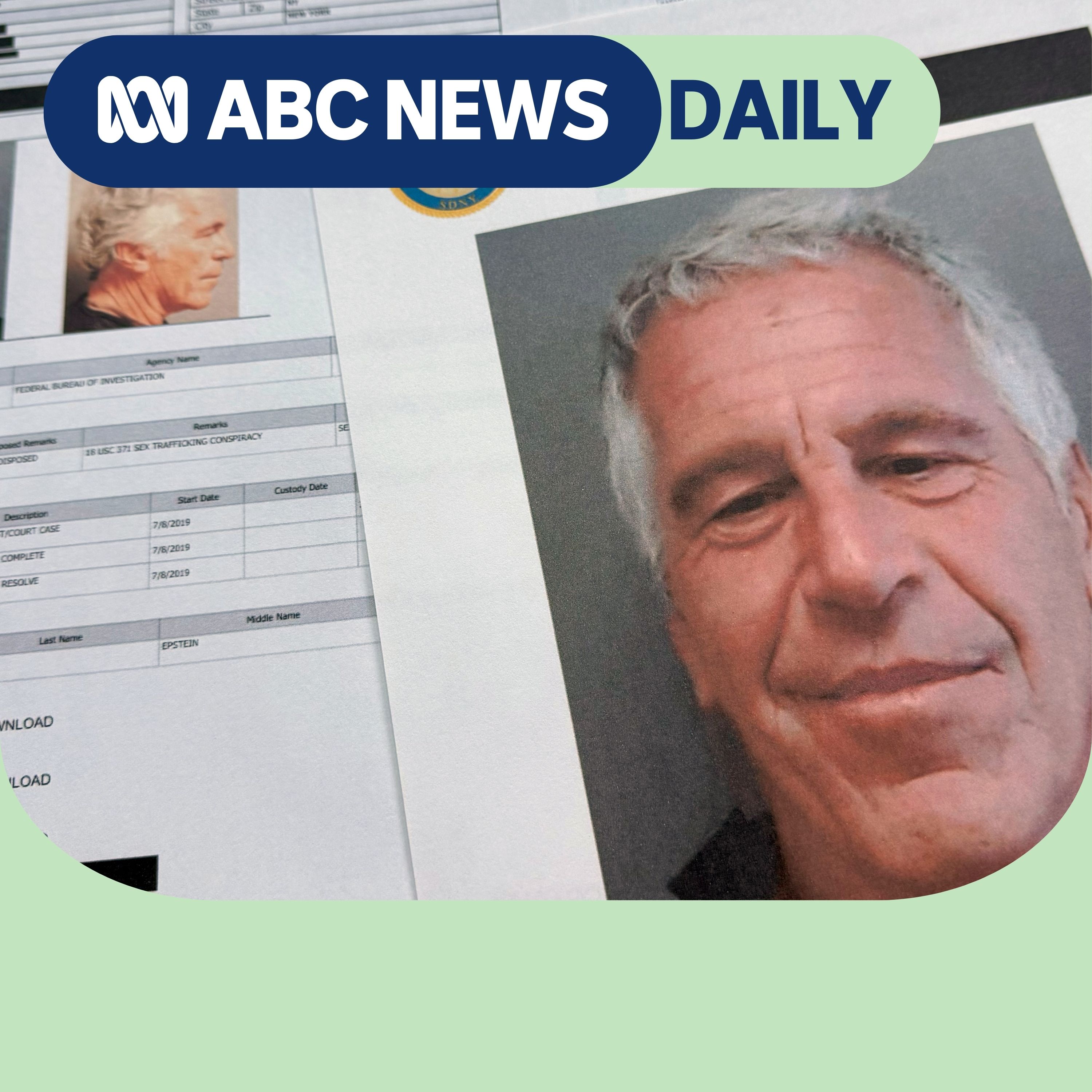
Overview of Unpacking the latest Epstein files
This ABC News Daily episode examines the newest tranche of court and investigative material connected to Jeffrey Epstein — roughly 3 million pages, 180,000 photographs and 2,000 videos — and unpacks what the release does and does not reveal about Epstein’s network, the remaining unreleased material, and political fallout (especially claims about Donald Trump). David Smith (United States Studies Centre, University of Sydney) guides the discussion, assessing what’s new, what remains hidden, and what this means for victims, named public figures, and future inquiries.
What was released
- Roughly 3 million pages, ~180,000 photos and ~2,000 videos made public by the U.S. Department of Justice (Deputy AG Todd Blanche announced the release).
- Many items are previously published news articles, FBI investigative materials, and emails.
- The DOJ says nothing in the released material provides sufficient evidence to open new prosecutions.
- The Department initially identified about 6 million documents; about 3.5 million have been released so far, leaving ~2.5 million still withheld.
Key takeaways
- The newly released files contain a lot of ancillary material (media, unverified tips, and background documents) rather than new, prosecutable evidence.
- Some high-profile names appear in the records; appearance in the files does not equate to proof of criminal conduct.
- Victims remain concerned: despite redactions, some survivors can still be identified in the released documents.
- The DOJ will provide congressional members access to unredacted files, but large volume and redactions limit clarity.
- Political pressure (from both sides) continues; the release has not ended public or congressional demand for more transparency.
What the documents show (notable items)
- Emails referencing parties, introductions and social contacts involving well-known figures. Examples cited in the show:
- Elon Musk asking when the “wildest party” on Epstein’s island might be — correspondence suggests interest but no evidence he attended.
- An email offering an introduction to a “26‑year‑old Russian” to a royal family member.
- A drafted allegation claiming Bill Gates contracted an STD from extramarital sex with Russian women (Gates’ spokesperson called the claim false).
- Photo(s) including Prince Andrew (one image described: Andrew on all fours over a woman whose identity is redacted).
- The NYT identified about five documents that mention Donald Trump; those are summaries of unverified tips and do not provide corroborated evidence of criminality.
Implications for Donald Trump
- DOJ and FBI summaries in the released materials provide uncorroborated tips about Trump’s alleged connections, but the agencies say there’s no basis for prosecution from this tranche.
- Trump and allies claim the releases “absolve” him; analysts say that while the materials don’t produce prosecutable evidence, they also don’t fully clear him of having had a closer relationship with Epstein than he publicly admitted.
- The release fuels competing political narratives: Trump’s movement demanded the files’ release (alleging wider conspiracies), yet releases also implicate or show connections to powerful people including Trump himself.
Other named figures and context
- Elon Musk: emails indicate interest in parties on Epstein’s island; Musk publicly said he declined repeated invitations and pushed for the files’ release.
- Bill Gates, Peter Thiel, Howard Lutnick and others: correspondence shows Epstein cultivated relationships with wealthy/powerful figures — often as a confidant on diverse matters (from relationships to business).
- Kevin Rudd (former Australian PM): referenced in third‑party attempts to arrange contact; no suggestion the meeting occurred.
- Prince Andrew: appears in images and correspondence; he has consistently denied wrongdoing. UK PM Keir Starmer urged testimony before a U.S. congressional committee (unlikely to happen).
- Ghislaine Maxwell remains the only person jailed in relation to Epstein’s crimes (as of the episode).
Limits, redactions and victims’ concerns
- DOJ withheld material that depicts abuse or could endanger victims — but redactions have been imperfect: some survivors remain identifiable in released material.
- Victims and advocates feel justice is incomplete: only Maxwell has been imprisoned; many survivors distrust the process due to delays, partial releases and perceived political influence.
- Some observers (as reported by David Smith) argue the DOJ’s messaging around these releases has appeared to protect reputations of powerful figures, undermining trust.
What’s next / likely outcomes
- Roughly 2.5 million documents remain unreleased; Congress has members pushing for access to unredacted files.
- DOJ says no new investigations will be opened based solely on this release; whether remaining materials contain prosecutable evidence is unknown.
- Political pressure and public demand for transparency will continue; more disclosures to Congress could produce new public revelations, but practical usefulness is uncertain given volume and redactions.
Bottom line
The latest release is the largest public tranche so far and reinforces a pattern: Epstein cultivated access to prominent people; many names and embarrassing details appear, but the material does not, as released, produce proven evidence of additional crimes by the named figures. Significant amounts of material remain withheld, victims remain dissatisfied, and political debate — about both transparency and the documents’ implications for figures like Trump — will continue.