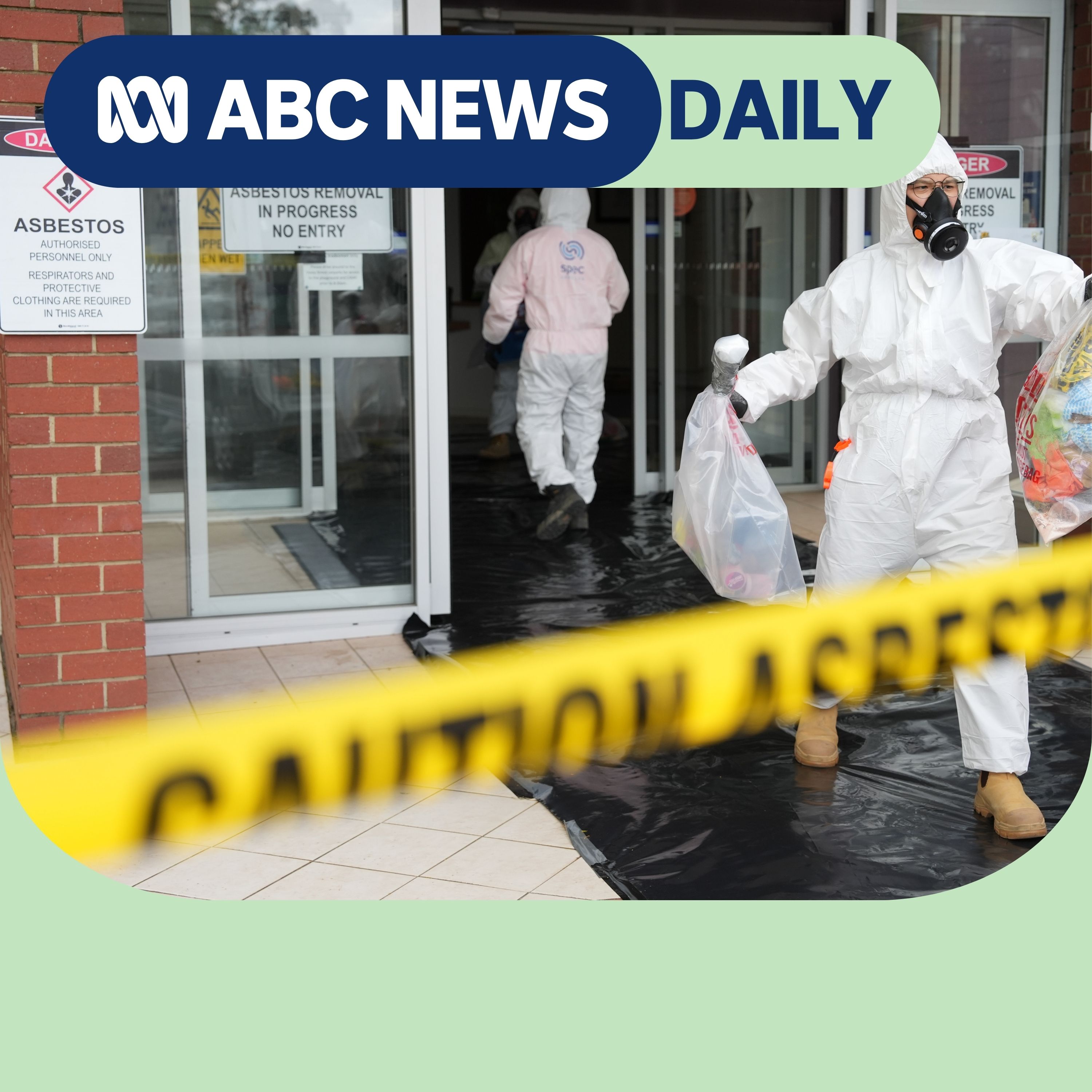
Overview of The coloured sand that sparked an asbestos scare
This ABC News Daily episode explains how decorative coloured sand—sold in Australia and used in schools and homes—was found to contain trace asbestos fibres, triggering product recalls and closures of dozens of schools. The interview with Associate Professor Anthony Linton (Asbestos and Dust Diseases Research Institute) covers where the sand likely came from, what kinds of asbestos were detected, the actual health risk, why some jurisdictions responded by closing schools, and practical advice for disposal and removal.
What happened
- Several coloured/decorative sand products sold through major retailers (Officeworks, Kmart, Bunnings and others) were tested and found to contain trace amounts of asbestos.
- Recalls were issued by the ACCC. Dozens of schools—more than 70 at the height of the scare, especially in the ACT—were closed for inspection/cleaning; some have since reopened.
- Similar closures occurred in parts of New Zealand and other Australian states (some Catholic and specialist schools closed; nearly 300 schools in one state reportedly had the sand).
Origin and types of asbestos detected
- Likely origin: imported from China (Australia banned asbestos and asbestos imports in 2003).
- Two types detected in tested samples: tremolite and chrysotile.
- Testing so far has not detected significant quantities of respirable asbestos fibres.
Health risk and scientific context
- Primary danger from asbestos comes from inhaling respirable fibres, which lodge in lung tissue and can cause disease decades later.
- Current assessment: risk from these sand products is likely very low because fibres are not respirable in the tested material and the sand is not fine enough to easily become airborne without heavy mechanical crushing.
- Latency and outcomes:
- Lung cancer from asbestos: typically 20–30 years after exposure.
- Mesothelioma: typically 30–60 years after exposure, with very poor prognosis (worst survival outcomes of any cancer in Australia).
- Australia’s legacy: widespread historical use of asbestos in building products and homes. One in three Australian homes still contains asbestos. Approximately 4,500 Australians die annually from asbestos-related diseases.
Why responses varied (e.g., ACT school closures)
- Jurisdictions responded differently: ACT moved quickly to close schools for thorough removal because of Canberra’s traumatic history with the “Mr Fluffy” loose-fill asbestos insulation crisis and heightened community sensitivity.
- Other states advised isolating affected rooms and safe removal without full closures.
- No single “right” response—decisions balance immediate public reassurance, thorough safe removal, and disruption minimization.
Practical advice and recommended actions
For parents and households
- If product is unopened: seal in a heavy-duty plastic bag, double-tape it and contact your local council for instructions on appropriate disposal location (do not put in regular household bin).
- If product is opened/used: avoid creating dust; wear gloves, protective clothing and a mask; wipe surfaces with a damp cloth; if in doubt, consult licensed asbestos removal professionals. For schools and childcare centres
- Isolate rooms where sand was used, avoid activities that could create dust, and engage qualified asbestos professionals for inspection and removal if contamination is suspected. For policymakers/retailers
- Maintain vigilance at borders and in supply chains; consider strengthened testing and product screening for materials used by children.
- Ensure clear public guidance and funded removal options, given long-term presence of asbestos in the built environment.
Historical examples referenced
- Mr Fluffy (Canberra): loose-fill asbestos insulation pumped into houses mid-20th century, leading to stringent removal laws and long-term public concern.
- Wittenoom (WA): mining town with heavy asbestos contamination and high disease burden, illustrating dose–response but also that not everyone exposed develops disease.
Key takeaways
- Trace asbestos was found in imported coloured sand products; recalls and school closures followed.
- Tests so far suggest low risk because respirable fibres were not detected and the sand is not readily inhalable.
- Because asbestos disease can take decades to appear and has severe outcomes, authorities are acting cautiously—removal and safe handling are essential.
- Continued vigilance, safe removal practices, clear disposal routes, and stronger import/product screening remain important public-health priorities.
Source / credits
- Interviewee: Associate Professor Anthony Linton, Academic & Research Director, Asbestos and Dust Diseases Research Institute.
- Host: Sam Hawley; production team: Sydney Peat, Cinnamon Nippard; audio production: Sam Dunn; supervising producer: David Cody. ABC News Daily.