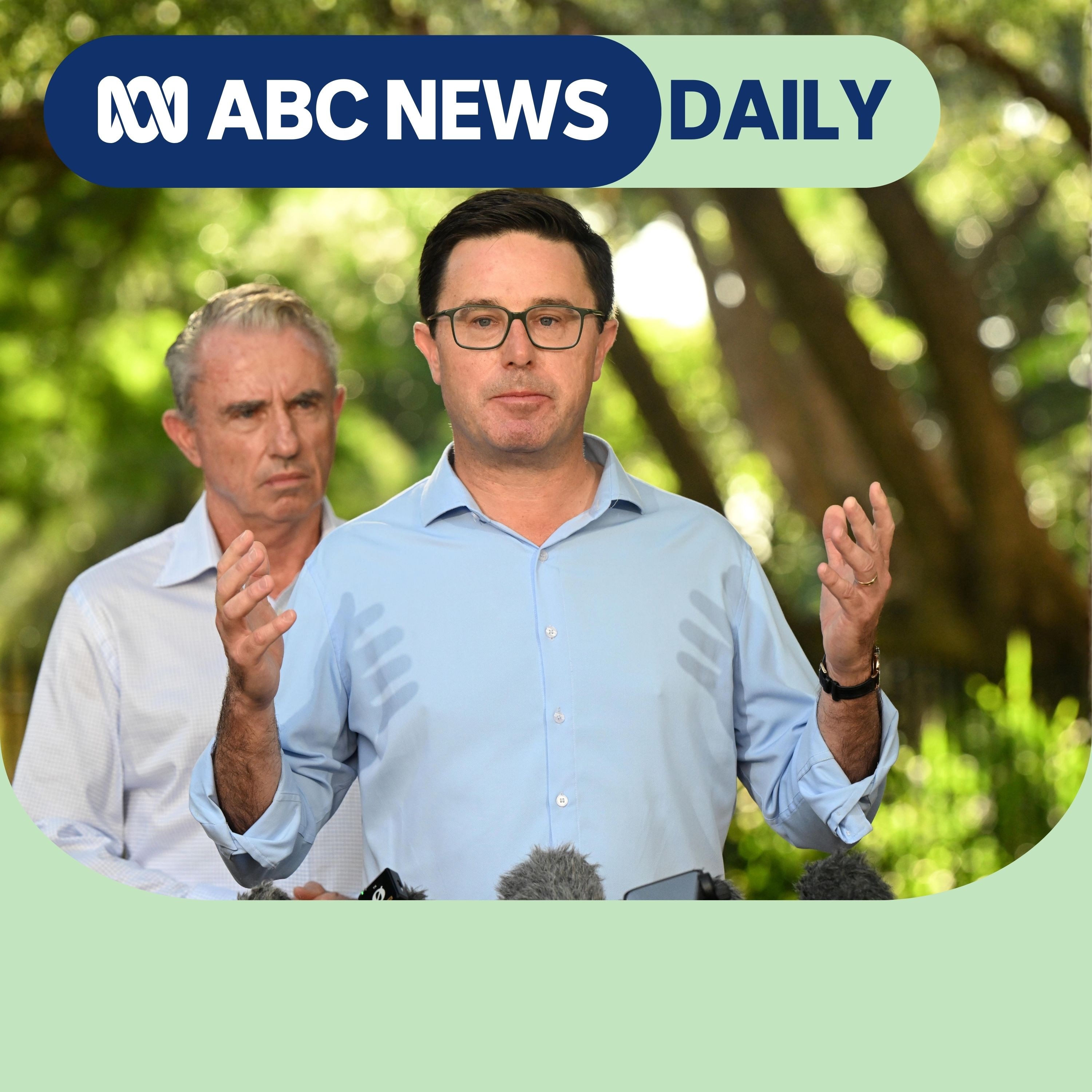
Overview of How the Coalition split ruptures conservative politics
This episode of ABC News Daily (guest: David Speers, ABC national political lead and host of Insiders) explains why the Coalition has split again after National Party senators crossed the floor over new hate-speech legislation. The split—triggered by disagreements inside the Coalition about the content and process of recent laws—has forced the Nationals out of the joint shadow ministry, intensified pressure from One Nation, weakened Liberal leader Susan Lee’s authority, and temporarily relieved political pressure on Labor and Prime Minister Anthony Albanese.
What happened (timeline and immediate outcomes)
- Parliament sat for two days and passed a package that separated parts of an initially omnibus bill into distinct measures (including gun laws and hate-speech laws).
- A number of Nationals senators (including three shadow ministers) crossed the floor to oppose the hate-speech bill; Liberals supported the bill and sided with the government.
- As a result, the three Nationals in shadow cabinet were removed; the Nationals leader David Littleproud and the entire Nationals shadow ministry resigned in protest, taking 11 Nationals out of the Coalition shadow ministry.
- The Coalition is again split: Liberals remain in a separate shadow ministry while the Nationals are operating independently and insist they will not serve under Susan Lee’s leadership.
Why it split (causes and arguments)
- Substance: Some Nationals objected to the hate-speech bill on free‑speech grounds and feared the law could unintentionally target groups such as pro‑life organisations, despite government assurances ASIO and the Home Affairs Minister would target extremist groups (e.g., Islamist or neo‑Nazi groups).
- Process: Nationals complained the bill was rushed and chaotic, aggravating existing distrust.
- Leadership and solidarity: The decision to sack the Nationals’ shadow ministers was framed as necessary to maintain shadow cabinet solidarity, but it provoked the Nationals’ party-wide withdrawal and public denunciation of Susan Lee’s management.
- External pressure: One Nation’s polling surge and public pressure from figures like Barnaby Joyce are pushing Nationals toward more rightward stances and making them nervous about losing voters to One Nation.
Key players
- Susan Lee (Liberal leader): central figure; accused by Nationals of mismanaging the situation and weakening coalition unity.
- David Littleproud (Nationals leader): led the decision to pull the Nationals out of the joint shadow ministry.
- Bridget McKenzie, Matt Canavan: prominent Nationals critical of the hate-speech bill; Canavan identified as a driver of the party’s opposition.
- Barnaby Joyce: high-profile former Nationals figure publicly supportive of One Nation and vocal in media; has encouraged some colleagues to consider switching.
- Pauline Hanson / One Nation: beneficiary of Coalition instability—polling has risen.
- Anthony Albanese (Prime Minister): Labor benefited politically by getting legislation through and by the opposition’s collapse.
Political implications and likely fallout
- Right-wing realignment: The rift is another significant step in a broader fracturing and realignment on the political right; One Nation’s rise underscores that pressure.
- Coalition strategy: Liberals can now reconstitute a shadow ministry without Nationals; internal debate may follow about moving toward the centre to win back “teal” seats or shifting right.
- Leadership insecurity: Susan Lee’s position is vulnerable—this is the second Coalition split under her leadership and Nationals publicly refuse to serve while she leads; poor poll results could lead to a leadership challenge.
- One Nation gains: News Polls showed One Nation surging ahead of the Coalition in the same week the split occurred; political chaos aids Pauline Hanson.
- Unlikely formal Nationals–One Nation pact: While some Nationals may contemplate switching, a formal coalition between Nationals and One Nation is considered improbable because they compete for similar voters and One Nation lacks equivalent parliamentary presence.
What it means for Labor and the PM
- Immediate relief: The Coalition’s collapse removes some political pressure on Anthony Albanese, especially after he secured gun law reforms and measures addressing hate groups.
- Policy wins: Passing parts of the original omnibus (gun laws, hate‑speech measures tailored to extremist groups) strengthened Labor’s standing with affected communities.
- Political timing: The split occurred during a sensitive national mourning period for the Bondi victims, making it a politically awkward moment for the opposition.
Notable quotes / sharp lines from the episode
- “The Nationals have made it very clear they will not serve under the leadership of Susan Lee.” — summarises the Nationals’ position.
- “The biggest winner is clearly Pauline Hanson and One Nation.” — on the political beneficiary of the Coalition’s turmoil.
- “This was an invidious position for Susan Lee… she opted to maintain some respect and authority in her leadership, but at the cost of rupturing the coalition.” — on the leadership trade-off.
What to watch next (practical signals)
- Next opinion polls and News Poll results — will determine pressure on Susan Lee and Coalition prospects.
- Moves within the Liberal Party — possible leadership challenges or policy reorientation.
- Nationals’ internal decisions — whether David Littleproud remains leader or the party shifts further right to chase One Nation voters.
- Any MP defections or talks of switching to One Nation — could reshape parliamentary dynamics.
- Further negotiations or attempts to reunite the Coalition ahead of the next federal election.
Bottom line
This split is more than a momentary disagreement over a single bill: it underlines deeper tensions in Australia’s conservative bloc—leadership disputes, process grievances, and the electoral threat from One Nation. The immediate result strengthens Labor politically and raises major questions about the future shape, leadership and strategy of the Coalition.