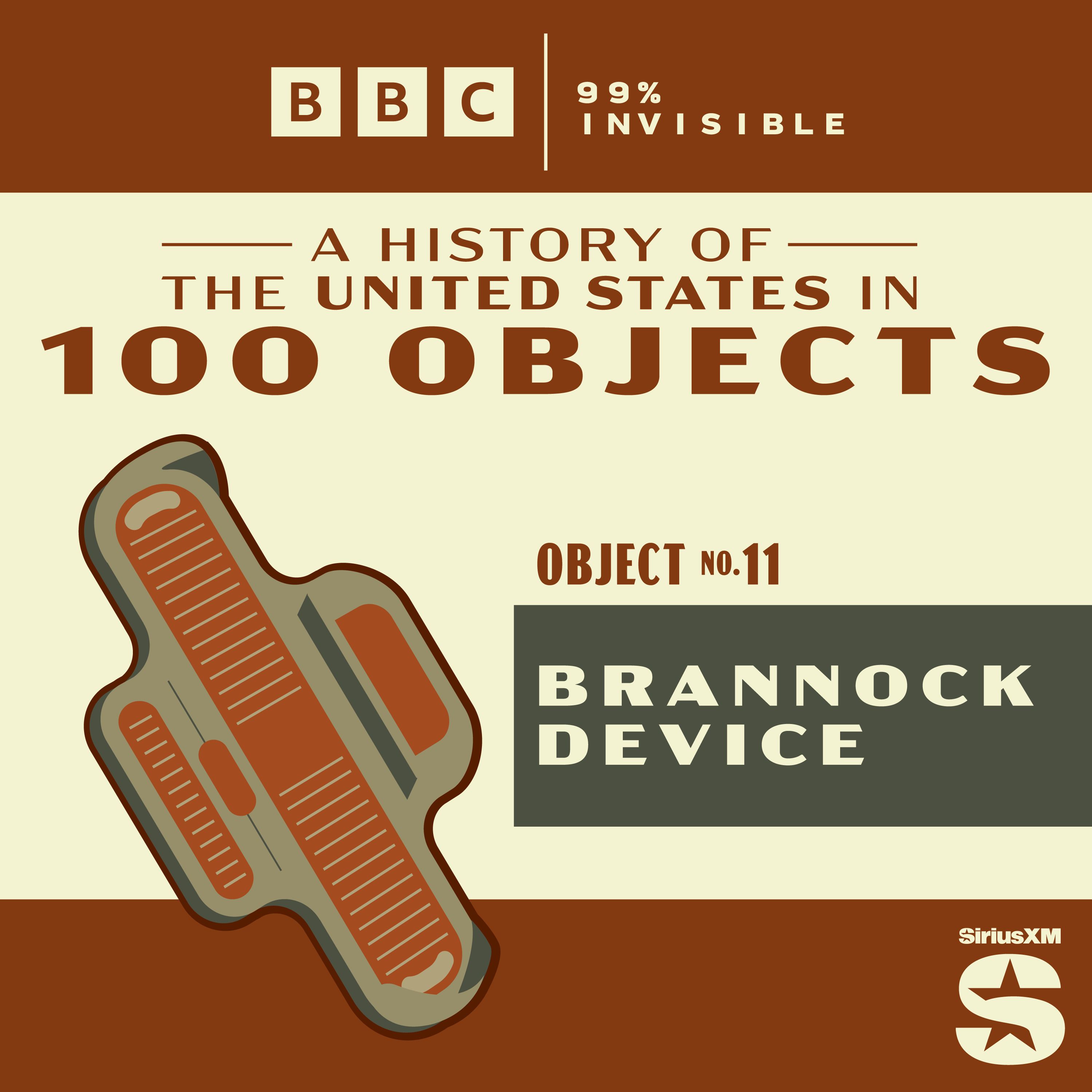
Overview of 100 Objects #11: Brannock Device
This episode of A History of the United States in 100 Objects explores the Brannock device—the metal foot-measuring tool found in shoe stores—and uses it as a window into American invention, manufacturing, and business values. Roman Mars traces how Charles Brannock created the device in the 1920s to solve a real problem: shoes that didn’t fit well because existing tools measured only foot length, not width and arch length. The story becomes not just about a clever object, but about durability, specialization, and a kind of old-school American capitalism that values quality and continuity over hype and shareholder extraction.
What the Brannock Device Is
A better way to fit shoes
- The Brannock device measures:
- foot length
- foot width
- arch length
- That third measurement, arch length, was the breakthrough.
- It helped shoe stores fit customers more accurately and reduced discomfort and wear from poorly fitted shoes.
Why it stands out
- It is simple, highly specialized, and almost unchanged for nearly a century.
- It feels “official” and precise, which made it memorable for many people—especially as a childhood rite of passage at the shoe store.
Charles Brannock and the Invention Story
The inventor behind the tool
- Charles Brannock grew up around shoes in Syracuse, New York.
- His father co-owned the Park Brannock Shoe Store, where Charles worked as a teenager.
- As a Syracuse University student, he developed the device in his early 20s, often staying up late sketching and refining it.
From family-store tool to industry standard
- Brannock initially made it to give his family store a sales advantage.
- Once other shoe stores saw the value of the device, demand spread quickly.
- The Brannock Device Company was created to manufacture it, and the product soon spread across the U.S. and then internationally.
Why It Became So Important
Precision as a business advantage
- The device solved a real, universal retail problem: inconsistent shoe fit.
- Better fit meant happier customers and fewer complaints.
- Its success came from doing one thing extremely well.
A category killer
- The Brannock device effectively eliminated serious competition in its niche.
- Even after the patent expired, knockoff versions were generally seen as inferior.
- The original remained the gold standard because of its quality and calibration.
The Military Connection and Wartime Expansion
From shoe stores to the armed forces
- The U.S. military adopted the Brannock device after naval officers noticed it reduced foot problems among sailors.
- During World War II, demand surged as the military needed to outfit huge numbers of new recruits.
The double Brannock device
- Brannock created a two-sided version so both feet could be measured at once.
- This sped up military processing and became part of wartime logistical efficiency.
- The episode frames this as a small but real contribution to U.S. military preparedness.
Business Philosophy: The Brannock Device Company vs. Modern Corporate Culture
A different model of capitalism
- The episode contrasts the Brannock company’s steady, quality-focused approach with modern finance-driven business models.
- The company stayed small, specialized, and rooted in Syracuse.
- It prioritized craftsmanship, good materials, and long-term usefulness.
Ownership with values
- When Charles Brannock died, the company was sold under unusual conditions:
- buyers had to make their case
- the company wanted the next owner to keep manufacturing in Syracuse for at least five years
- The sale reflected a desire to preserve the founder’s values, not just maximize price.
Private Equity and the Payless Contrast
A cautionary comparison
- The episode uses Payless ShoeSource to illustrate how private equity can strip value from companies.
- Through leveraged buyouts, companies can be saddled with debt and forced to pay out profits to investors rather than reinvest in workers or quality.
Why Brannock feels different
- Brannock’s business model is almost the opposite:
- no flashy expansion
- no brand sprawl
- no venture capital culture
- no obsession with short-term returns
- The company’s survival is presented as a rare example of sustainable, product-centered American manufacturing.
Endurance, Legacy, and What Makes It Pleasing
Still relevant today
- The Brannock device remains close to its original form.
- The company still makes and sells them, including direct-to-consumer sales online.
- Despite the decline of brick-and-mortar shoe stores, the tool persists because it still does its job better than anything else.
A symbol of competence
- Roman Mars frames the object as reassuring because it represents:
- craftsmanship
- reliability
- usefulness
- restraint
- It’s a simple thing that has lasted because it works.
Notable Insight
“A perfect device in an imperfect world.”
That line captures the episode’s central argument: the Brannock device endures not because it adapted to trends, but because it was almost perfect from the start.
Bottom Line
The Brannock device is more than a shoe-fitting tool. In this episode, it becomes a symbol of practical invention, durable manufacturing, and a business ethos built on quality rather than extraction. Roman Mars uses its history to argue that some products—and some companies—last because they are made with care, serve a real need, and refuse to become something they don’t need to be.