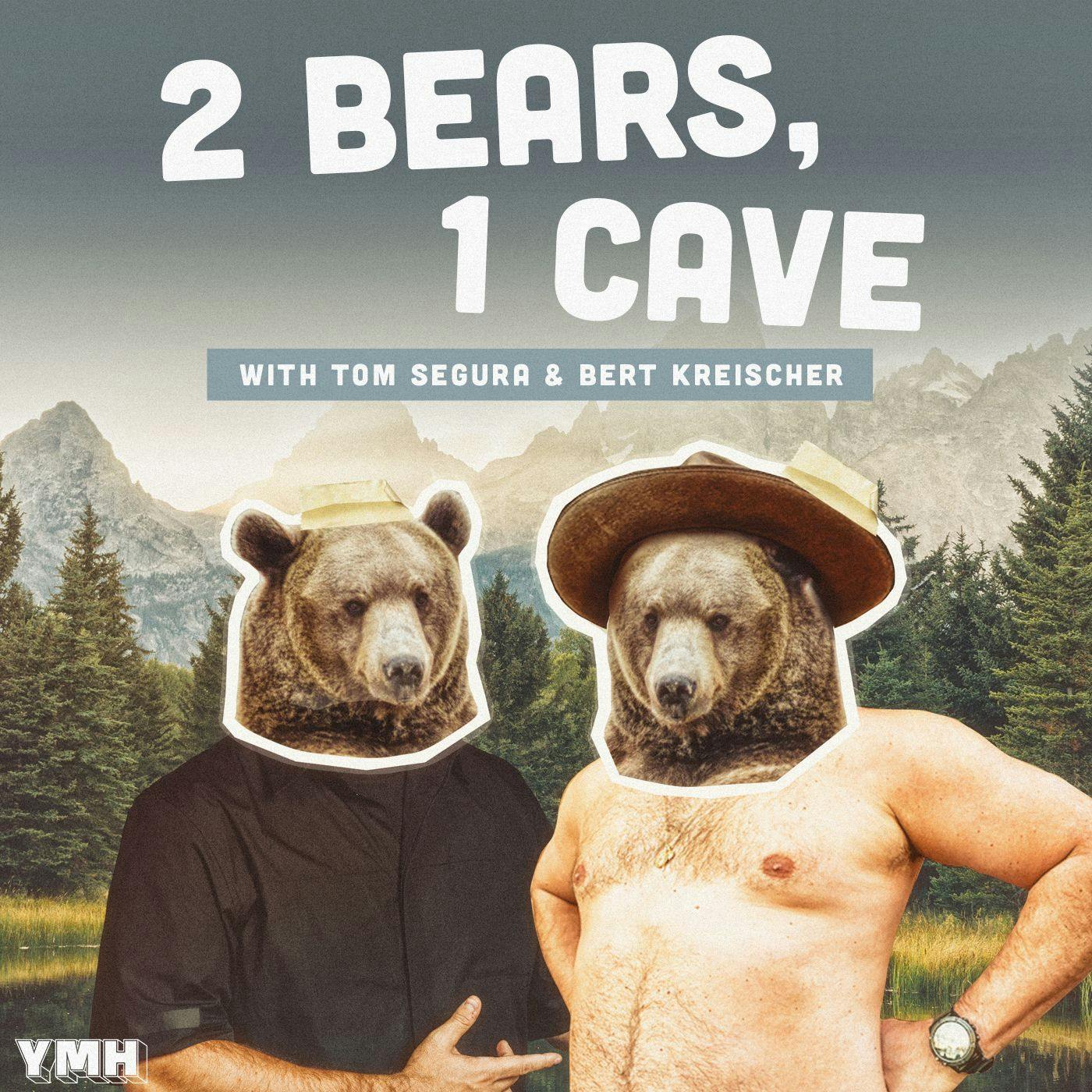
Overview of 2 Bears, 1 Cave (Episode: The Dark Side of Internet Fame w/ Marcus King)
This episode of 2 Bears, 1 Cave features musician Marcus King in a wide-ranging conversation with hosts Bert (Burt) Kreischer and Tom. They discuss King’s new album Darling Blue (and his recent catalog), the creative and recording process (including recording at Capricorn Studios in Macon), addiction and sobriety, the psychological impact of internet fame and negative comments, the changing music industry (TikTok virality vs. traditional careers), comedy/crowd-work culture, and a lot of personal anecdotes that illustrate vulnerability, authenticity, and the trade-offs of being an artist in the social‑media era.
Key topics discussed
-
Marcus King’s music and new album
- Darling Blue (new release); previous solo records: El Dorado, Youngblood, Mood Swings.
- Favorite tracks mentioned by hosts/guest: Dirt, On and On, Delilah (album tracks referenced).
- Recording location: Capricorn Studios, Macon, GA — ties to Otis Redding, Allman Brothers.
-
Creative process & role of producer/engineer
- Producer/engineer’s job: create the environment for vulnerability and honesty.
- Marcus described different phases of making the record: some songs written during heavy drinking and others during sobriety/microdosing, making the album an interesting document of transition.
-
Addiction, sobriety and drugs
- Marcus on sobriety: longest sober stretch, difficulties with moderation (“I don’t have a problem not starting — I have a problem stopping”).
- Use of medications like naltrexone/Manjaro shot referenced (blunting desire).
- Discussion of microdosing mushrooms vs. macrodosing, Xanax, cocaine, fentanyl concerns; how having something to live for (meeting his wife) helped shift behavior.
-
Internet fame, negative comments and mental health
- How online negativity affects performers socially and personally.
- Hosts share examples of hurtful comments and how they sometimes respond.
- Discussion about why people troll and how anonymity depersonalizes targets.
-
Music industry shifts / TikTok and virality
- Tension between traditional paths (touring, albums, building audiences) and sudden TikTok-driven success.
- Frustration about songs that become trends without artists having the same “earned” backstory.
-
Comedy culture and crowd-work
- Crowd-work clips and their effect on public perception of stand-up.
- Debate about skill vs. gimmick: some crowd-work acts are highly skilled and creative; others turned the art into a meme.
-
Authenticity and “realness”
- Who’s “real” on stage vs off stage; appreciation for artists who are consistent (e.g., Lainey Wilson, Jamie Johnson).
- Anecdotes about industry people who are controlling or “insane”—and the effect that has on others.
Notable quotes & insights
- On engineer/producer role: “An engineer’s job is to... artificially create an energy in which you can be your most vulnerable and honest self.”
- On addiction: “I don’t have a problem not starting. I just have a problem stopping.”
- On the currency of creative work: “The only currency in my business is approval.”
- On negative comments: “They look at you as a brand… you’re not thinking about that person looking at him and getting upset by it.”
- On Marcus’s voice (eulogy-style praise): “Your voice is like a ray of sunshine — when it’s a cloudy day at the beach, there’s one hole in the cloud and the sun shoots down on the ocean… that hole stays there — that’s your voice.”
Episode highlights & anecdotes
- Naked-in-the-ocean story at Floribama and touring memories.
- Marcus’s chance friendship with a fan named James Earl Jones (not the actor) after a jazz festival moment — shows how small, genuine interactions can stay meaningful.
- Detailed discussion about Otis Redding: his death, “Sittin’ on the Dock of the Bay” origin, and emotive legacy.
- Candid breakdown of Marcus’s drug history, near-misses with fentanyl, and how meeting his wife changed priorities.
- Hosts and guest riff on favorite Southern rock bands—Lynyrd Skynyrd, Allman Brothers, Marshall Tucker Band, Black Crowes, Blackberry Smoke—and specific songs emblematic of each.
- A light-hearted, self-eulogizing bit from the hosts that underscores the show’s blend of humor and sincerity.
Themes & takeaways
- Authenticity matters: audiences connect deeply with vulnerability. Marcus’s music is presented as emotionally honest rather than a marketable brand.
- Public exposure has real private costs: negative online attention can harm mental health, even for seemingly confident performers.
- The creative record can document personal transition: Darling Blue reflects both pre- and post-sobriety creative periods, giving listeners a layered portrait of change.
- The industry is changing fast: new discovery paths (TikTok) can accelerate careers but can also disrupt what older-generation artists view as “earned” success.
- Compassion over cynicism: hosts emphasize acknowledging shared insecurity — “we all wish we were liked more” — and suggest empathy toward both artists and trolls as people with struggles.
Practical recommendations / actions for listeners
- If you want to explore Marcus King’s work: start with Darling Blue, then listen to El Dorado, Youngblood, Mood Swings.
- For creators: prioritize authenticity and cultivate environments (producers/engineers, collaborators) that enable honest work.
- For regular social‑media users: be mindful about leaving negative comments — anonymity changes behavior, but the targets are human.
- If you’re struggling with addiction or mental health: seek professional help and support networks; medications and approaches (e.g., naltrexone/“Manjaro” referenced, therapy, microdosing under guidance) may help but consult a clinician.
Guest info & things to check out
- Guest: Marcus King — singer, guitarist, songwriter. Solo albums noted in this episode: El Dorado, Youngblood, Mood Swings, Darling Blue.
- Recording highlight: Darling Blue recorded at Capricorn Studios, Macon, GA.
- Collaborators mentioned: Lainey Wilson, Meg McCree, Jamie Johnson, Oteil Burbridge, Charlie Starr, Jesse Wells, Corey Henry, Jelly Roll (contextual mentions).
- Notable songs mentioned: Dirt, On and On, Delilah; classic references: Try a Little Tenderness, Sitting on the Dock of the Bay, Freebird, Sweet Home Alabama, Can’t You See.
Hosts: Burt (Bert) Kreischer and Tom (appearing as the Two Bears). Tone: candid, humorous, vulnerable — a long, free-flowing conversation that blends music craft, personal struggle, industry critique, and comic banter.